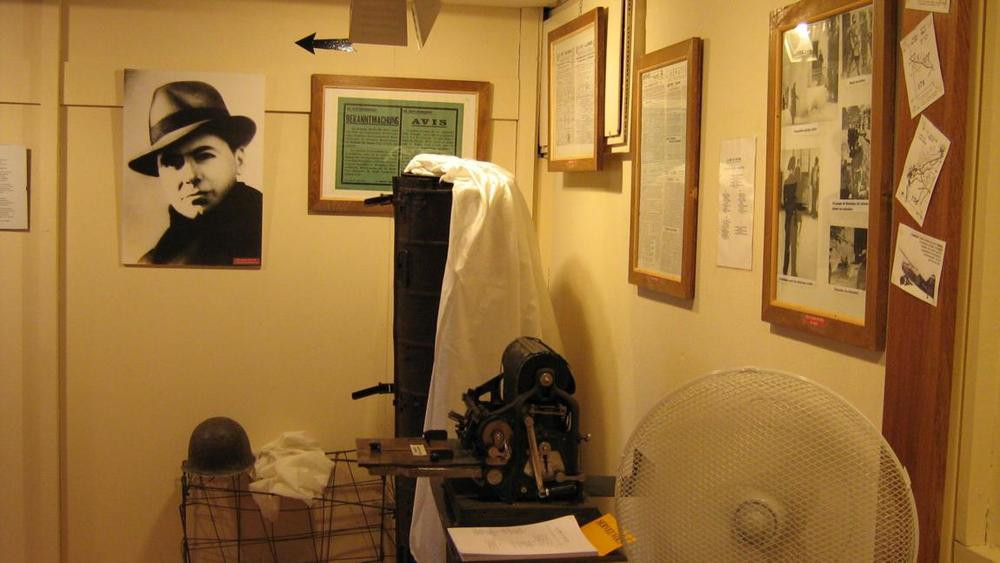
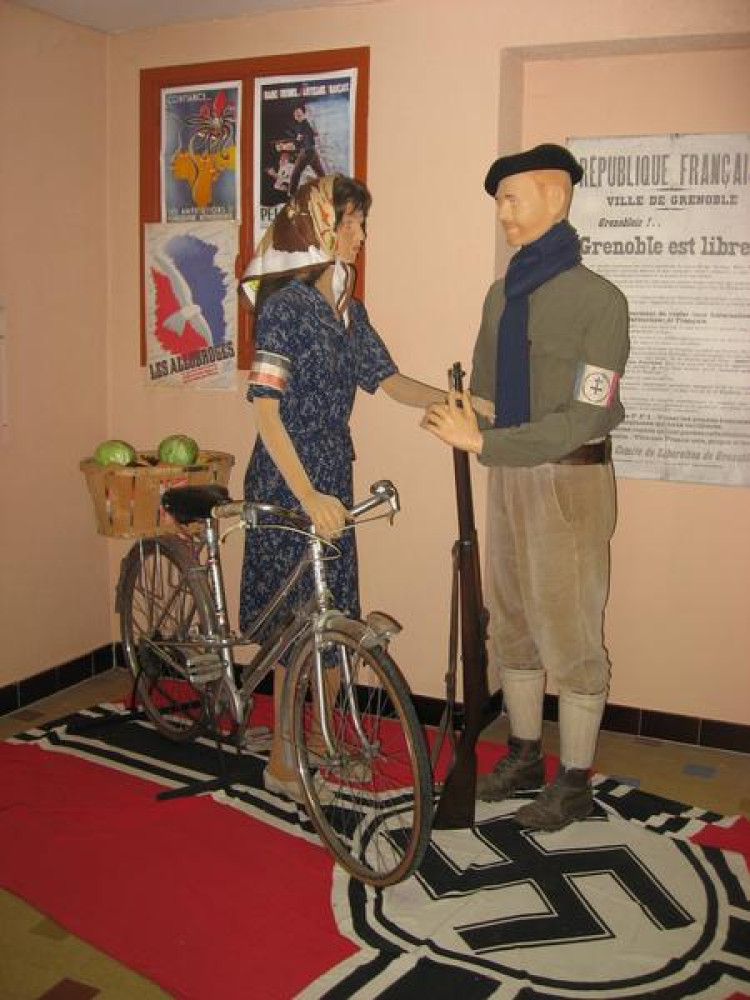
Created by a group of former regional resistance fighters, this museum aims to bequeath to posterity the memory of the fight of the resistance fighters against Nazism and the Vichy regime.Unpublished photographs and documents relating to the Resistance in Pont de Beauvoisin and the surrounding area are presented.
Guided tour by former members of the Resistance or friends of the Resistance (ANACR) on request.
Reading and documentation room.


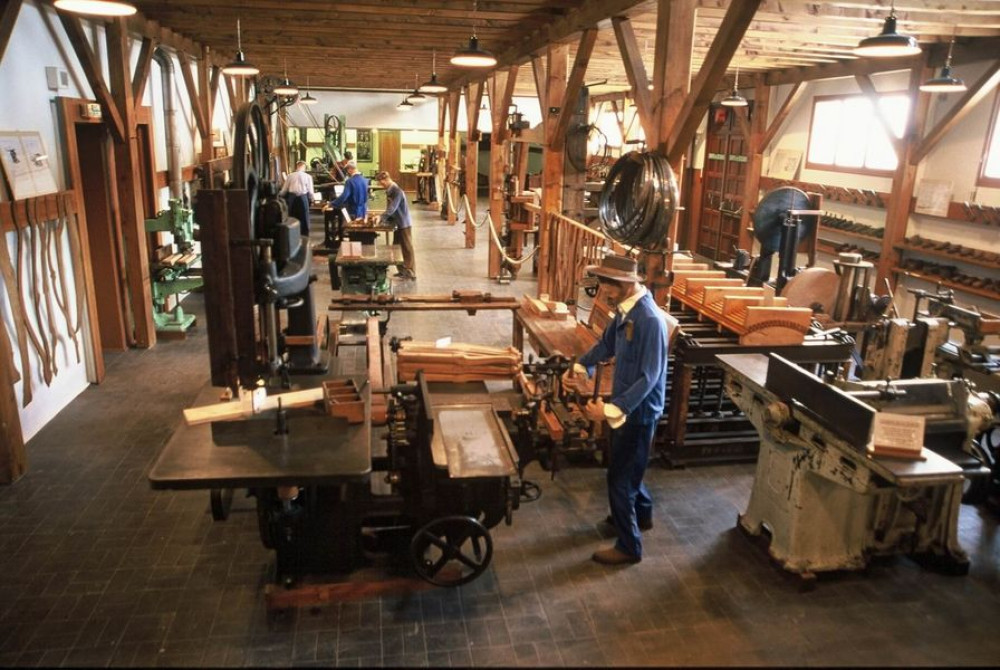
Pont-de-Beauvoisin, city of wood furniture since François the 1st, shelters a museum of woodworking machinery. From trees to furnitures, experiment an old fashioned cabinetmaker workshop.Relive the adventure of a cabinetmaking workshop of yesteryear through a sound journey.
Unique in France, this museum recreates the atmosphere of a workshop from the first half of the 20th century. It testifies the complexity of the work of the craftsmen who made the reputation of Pont de Beauvoisin, city of wood furnitures since François 1er.
Individual and free visits. Group visits with guide by reservation.
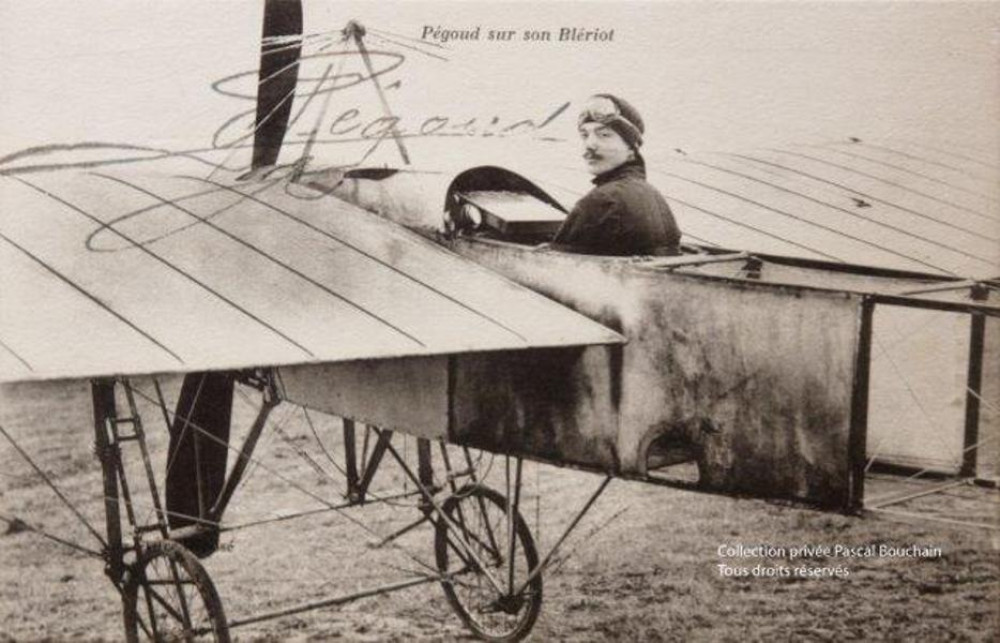
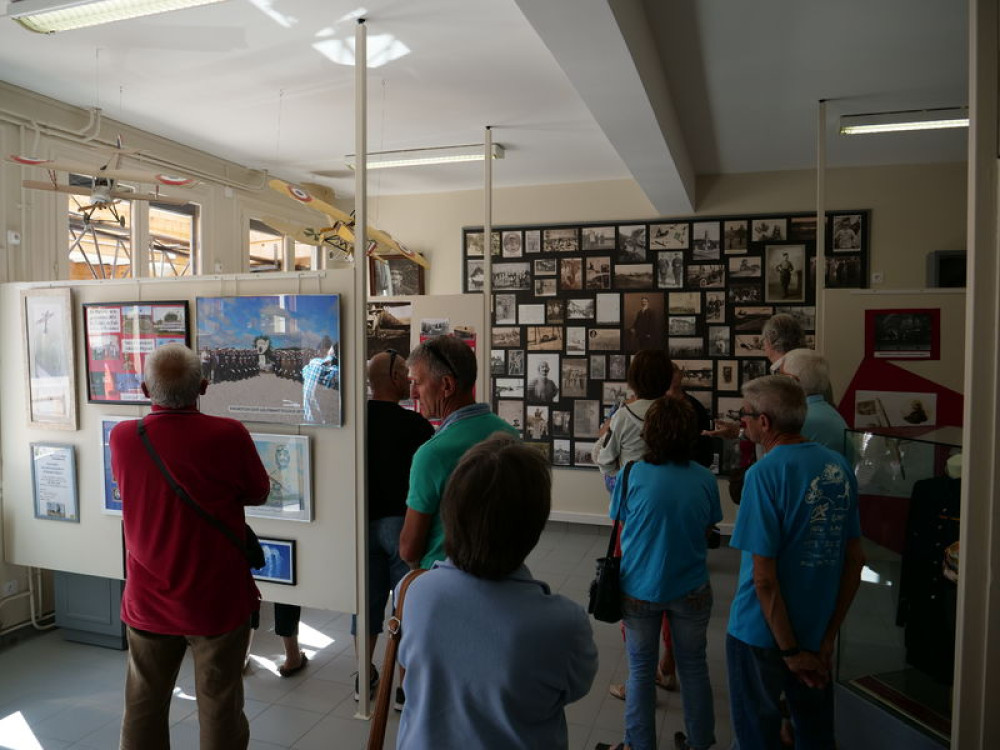
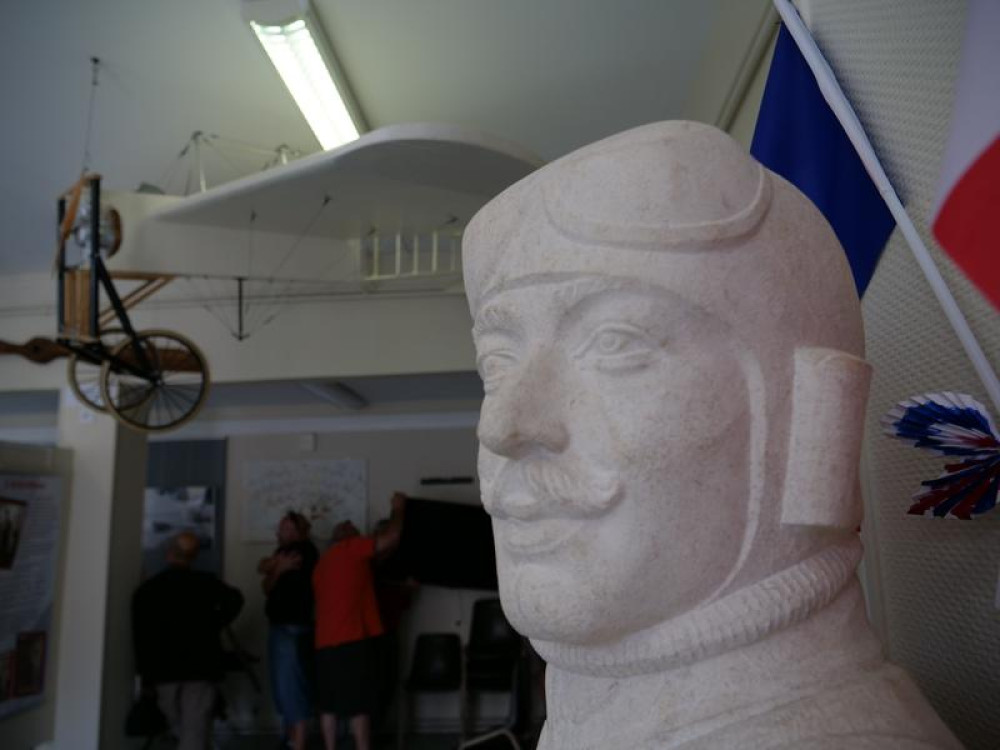
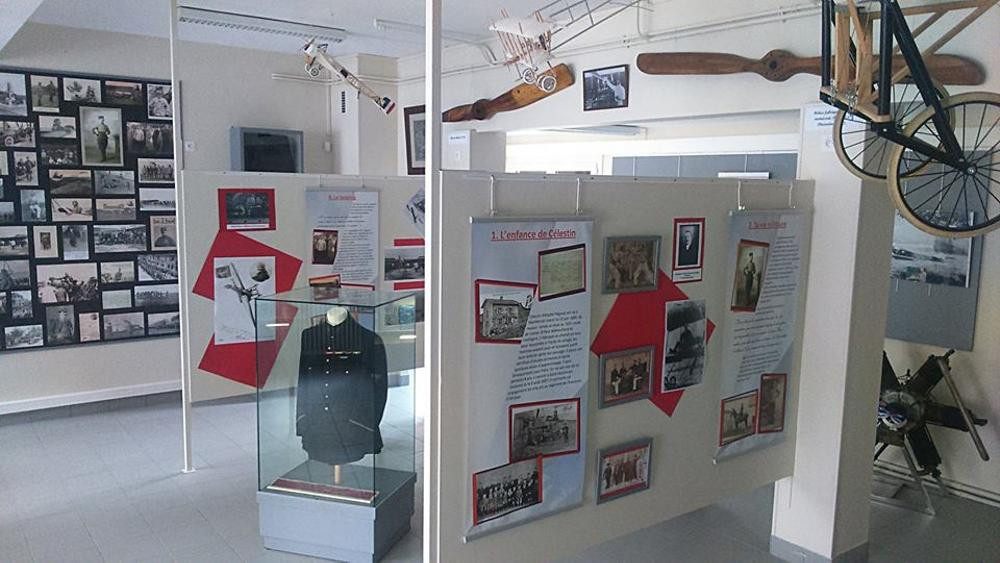
A museum entirely dedicated to the exploits of the aviator Adolphe Pégoud, pioneer of aerial acrobatics who performed the first parachute jump and the first looping in 1913. First Ace of the 14-18 war.Presentation of his childhood, his military life and his hour of glory... Until his tragic death for France on August 31, 1915, at Petit-Croix in the Territoire de Belfort. Through videos, written documents, photos, clothing and numerous objects dedicated to aviation, the museum retraces this epic tale.
Period photos, spare parts of the last plane are gathered. More than the visit, the comments on his origins, his life, will make you discover what he represented for aviation.
You will be welcomed by the members of the Pégoud committee who will tell you about the exceptional adventures of an aviator who left his mark on aviation.
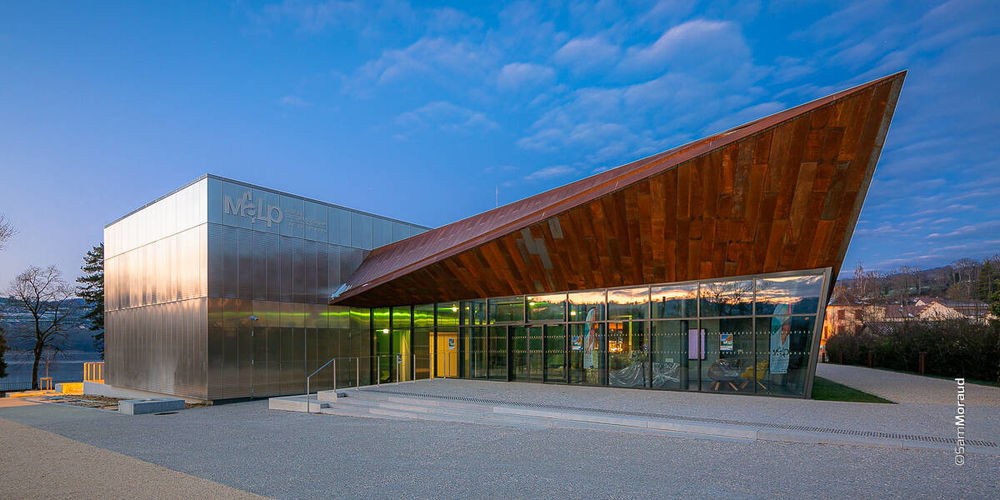
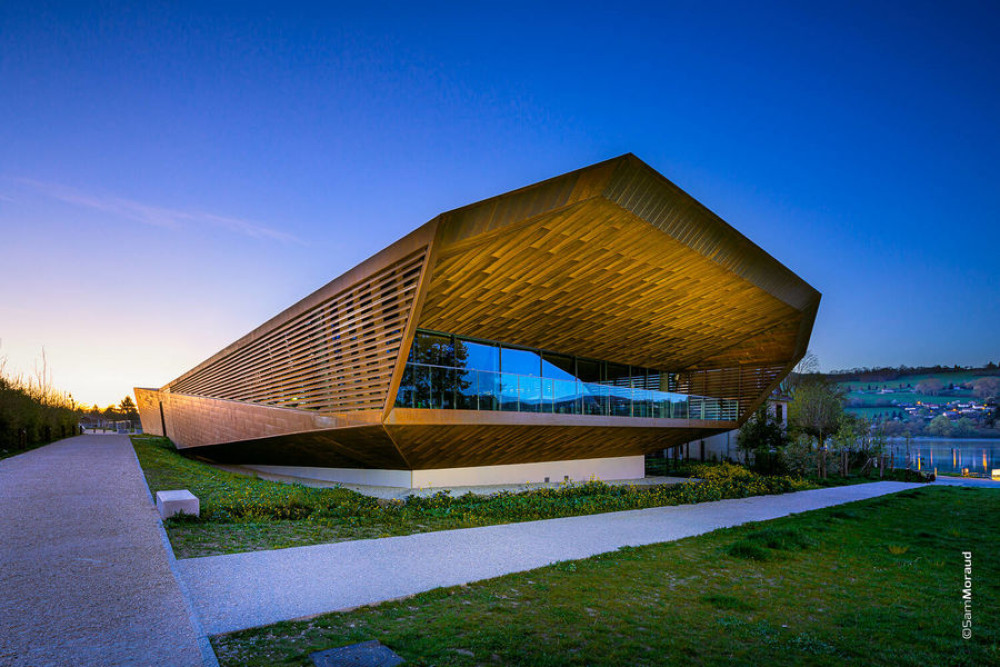
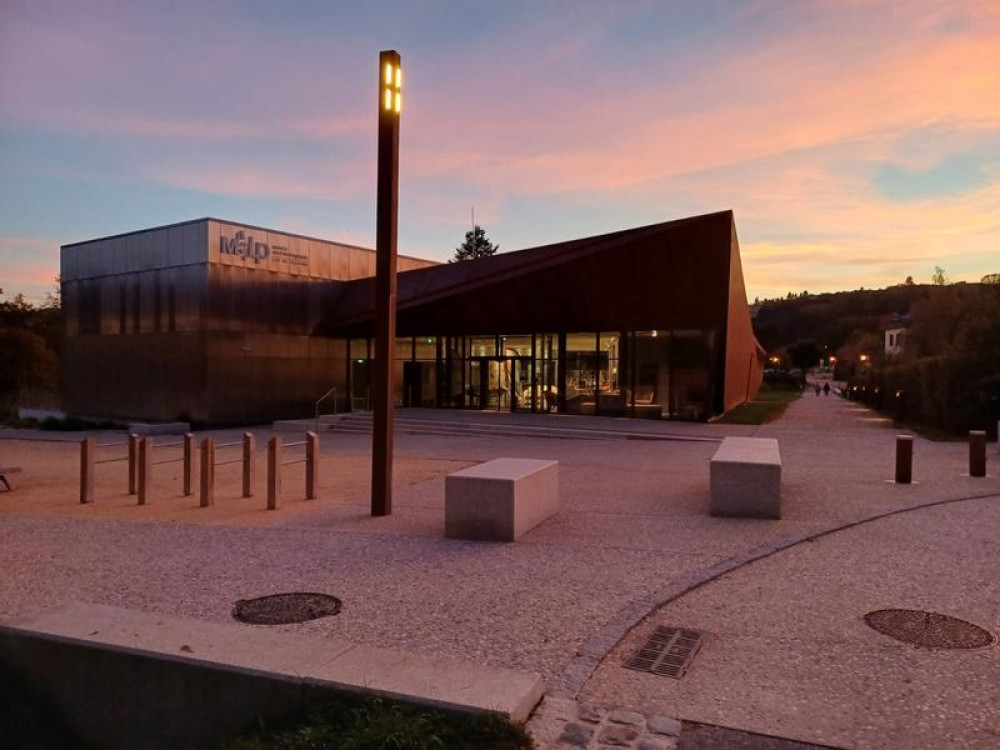
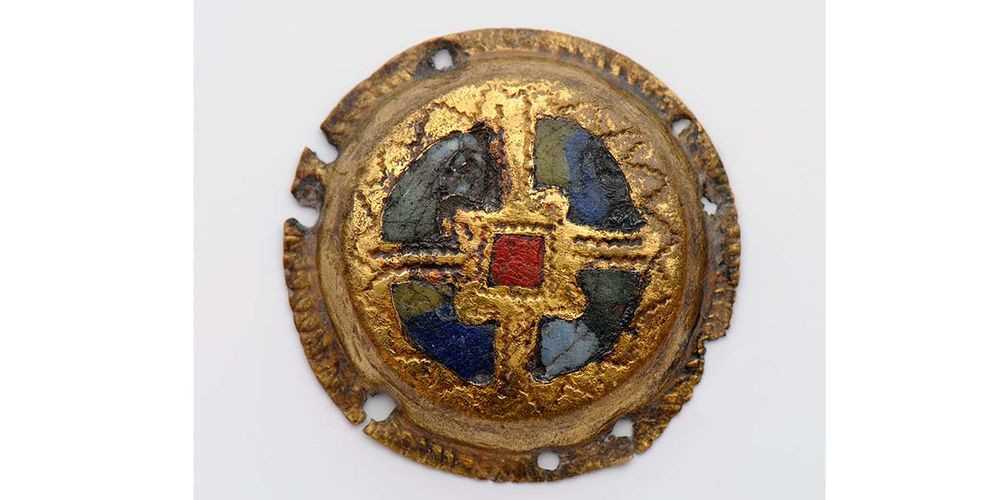
Welcome to MALP for a captivating time travel to the Neolithic and the year 1000. Through the exceptional remains discovered under the waters of the lake, meet the men who lived there so long ago.Thanks to its remains and many legends, Lake Paladru has always been able to feed the imagination of its visitors. It was only during the 19th century, with the discoveries of Ernest Chantre, and the 20th century, with the excavations of Hyppolite Müller, that the history of the first archaeological sites, which emerged from the waters of the lake, was revealed.
Over the years, the work of archaeologists escalated and became more specific. It was in 1972 that the archaeological sites of Lake Paladru received both national and international recognition. The lake soon became a site of experimentation for innovative excavation techniques, as well as a unique site in France, for the rarity of its findings.
The museum is a history of encounters, sharing, discoveries, secrets and ideas which intertwine in and around the lake. It is also a history of a village and its inhabitants, all of whom, in one way or another, have encountered the lake and its history.


 Isère Outdoor - Trace - MTB trail n°4 - The heights of La Batie-Divisin