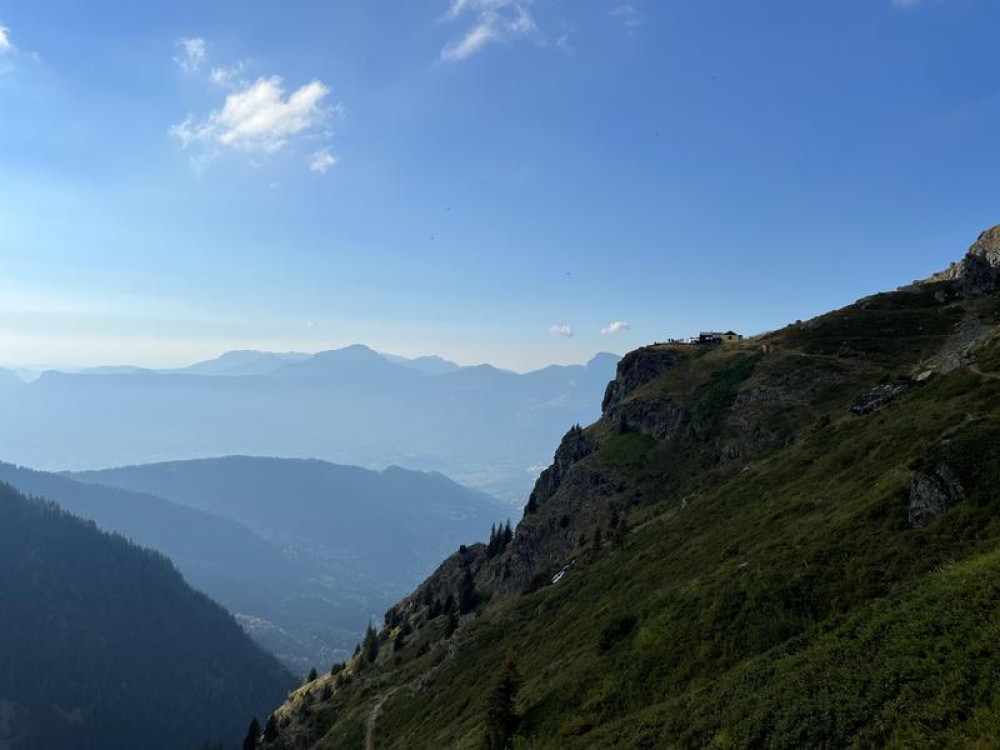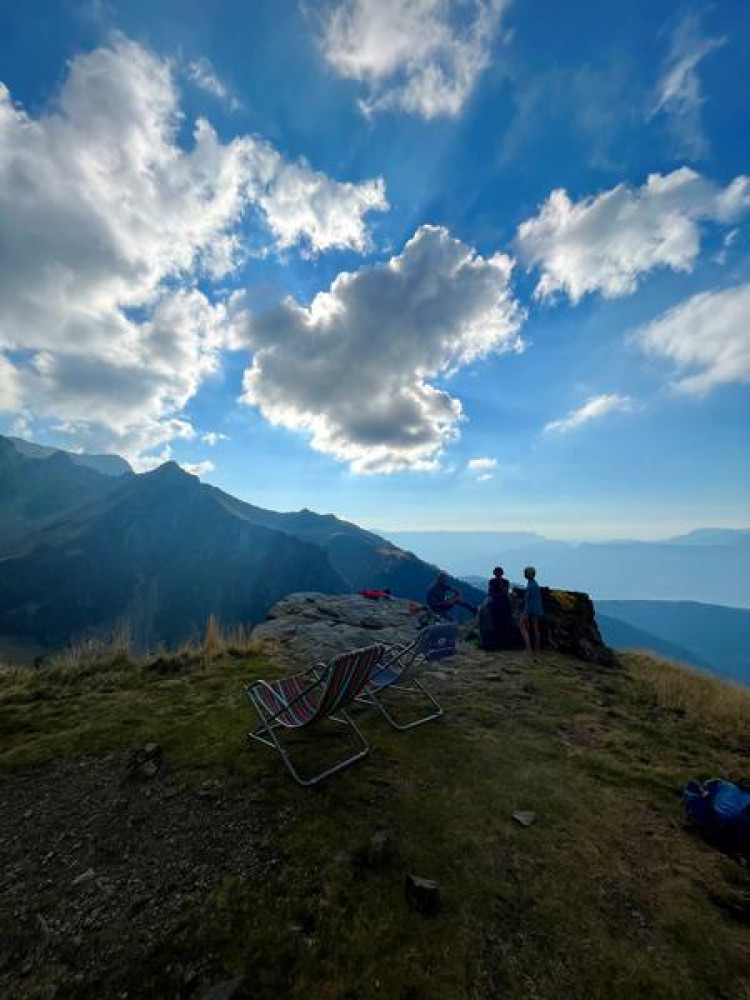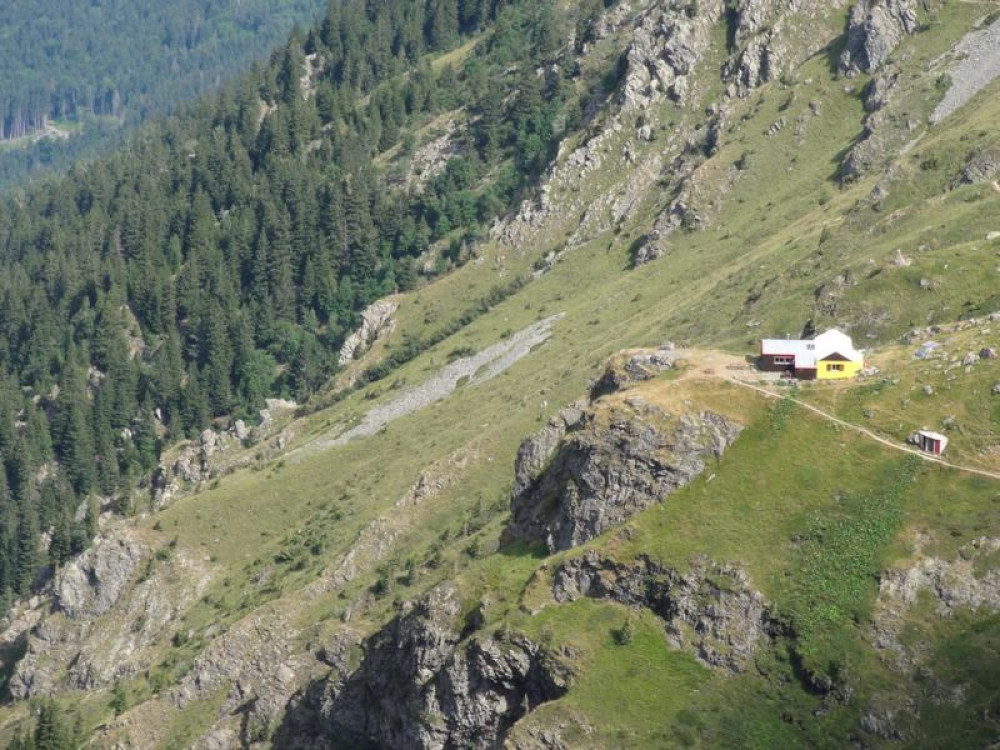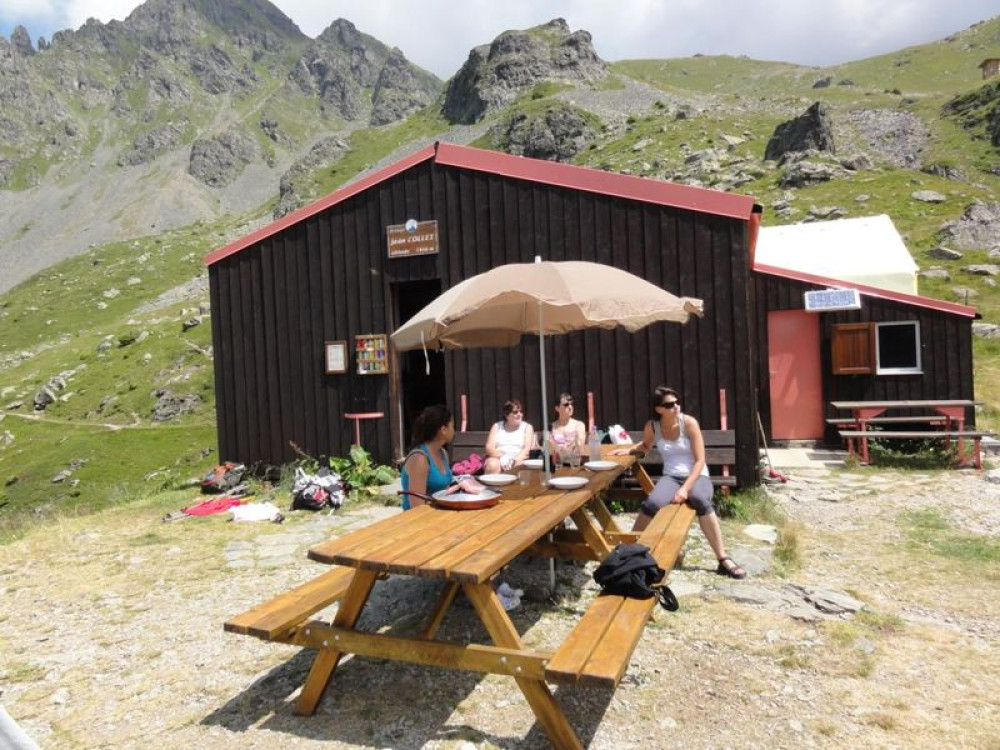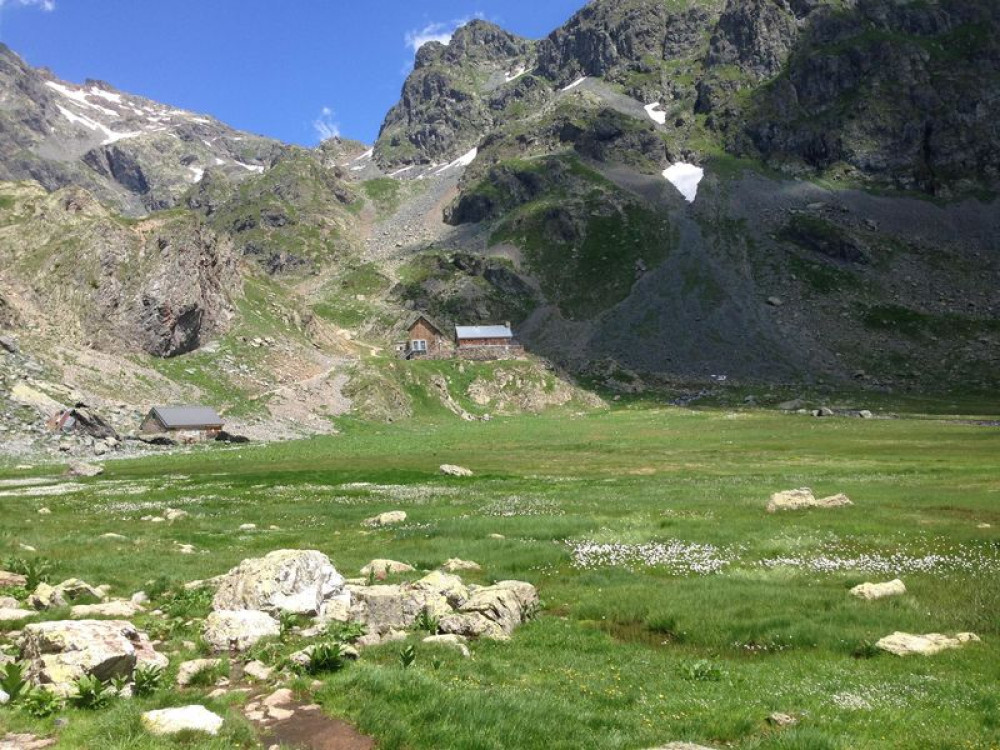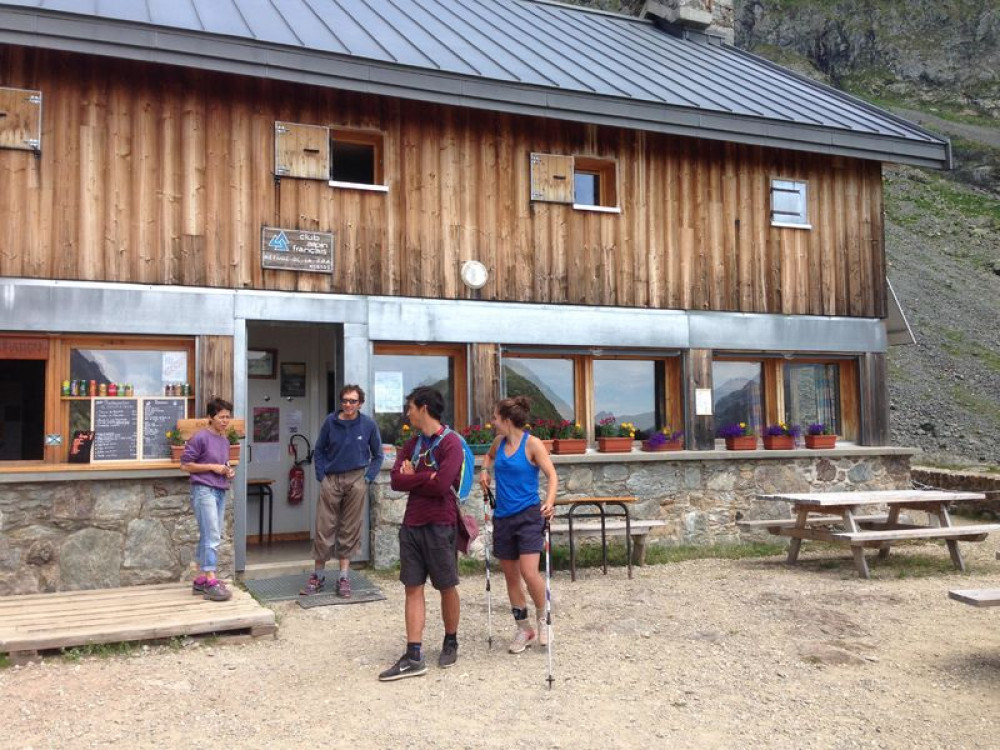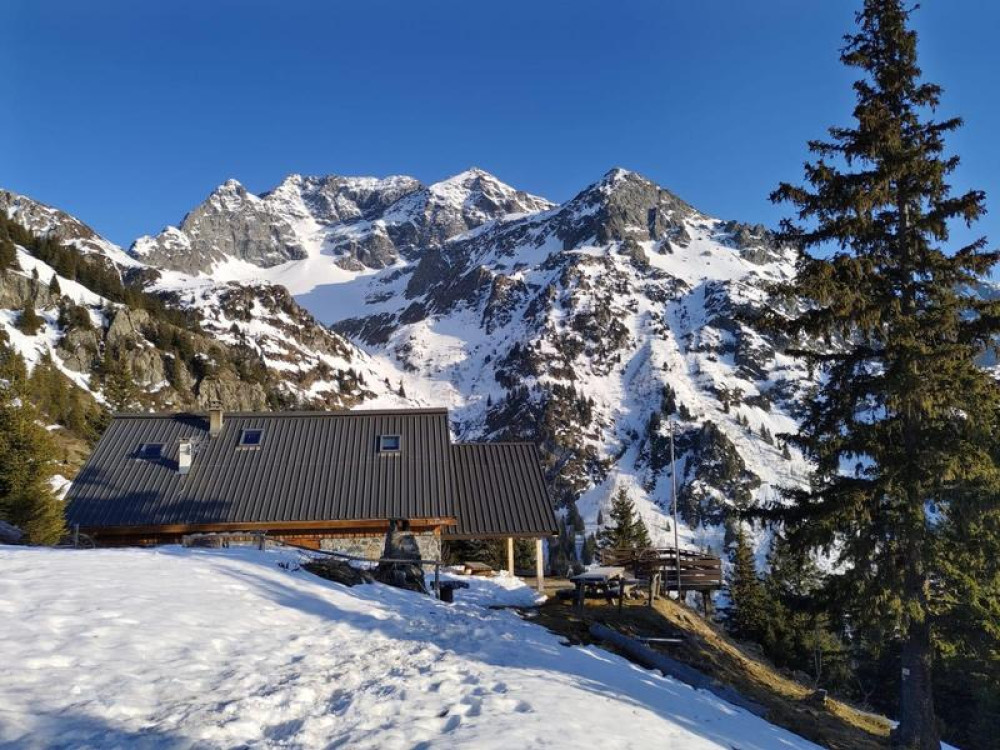
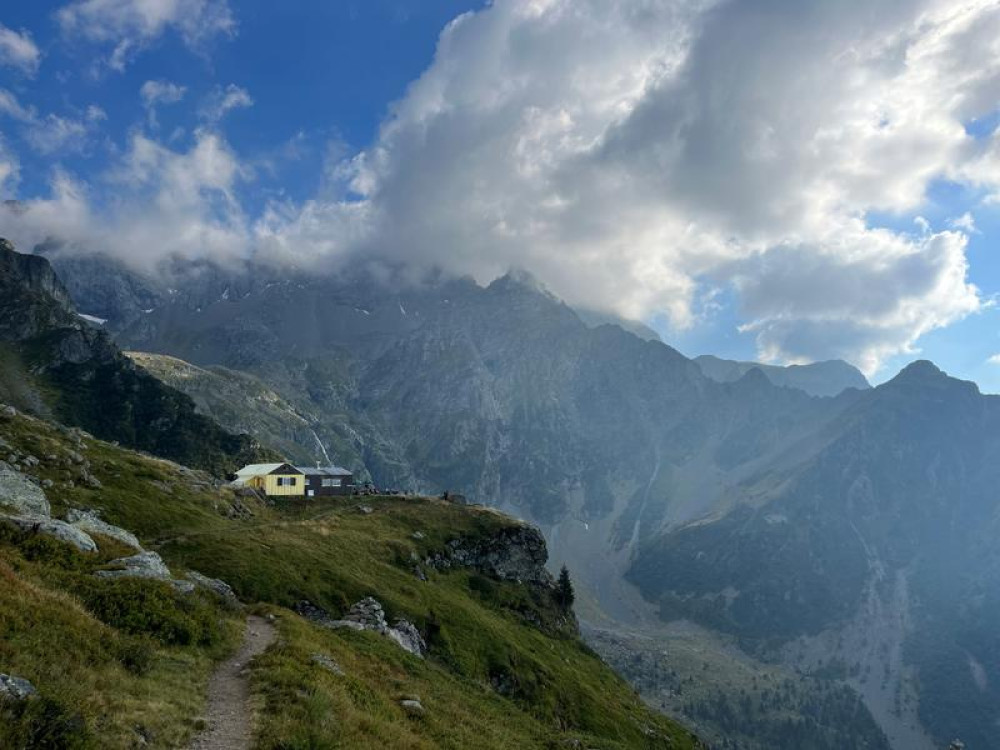
Located on a vantage point, the Jean Collet refuge is a quiet, cosy spot in the middle of nature. The hikes around the refuge, which are of varying degrees of difficulty, will take you to the lakes and passes of the Belledonne.Getting there :
High gain :
Walking time :
Ease of access :
IGN map :


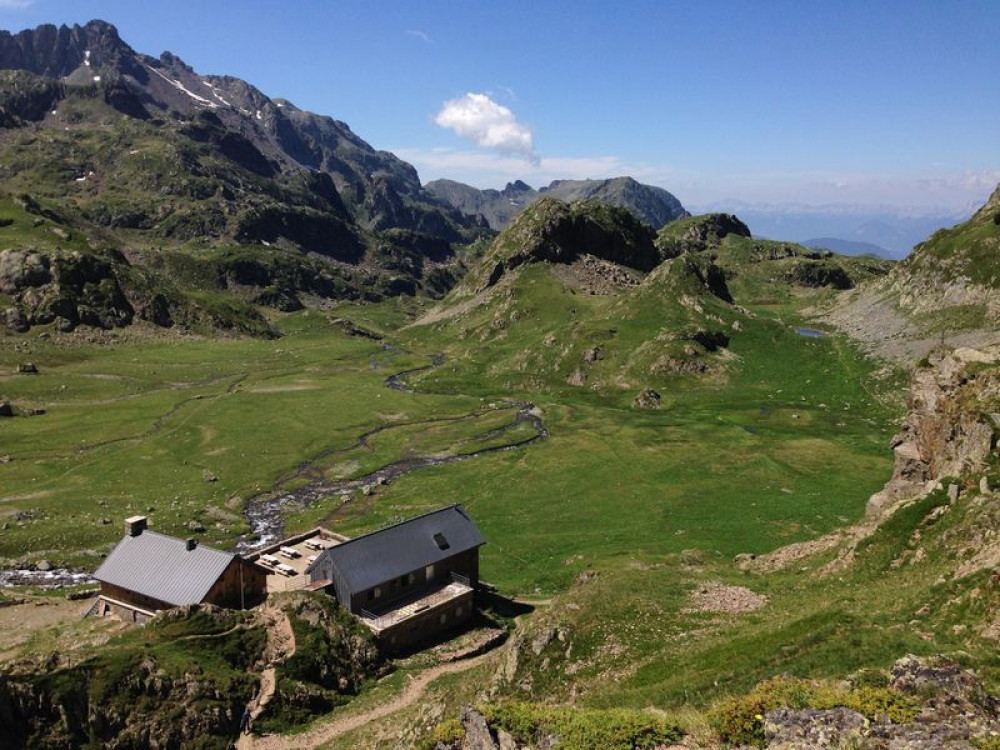
At 2100 meters, the refuge of La Pra, close to the many clear lakes of the Massif Belledonne, will delight anglers, hikers and families. La Pra is also a wonderful pasture where you can encounter marmots, wild sheep and ibex.The refuge is a stopover on the GR 738 from Chamrousse.
The surrounding peaks are often accessible in summer, either on footpaths or "off-track" for those who prefer less frequented areas (Vaudaine, Doménon, Croix de Belledonne sectors), as soon as the snow has disappeared.
You are entering a Natura 2000 protected area where swimming in rivers and lakes is strictly prohibited.
From the Pré Raymond parking lot, take the forest road, then a path to the left (south-east). A few hairpin bends bring you to an almost level path leading out of the forest. Cross the stream before reaching the dam and Lac du Crozet. Follow the path along the lake and up the Vallon de Mercier to the Col de la Pra. At the col, turn right (south) and descend to the refuge, 5 minutes from the col de la Pra.
From Chamrousse, from the parking lot at the foot of the Grande Aiguille, follow the GR de Pays, then pass between the lakes (GR 738). Climb slightly before descending into the combe de l'Echaillon. Turn left onto the path leading to the Oursière waterfalls, then right onto the path leading to Lac David. Climb up to Lac Léama, then on to Lac Longet and Lac Claret. Climb up to the refuge.
From the Recoin de Chamrousse, take the GR 738 to Lac Robert. Then follow the same route as the Croix de Chamrousse.
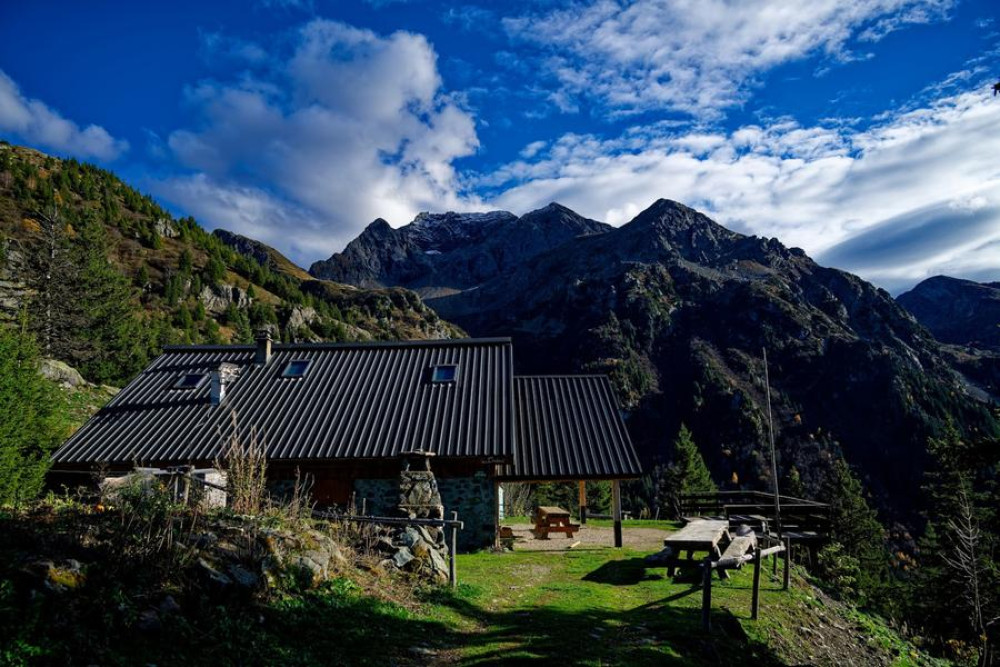
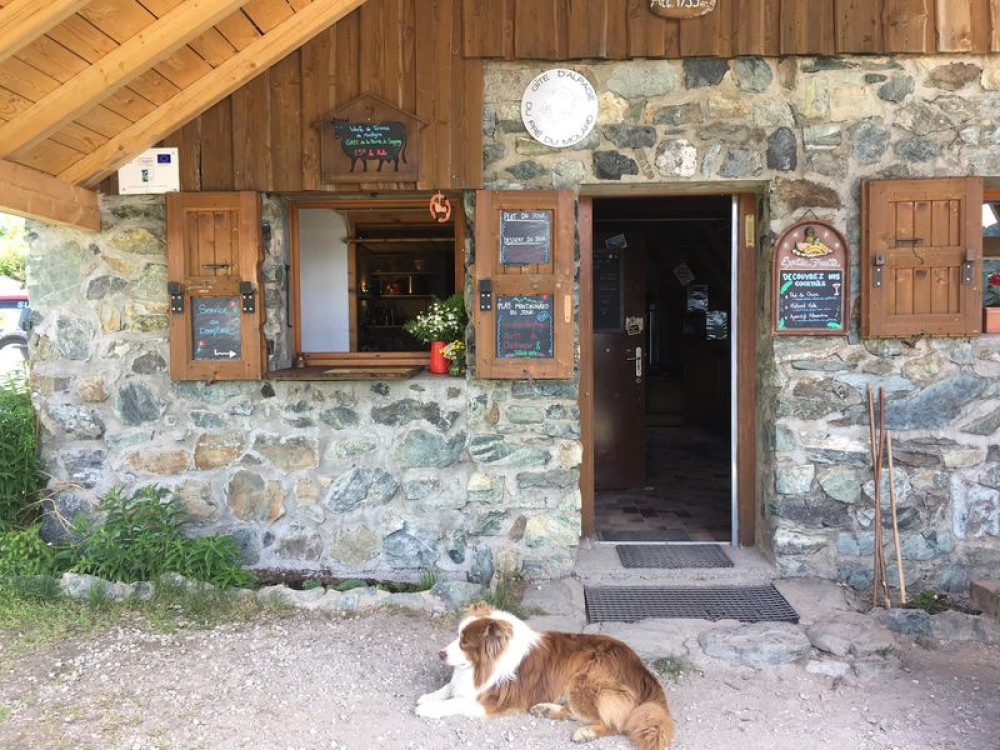
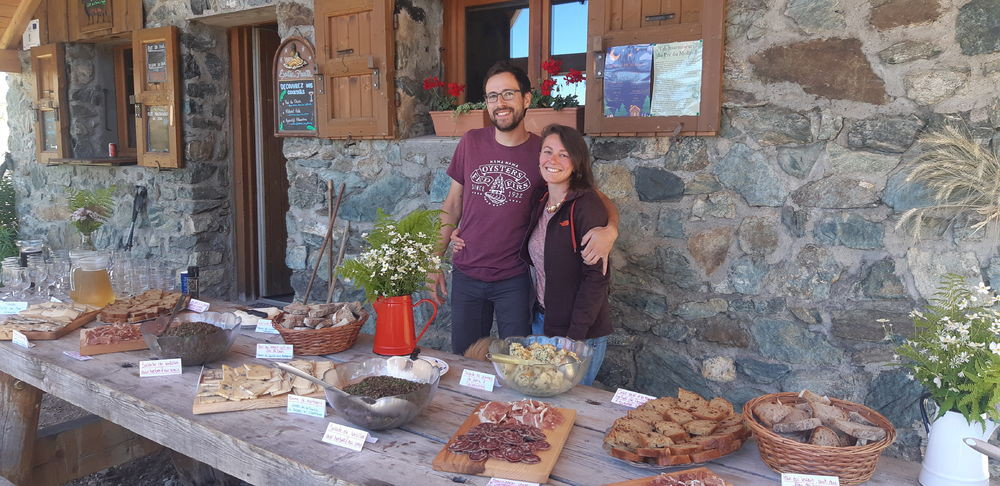
Located high above La Combe-de-Lancey at an altitude of 1,735 metres, Le Pré du Mollard refuge is one of the most unspoilt and little-visited spots in the Belledonne massif.
 Isère Outdoor - Trace - Hike to Lake Crozet