Grenoble-Alpes Métropole, it's 49 cities and villages to be explored!
Discover the territory in all its variety...


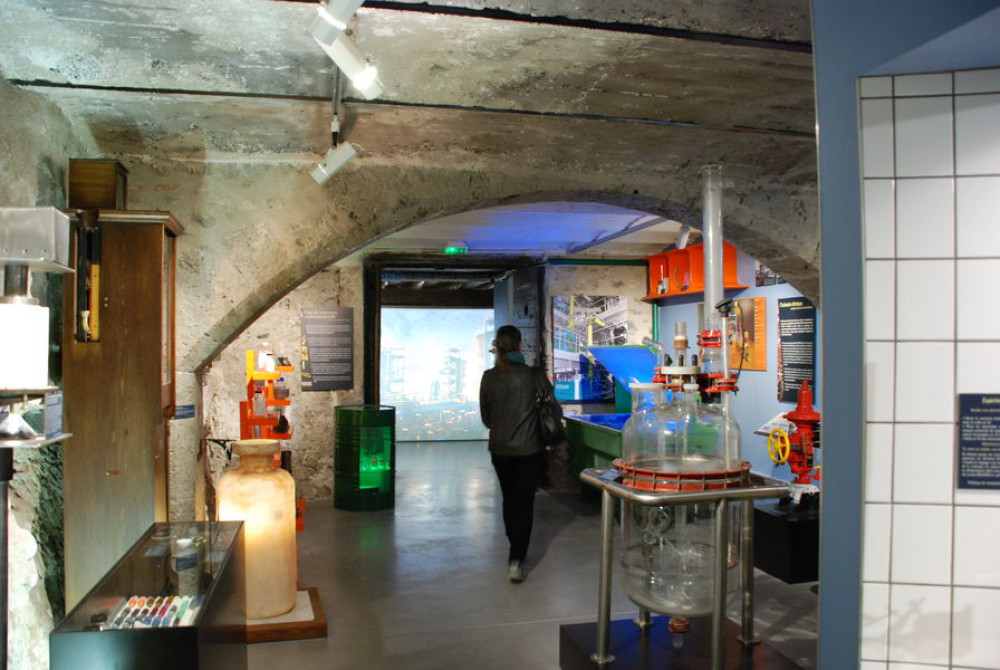
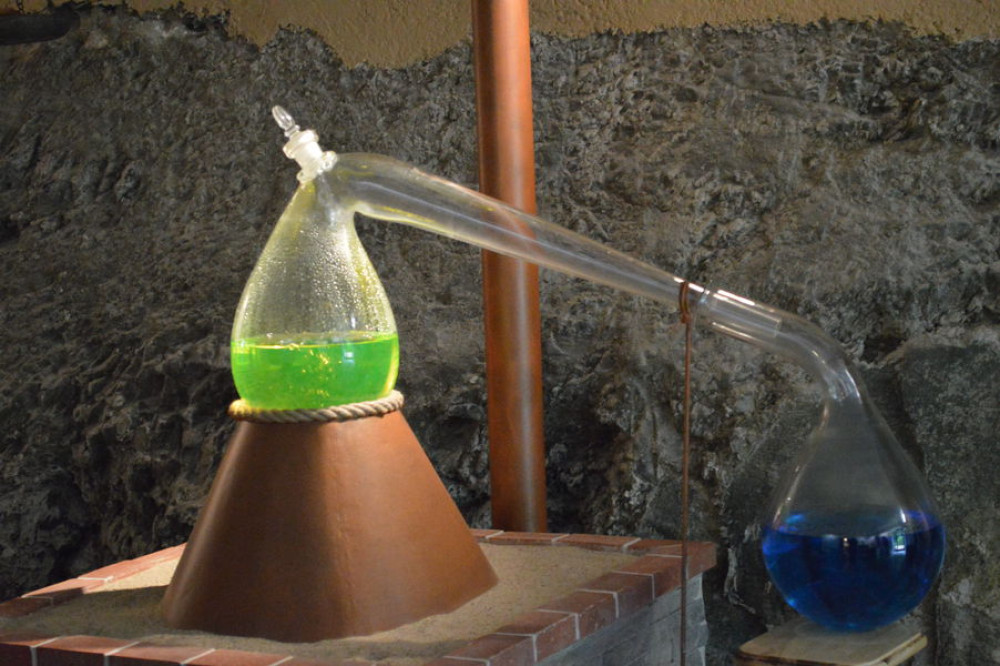
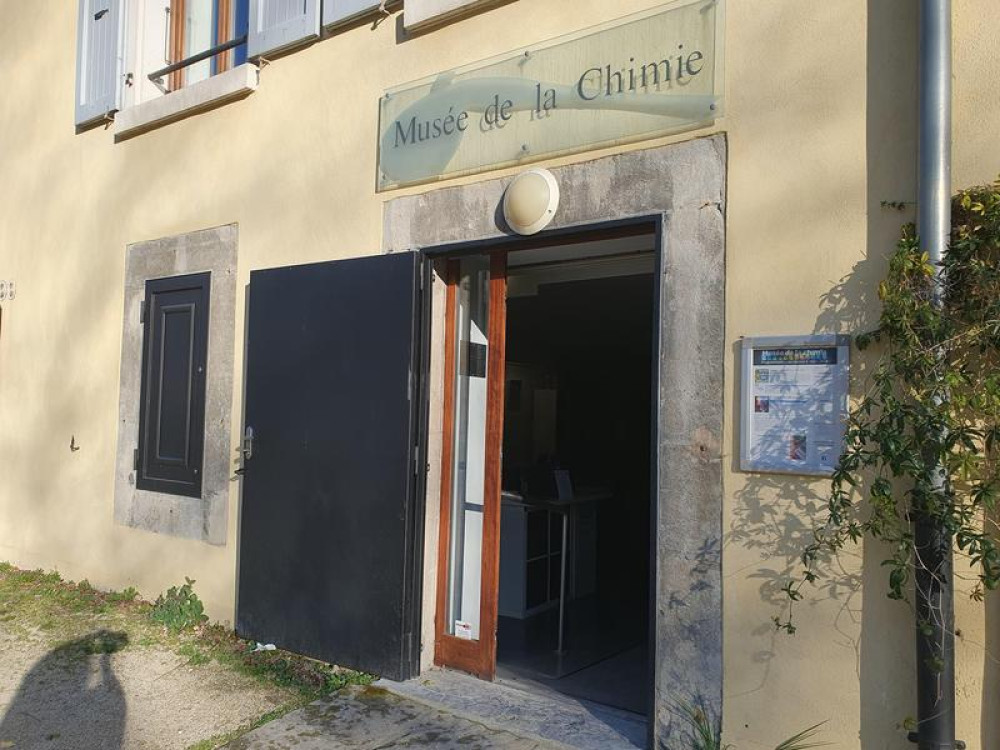
The museum traces the history, techniques and applications of the chemical industry in southern Grenoble from 1915 to the present day.
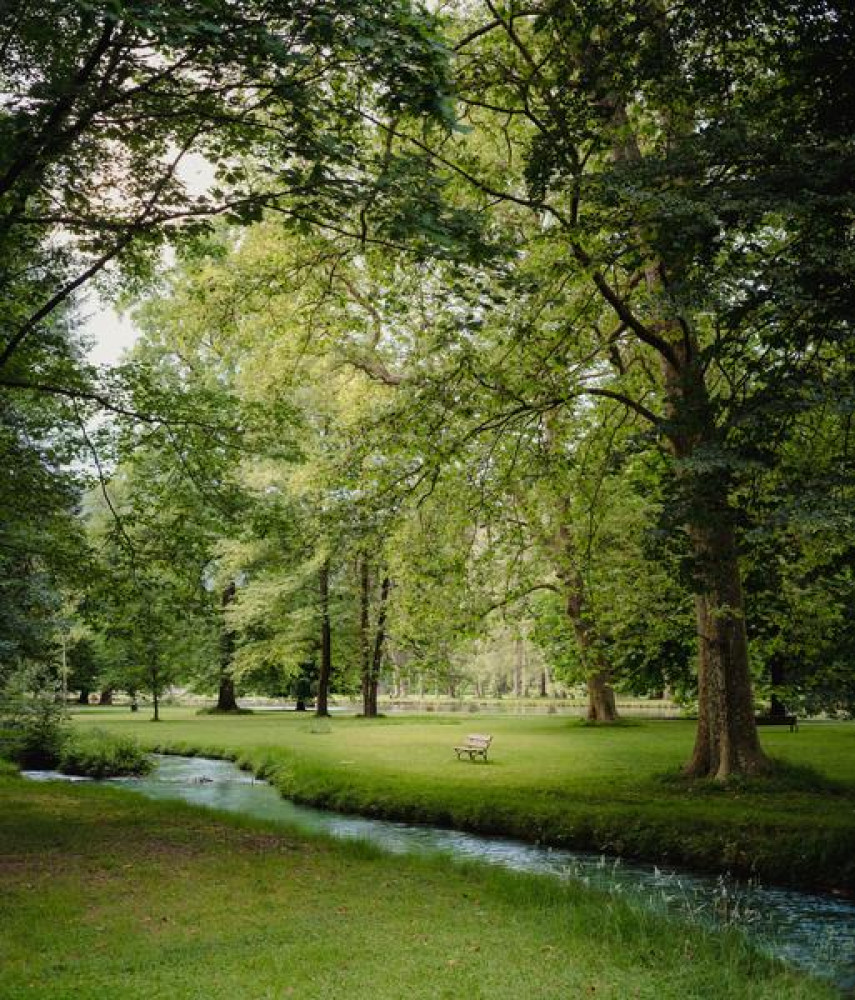
Self-guided tour, guided tour or audioguide via the Tellnoo app.Located in Jarrie, on the first floor of the town hall, in the heart of the Clos Jouvin municipal park, the museum is set in the preserved environment of the old, cool, vaulted cellars of the manor house. The tour presents the history of chemistry since antiquity, and traces the history, techniques and applications of the chemical industry in southern Grenoble, from 1915 to the present day. The chemistry of the 21st century, omnipresent in our daily lives and essential to meeting the challenges of sustainable development, is more innovative and responsible than ever.
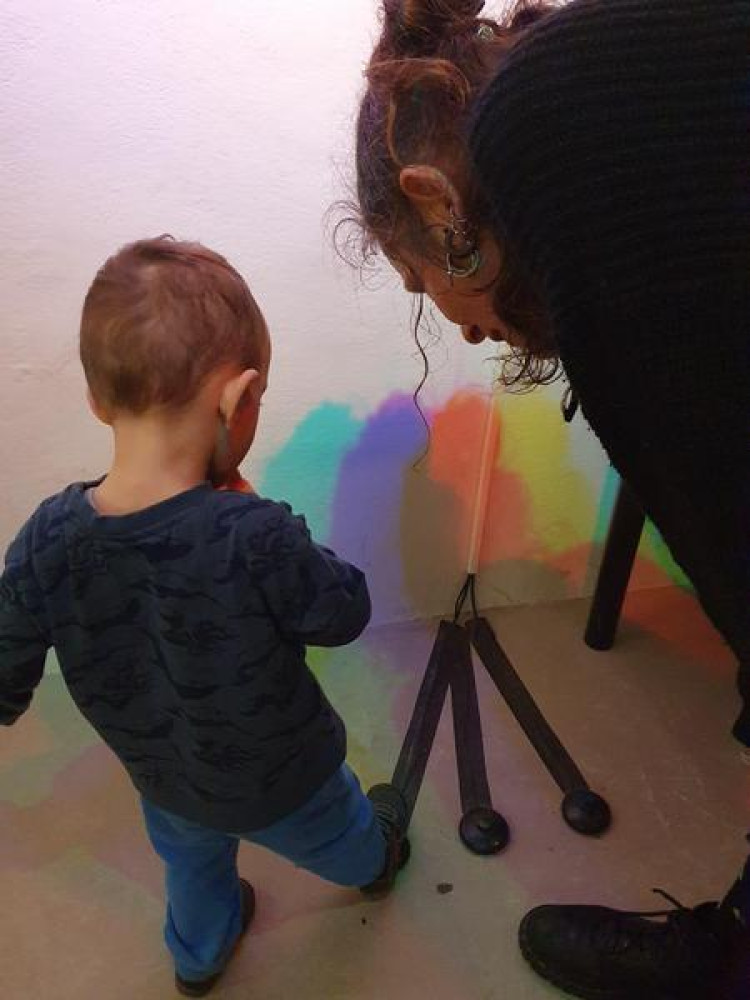
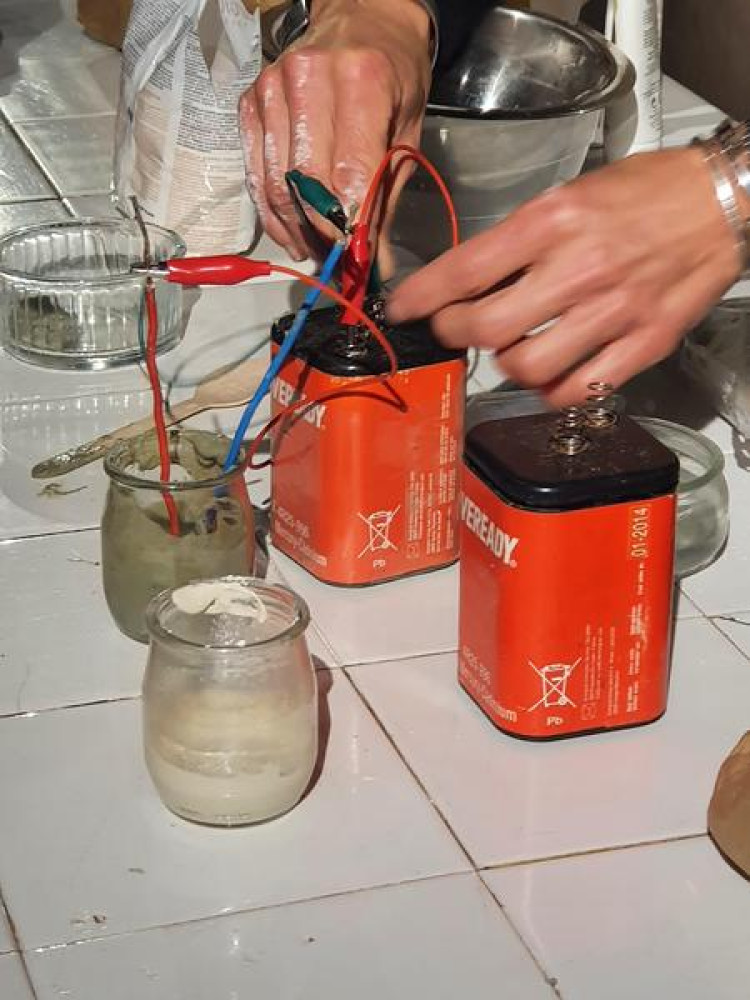
The tour route, completely renovated in 2014, is punctuated by new open-access workbenches: build a Volta cell, perform electrolysis or operate a fuel cell!
A video consultation area and a library are available to the public. A new mediation and exhibition room means you can visit the Chemistry Museum as and when it suits you.
Additional equipment: audioguide with Tellnoo application (free download from your smartphone).
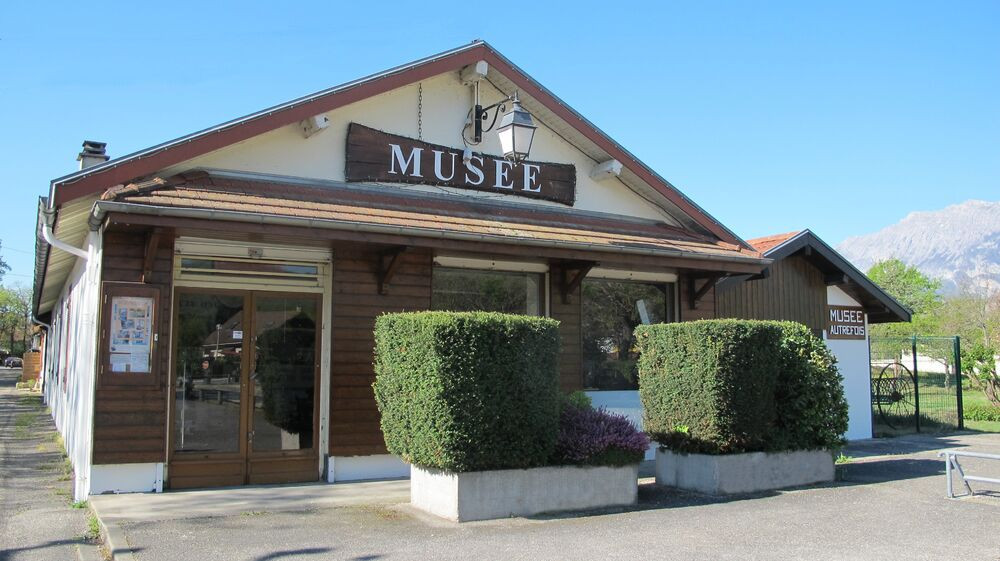
This fascinating museum, abundantly supplied by the inhabitants' gifts, is a rich testimony of the story of Champ sur Drac and the Navarre paper mill. A real industrial saga which cannot be dissociated from the village's story.The museum is situated in the heart of the Navarre working city, in the former retailer which had been built so as to answer to the workers' needs.
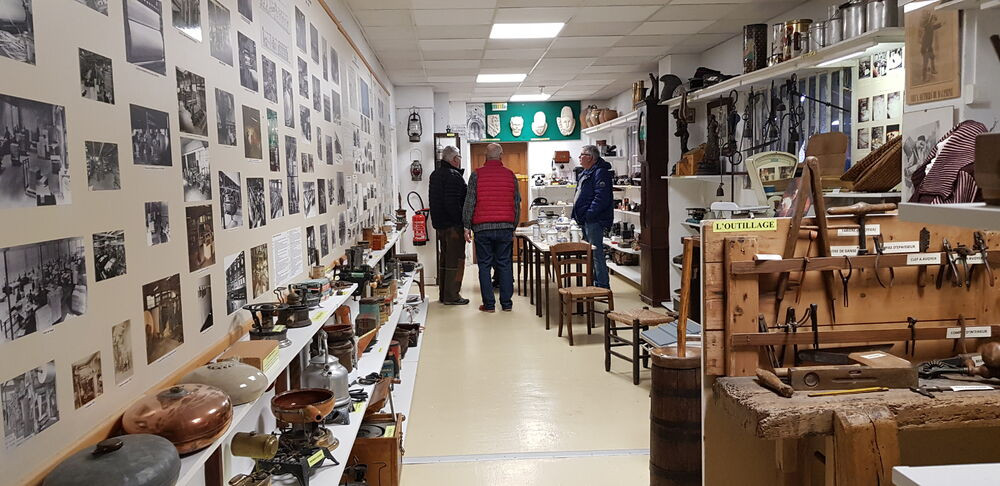
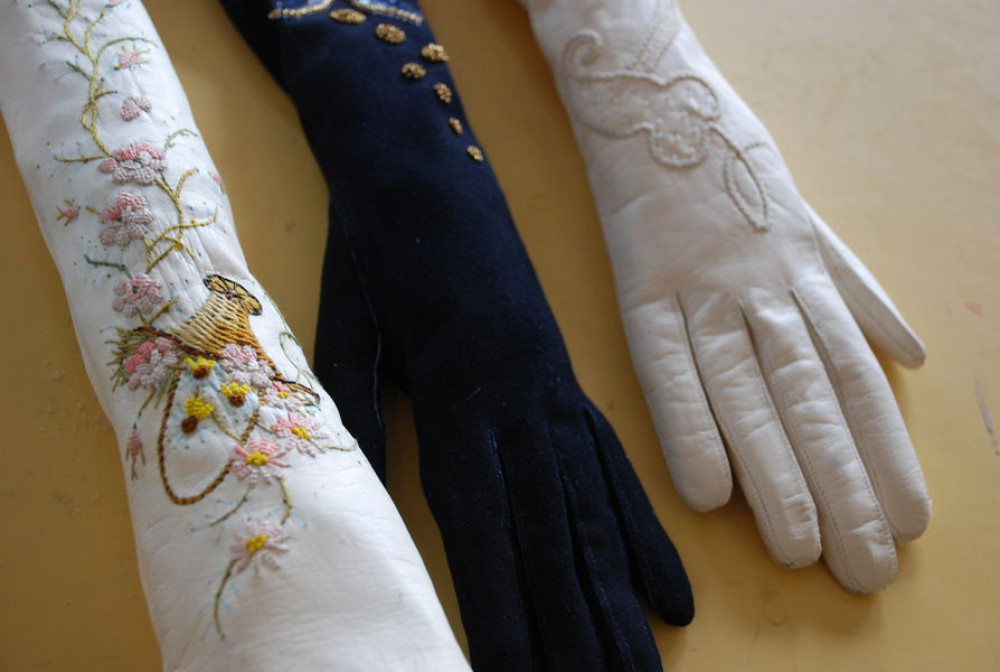
Among the many richness of the museum, one can see a cinema projector which dates back to 1914, tools which used to belong to several different building trades such as the leather trade, cobbling, gloves making, including the “main de fer” invented by Xavier Jouvin, as well as everyday life objects, craftsmanship, schools and the former associative life.
This fascinating museum, abundantly supplied by the inhabitants' gifts, is a rich testimony of the story of Champ sur Drac and the Navarre paper mill. A real industrial saga which cannot be dissociated from the village's story.
The museum is situated in the heart of the Navarre working city, in the former retailer which had been built so as to answer to the workers' needs.
Among the many richness of the museum, one can see a cinema projector which dates back to 1914, tools which used to belong to several different building trades such as the leather trade, cobbling, gloves making, including the “main de fer” invented by Xavier Jouvin, as well as everyday life objects, craftsmanship, schools and the former associative life .
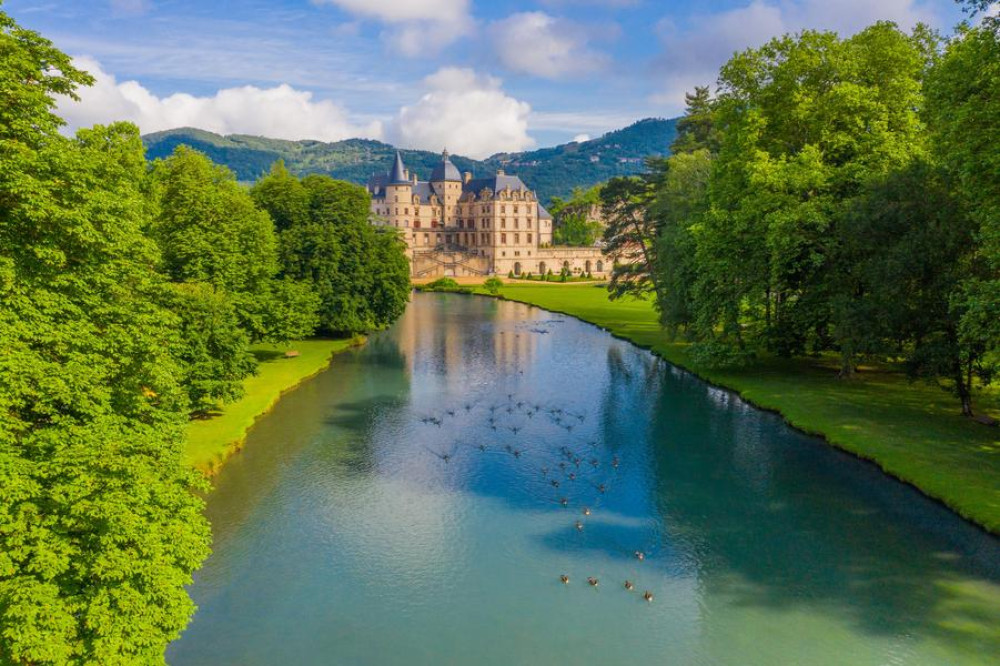
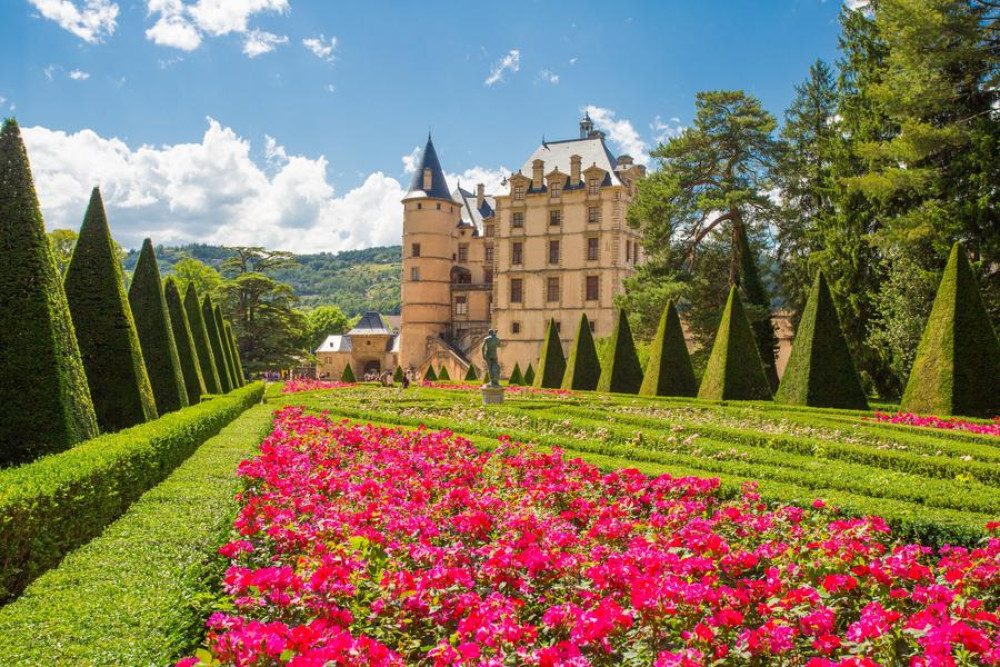
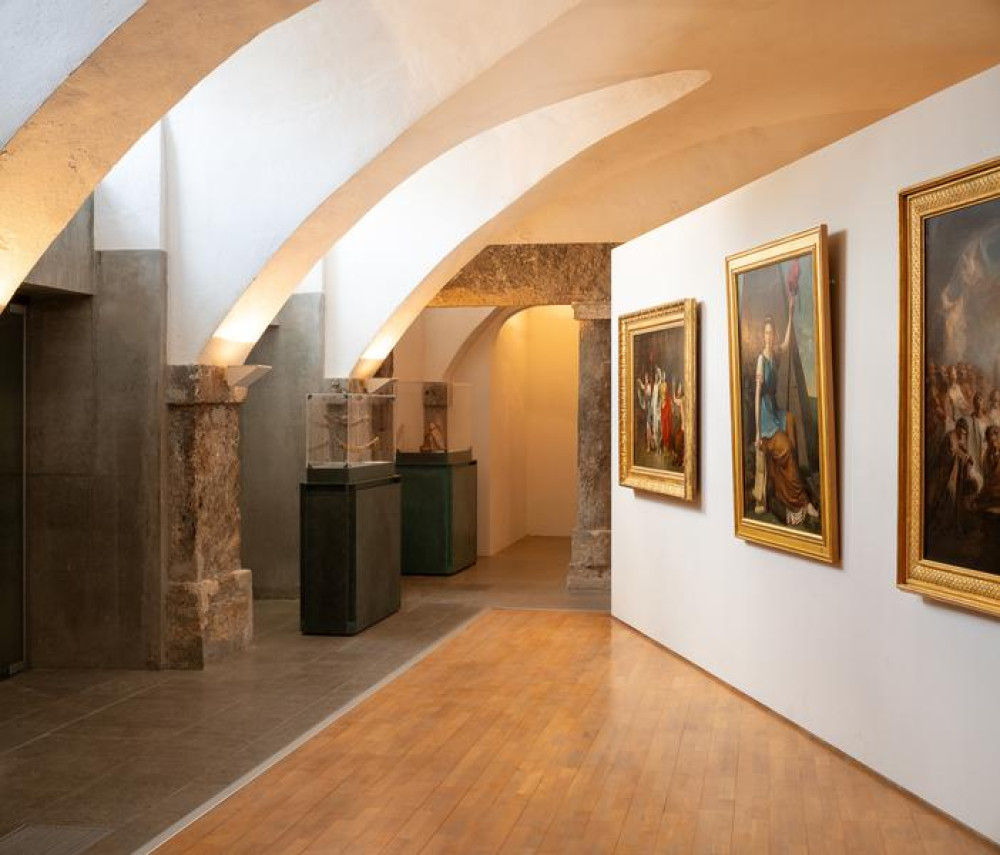
The castle shelters the museum of the French Revolution since 1984. The collections gather pieces of art such as paintings, drawings, sculptures and engravings.On July 21st 1788, the castle of Vizille entered History. The Etats Généraux of the Dauphiné meeting which had been forbade by Grenoble authorities had been thus sheltered by Claude Perrier. Seduced by the liberal ideas, his castle sheltered this meeting. 187 members of the Tiers Etats, 49 clergymen and 159 noblemen deliberated during 16 hours. In demanding the meeting of the Etats généraux this event is considered to have triggered the Revolution. The Salle du jeu de paume which was the witness of this event have burnt during the fire of 1865. Its implantation is now symbolised by a terrace planted with trees at the entrance of the museum.
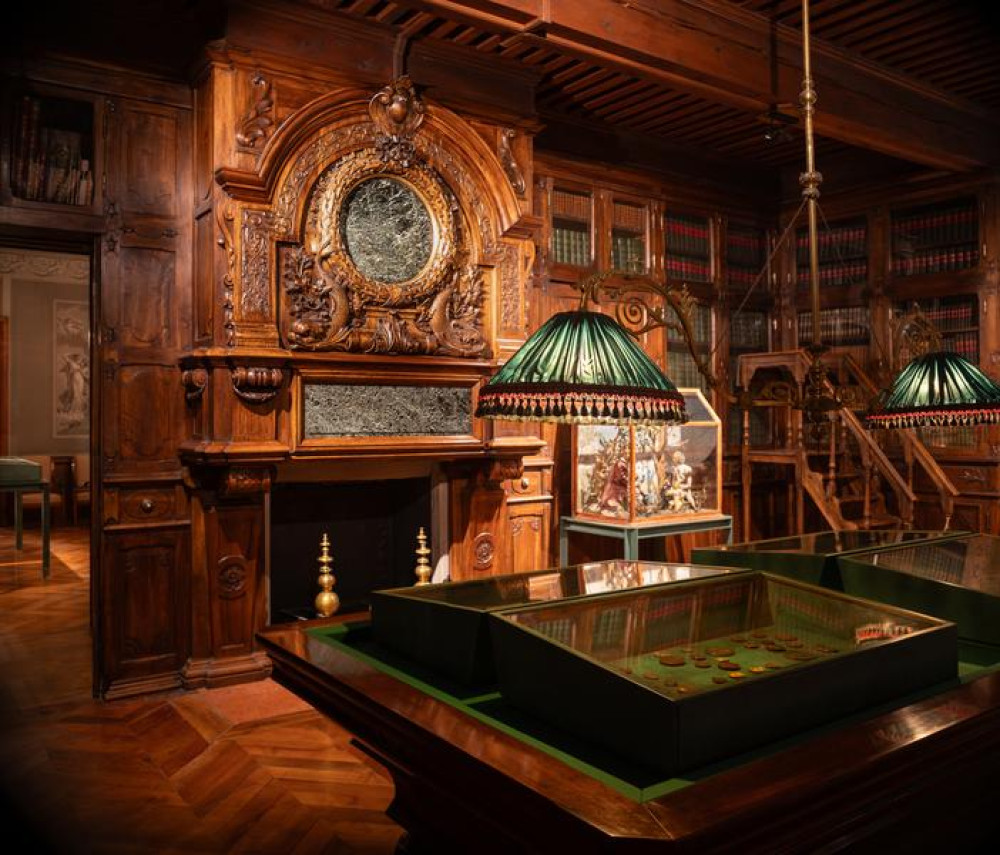
The castle shelters the museum of the French Revolution since 1984. The collections gather pieces of art such as paintings, drawings, sculptures and engravings. One can see figurative piece of art too such as English and French ceramics, tapestries, materials and furniture. But one can also find French and foreign historical pieces such as (stones of the Bastille, swords of the National Guard) dating from the Ancien Régime to the 3rd Republic.
The museum recalls the French Revolution as well as the artistic creation and cultural transformations all around Europe, from the times of the Lumières to Romanticism.
The museum offers to the public an original approach of this period and its myth through evocative pieces which are replaced in their context.
The museum is opened every day except on Tuesdays, from 10 a.m. to 12.30 p.m. And from 1.30 p.m. to 6p.m. from April till October and from 10 a.m to 12.30 p.m and from 1.30 p.m. To 5 p.m from November till March. Closed on public holidays from November till March and on the May 1st . Free entrance and possibility of audio guide .
 Isère Outdoor - Trace - Hike - Le Belvédère de Vizille