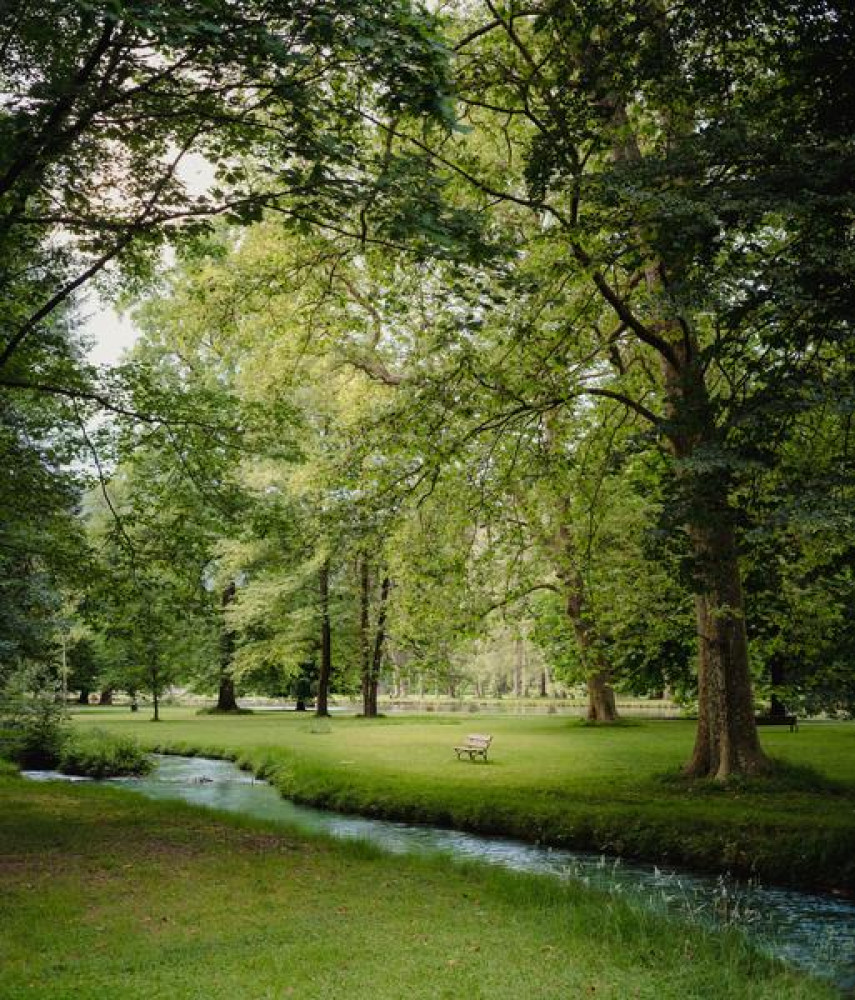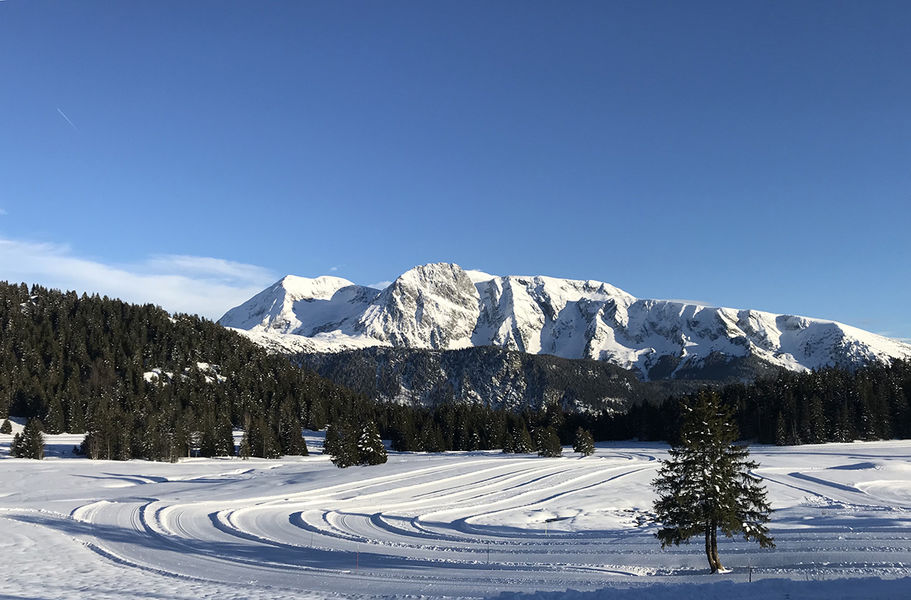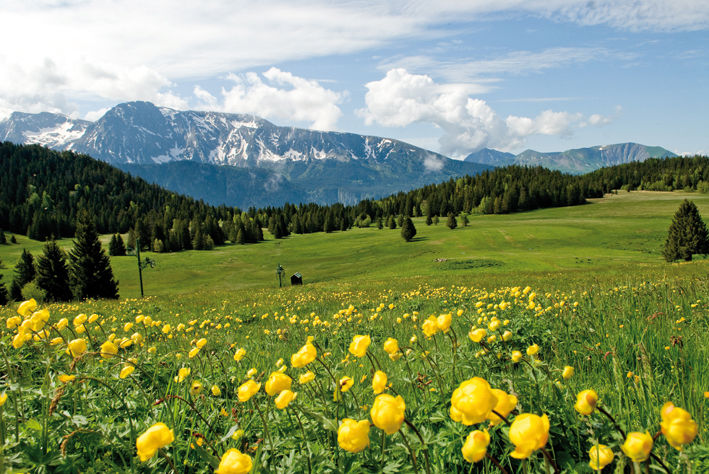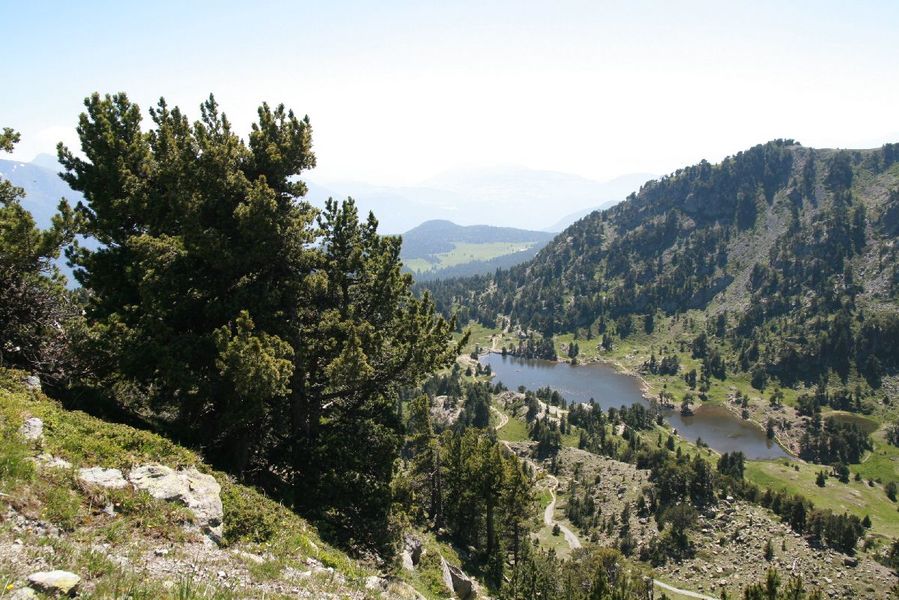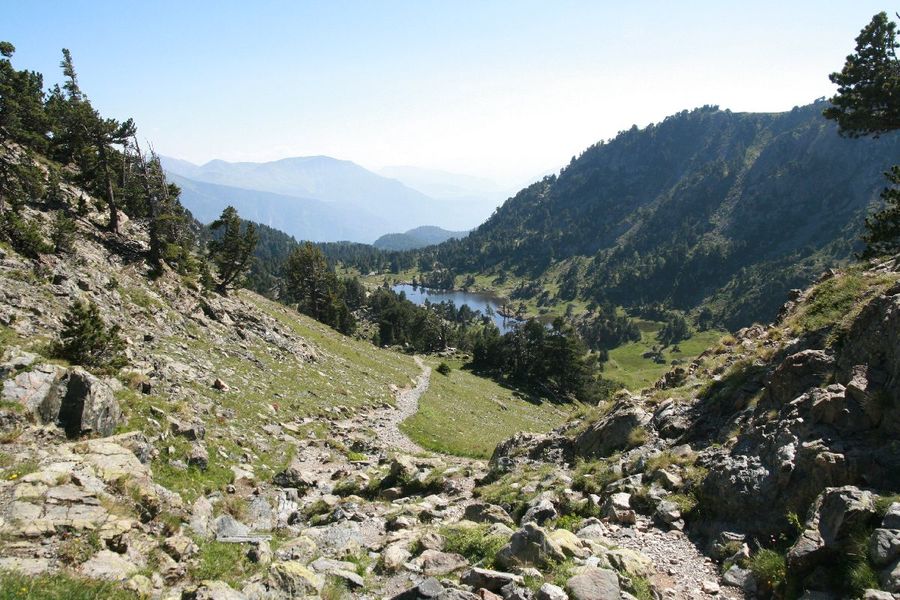
With its head in the mountains, and yet very close to Grenoble, Uriage is a spa resort in the Belledonne Range, whose splendid park has managed to keep the "belle époque" atmosphere.Welcome to Uriage-les-Bains! Looking to recharge your batteries, relax or simply get away from daily stress? You have come to the right place. Located near Grenoble, Uriage-les-Bains offers an enchanted interlude, where nature, well-being and heritage blend harmoniously. Let yourself be seduced by the charm of our town and discover all it has to offer.
The Tourist Office team will help you discover this mid-mountain village, which has a preserved natural environment surrounded by forest, promising some great walks!
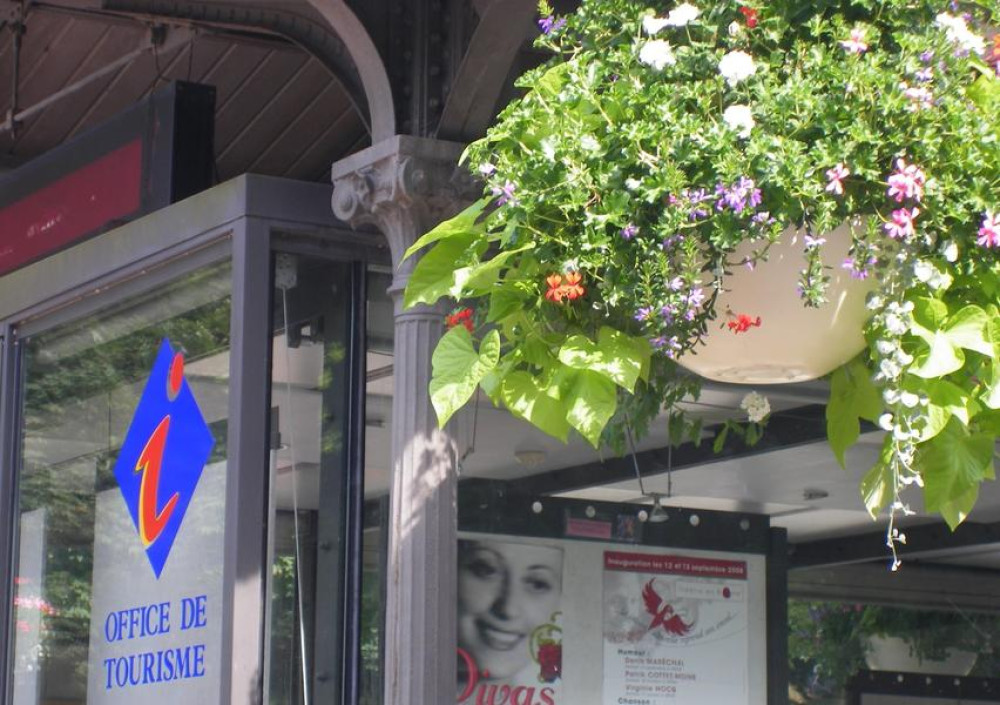
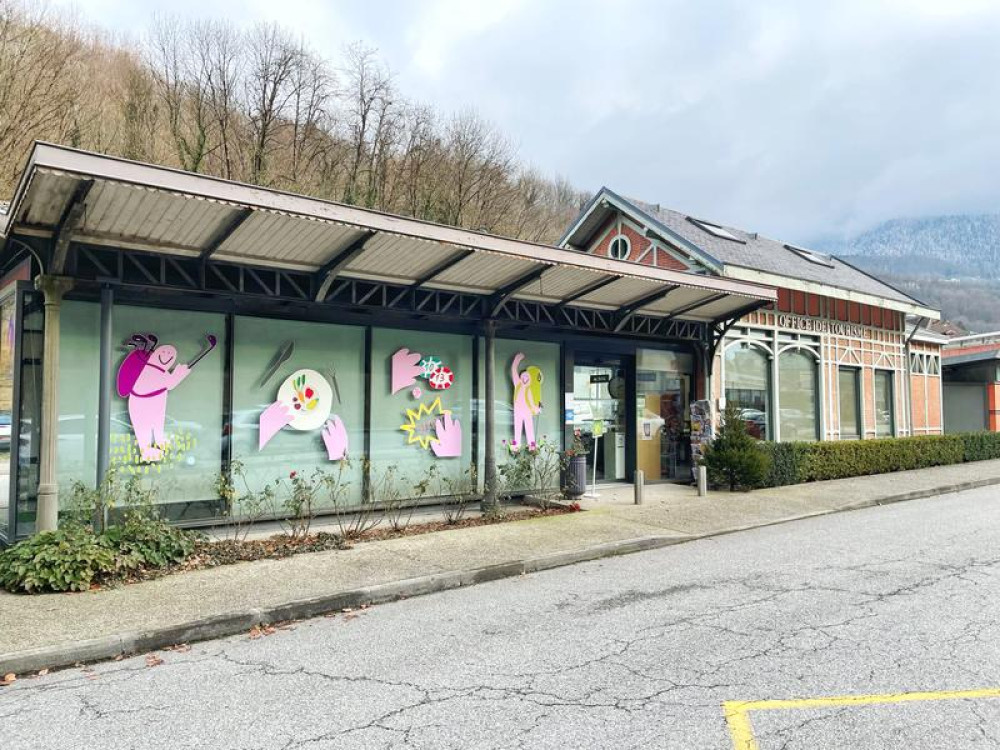
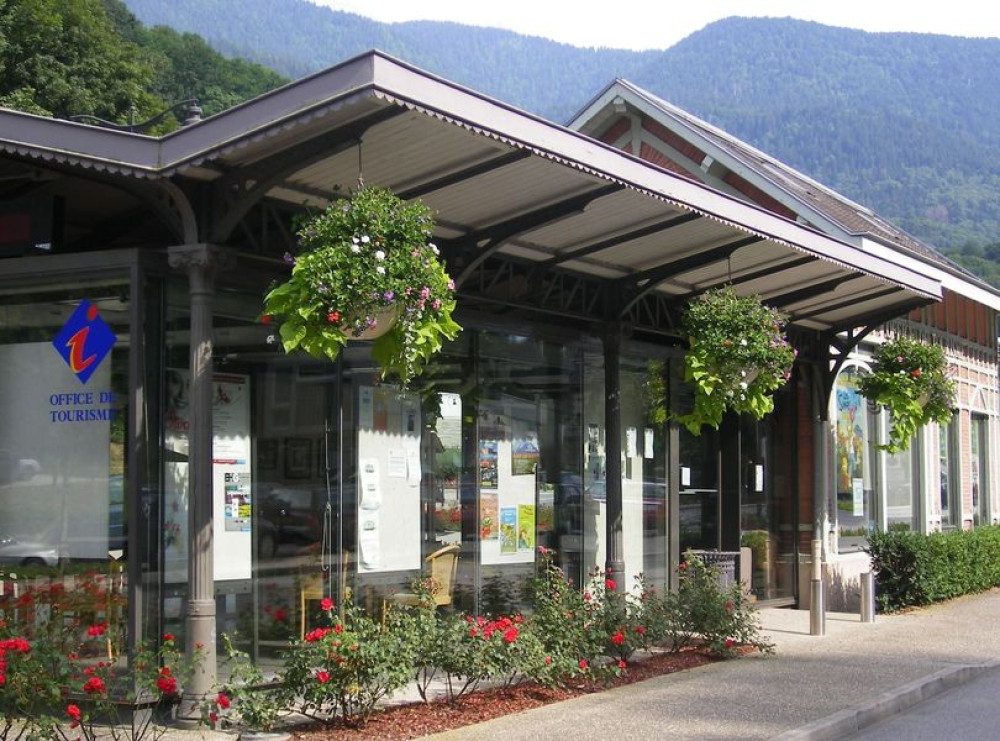
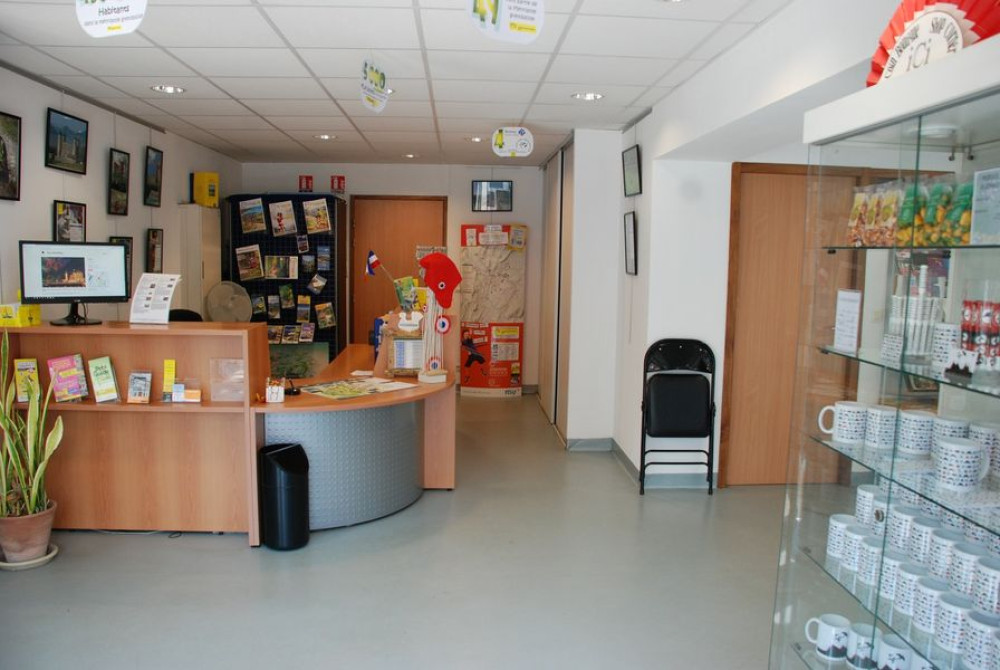
Our office are located in the Voies ferrées du Dauphiné (VFD) railway station, a witness to the spa's rich past.
Since 1995, restored and refurbished as a tourist office, it continues to welcome visitors and bear witness to the town's rich past.


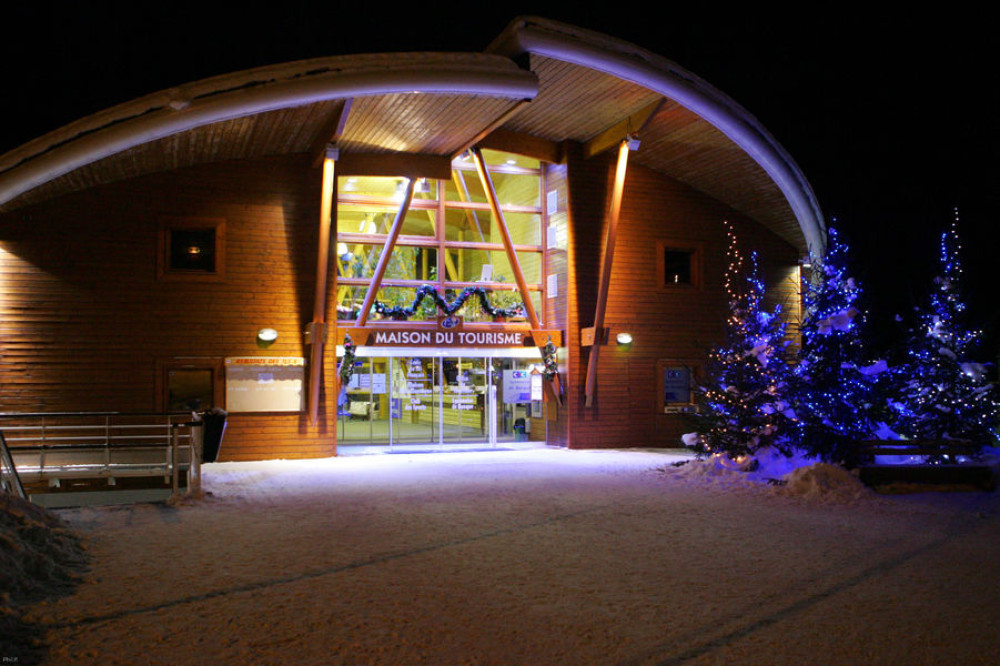
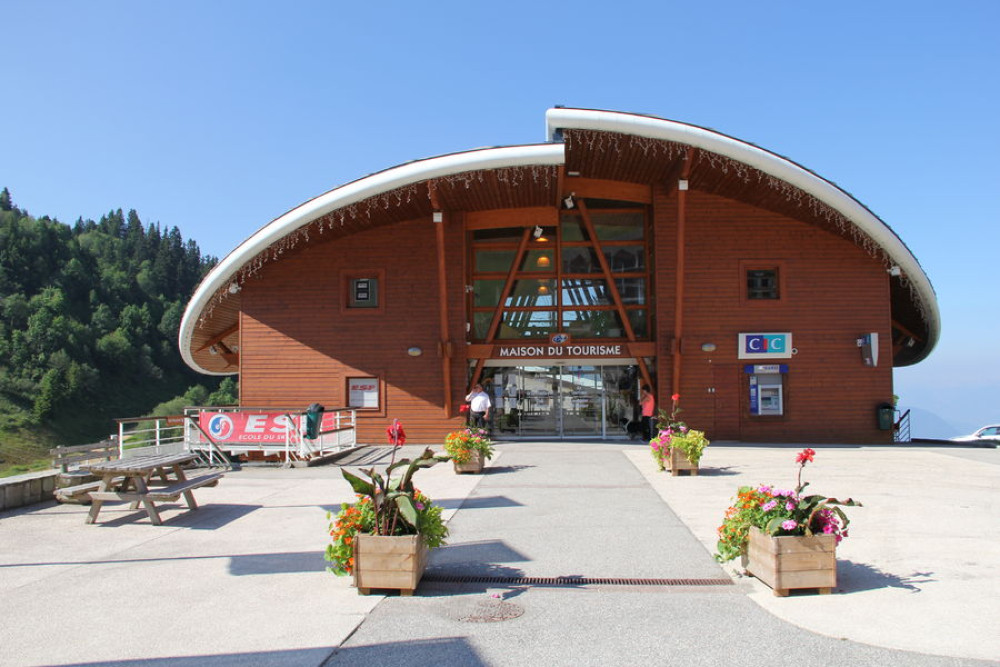
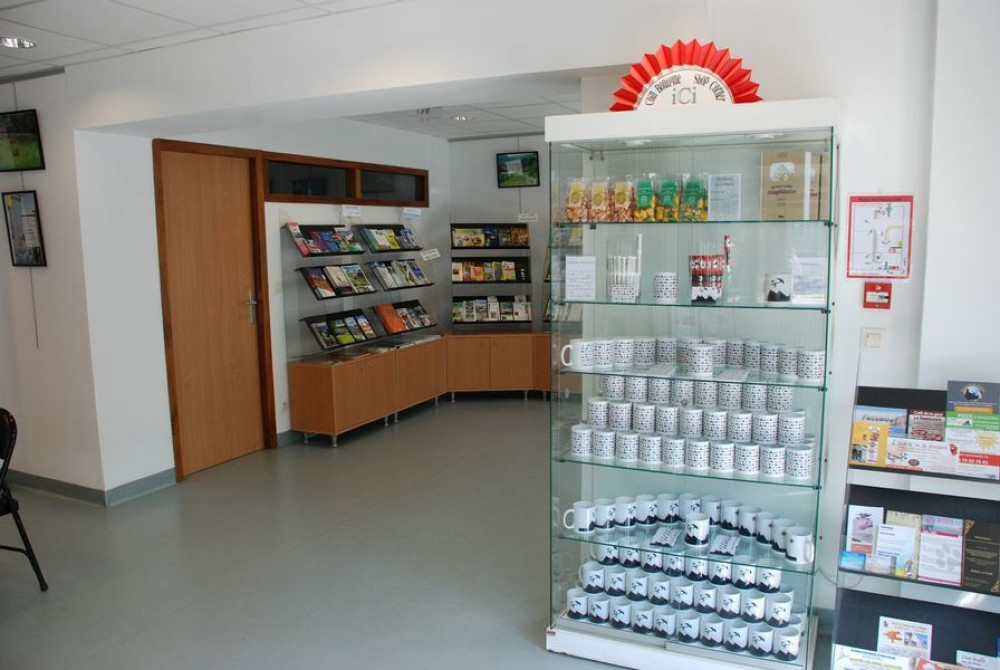
The Chamrousse Tourist Office has renewed its "Qualité Tourisme / Destination d'excellence" label and offers a personalized welcome at its two information desks.We have two information points, one at Chamrousse 1650 and the other at Chamrousse 1750, a central booking office - accommodation "Chamrousse Réservation", a souvenir-gift store, a children's area, free wifi and a fee-paying stroller and baby-carrier rental service.
The information point at the Maison du Tourisme in Recoin (1650) is open all year round, and the one in the Roche-Béranger shopping mall (1750) only in high season (winter and summer).
Gourd friendly - free filling of water bottles on request at reception (during opening hours): 250 ml, 500 ml, 750 ml, 1 liter, 1.5 liter or 2 liters.
Mailing address for Chamrousse Tourist Offices:
- Chamrousse 1650 - Recoin: 42 place de Belledonne, 38410 Chamrousse
- Chamrousse 1750 - Roche Béranger: 478 avenue du Père Tasse, 38410 Chamrousse

This family resort is situated at Oisans's doors and at 45 km from Grenoble, at Taillefer (2857m) and Grand Serre (2141) mountain range feet.Located at the gateway to the Oisans region, just 45 minutes from Grenoble,
L'Alpe du Grand Serre is a welcoming, family-friendly mid-mountain resort open in both winter and summer. Nestled at the foot of the Taillefer Massif (2,857 m) and the Grand Serre peak (2,141 m), it is one of the oldest ski resorts in the Dauphiné region.
The ski area covers 550 hectares and offers 55 km of alpine slopes, including 2 black runs, 12 red, 19 blue, and 5 green. The resort also offers many opportunities for off-piste skiing.
L'Alpe du Grand Serre is a charming village of chalets and alpine pastures, a peaceful place where life is good.
Grenoble-Alpes Métropole, it's 49 cities and villages to be explored!
Discover the territory in all its variety...
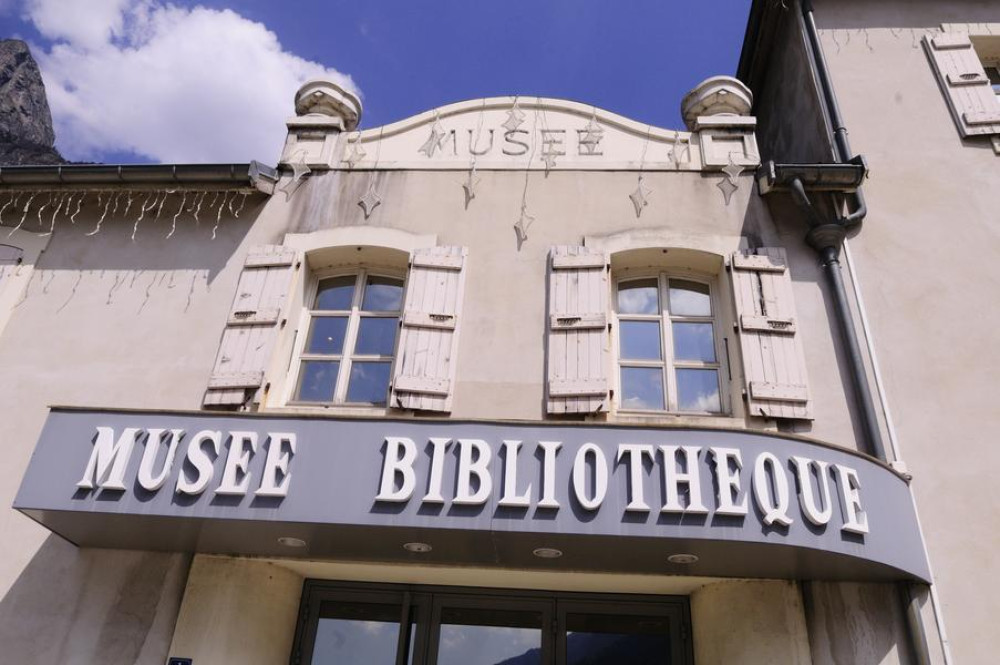
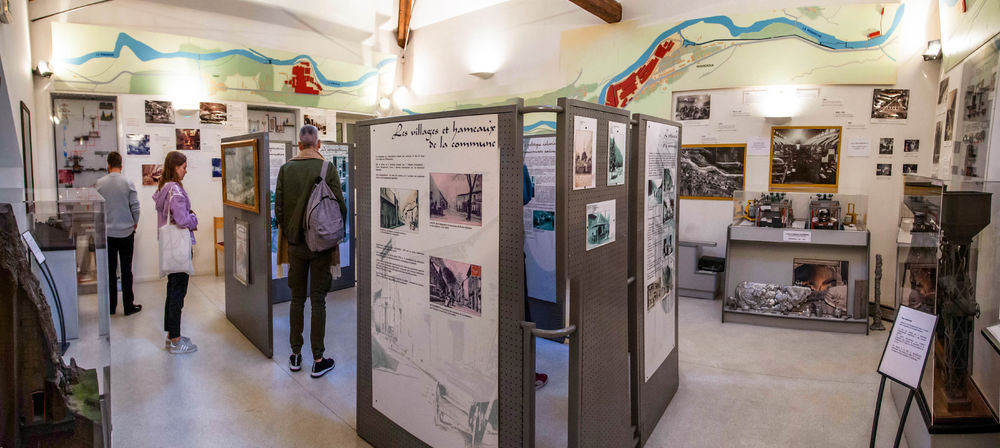
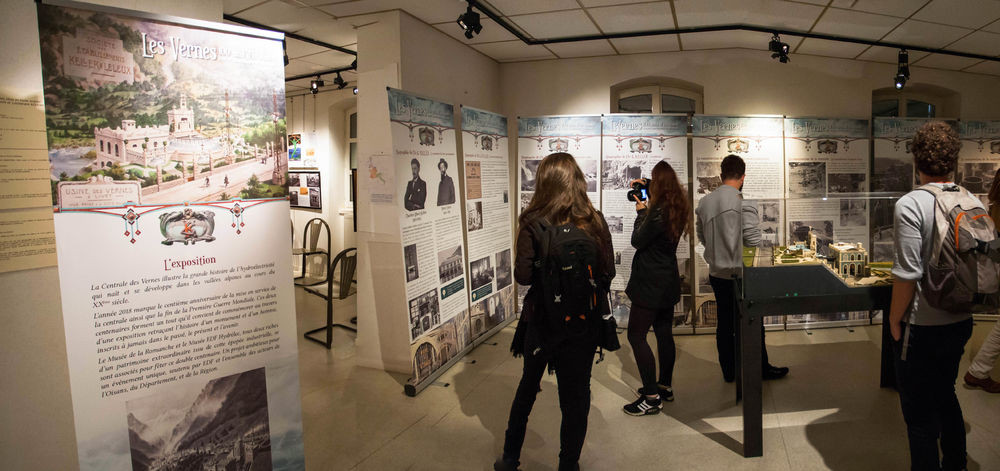
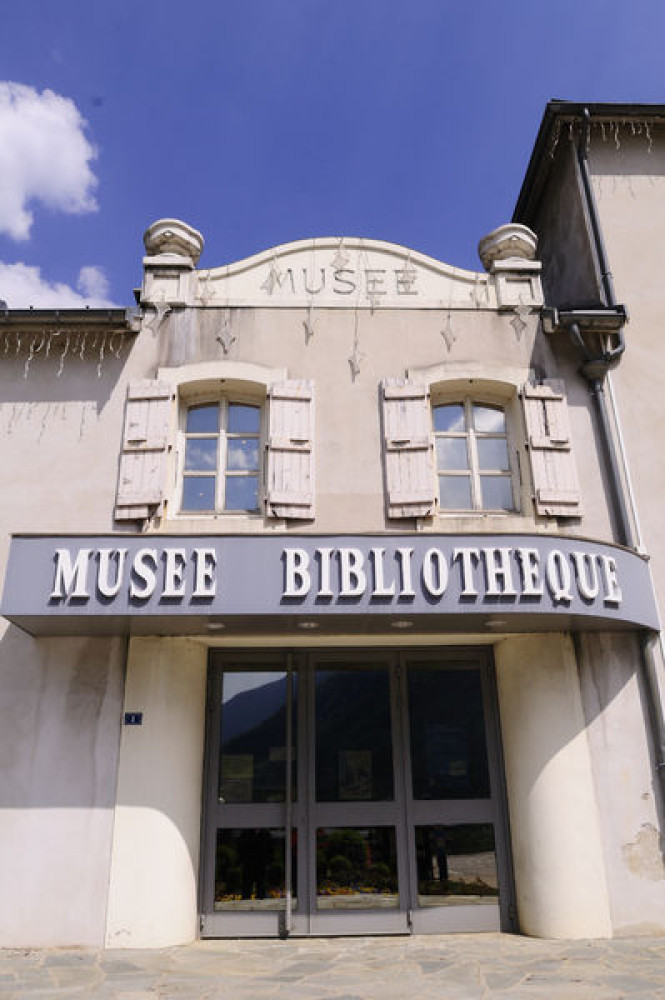
The Musée de la Romanche traces the industrial, energy and human history of the Romanche valley, an area shaped by water, hydroelectricity and the development of major industries.The Musée de la Romanche, located in Livet-et-Gavet, was created in 2001. It traces the industrial, human and energy history of the Romanche valley, an area shaped by water, fed by five torrents, and which over time has become a major economic factor in Isère.
On the 1st floor, a space is dedicated to Charles-Albert Keller, an emblematic figure in local industrialization and a pioneer in the development of hydroelectricity in the valley. The Keller space features an immersive museography showcasing numerous models, some of which have recently been restored. These spectacular models were once presented by Keller at world and international exhibitions, illustrating the industrial innovation of the time.
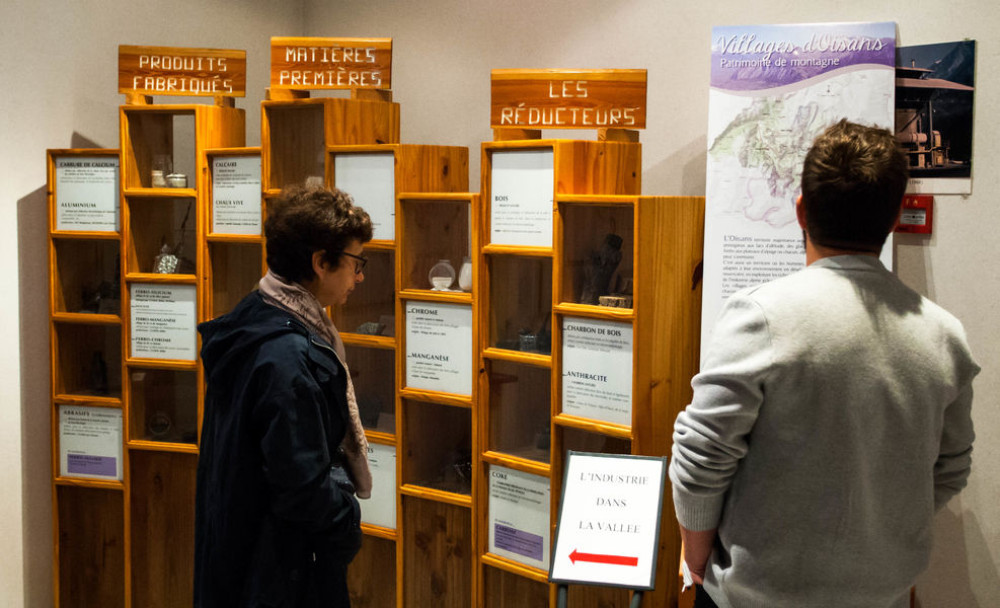
The 2nd floor is dedicated to the other industries of the Val de Livet, which accompanied the start-up and expansion of industrialization in the valley: the Neyret paper mill in Rioupéroux, steel and synthetic iron production in Livet, aluminum production in Rioupéroux, and calcium carbide production in Gavet with the CUAEM group. This space also highlights the social and territorial impact of this industrial activity on the hamlets of Livet, Rioupéroux and Gavet, and on the daily lives of their inhabitants.
The Musée de la Romanche thus offers a fascinating discovery of a unique industrial heritage, in the heart of a valley where nature and industry are closely linked.
The museum is a member of the Route des Savoir-Faire de l'Oisans. It organizes guided tours of the museum (by appointment).
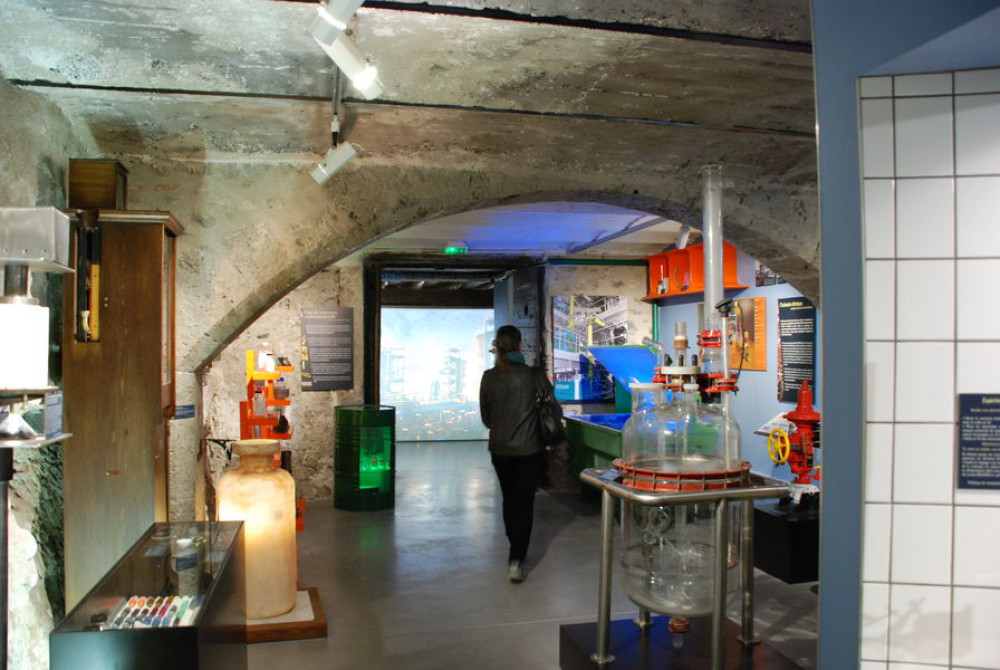
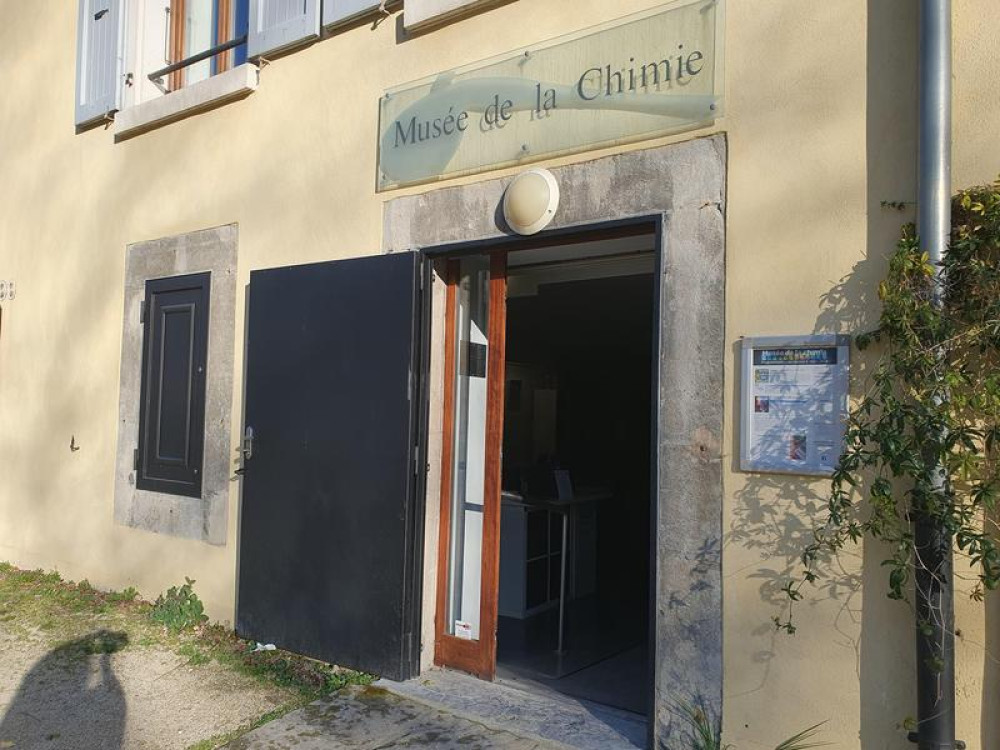
The museum traces the history, techniques and applications of the chemical industry in southern Grenoble from 1915 to the present day.
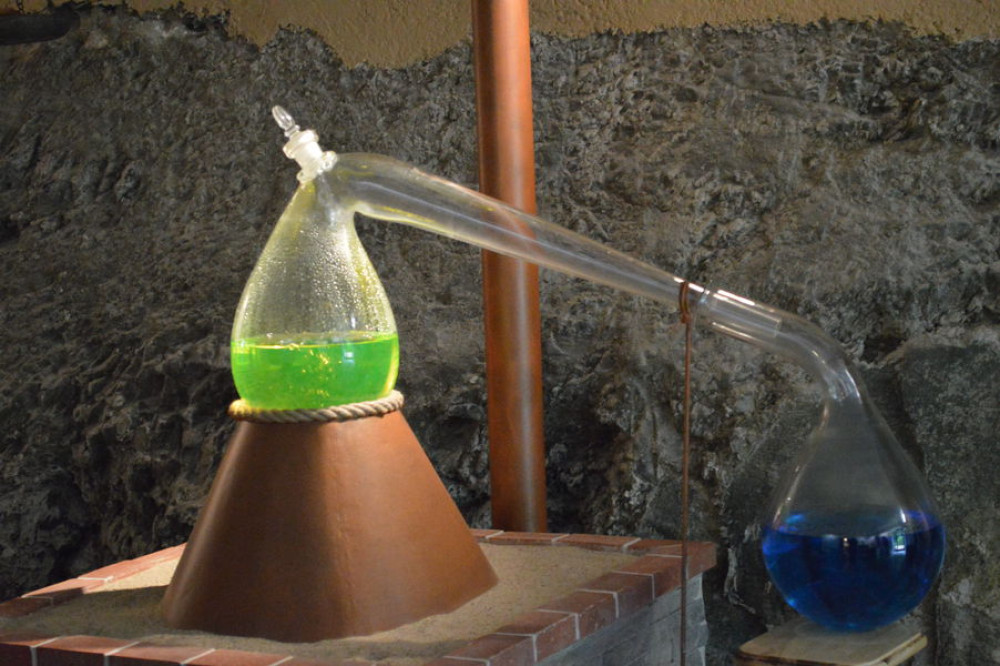
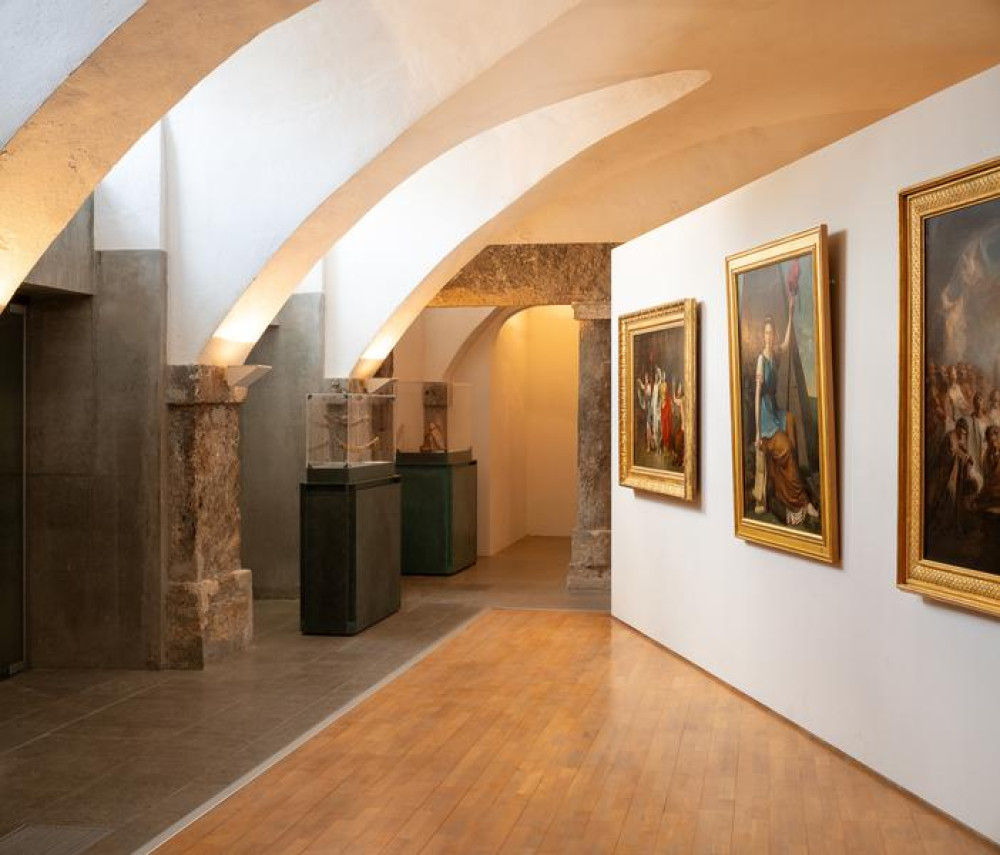
Self-guided tour, guided tour or audioguide via the Tellnoo app.Located in Jarrie, on the first floor of the town hall, in the heart of the Clos Jouvin municipal park, the museum is set in the preserved environment of the old, cool, vaulted cellars of the manor house. The tour presents the history of chemistry since antiquity, and traces the history, techniques and applications of the chemical industry in southern Grenoble, from 1915 to the present day. The chemistry of the 21st century, omnipresent in our daily lives and essential to meeting the challenges of sustainable development, is more innovative and responsible than ever.
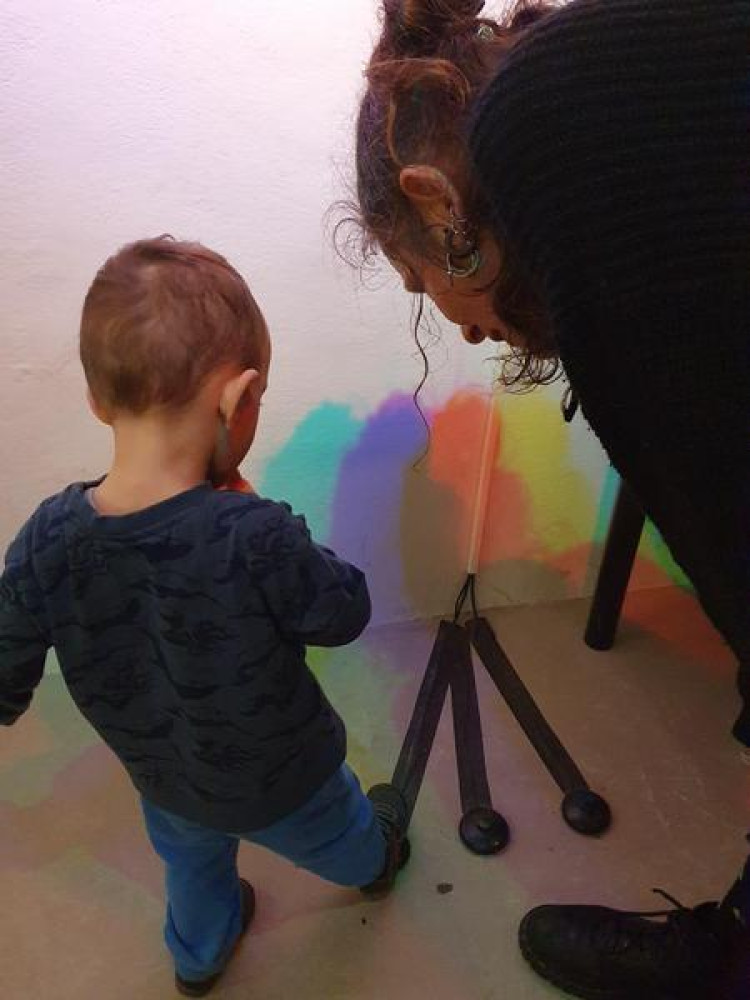
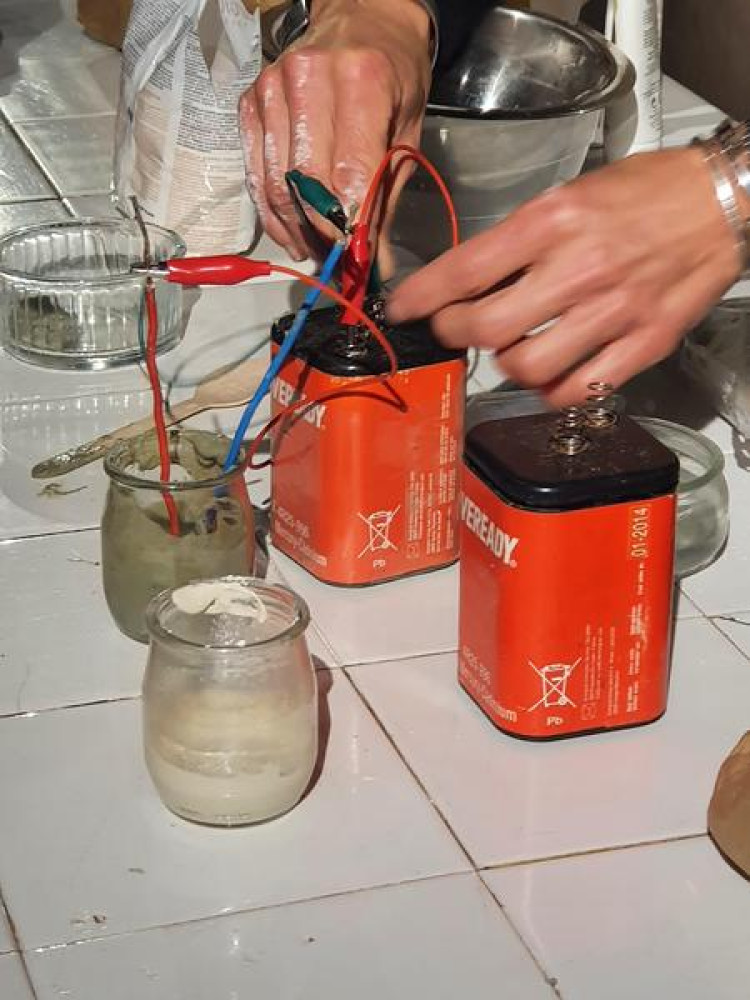
The tour route, completely renovated in 2014, is punctuated by new open-access workbenches: build a Volta cell, perform electrolysis or operate a fuel cell!
A video consultation area and a library are available to the public. A new mediation and exhibition room means you can visit the Chemistry Museum as and when it suits you.
Additional equipment: audioguide with Tellnoo application (free download from your smartphone).
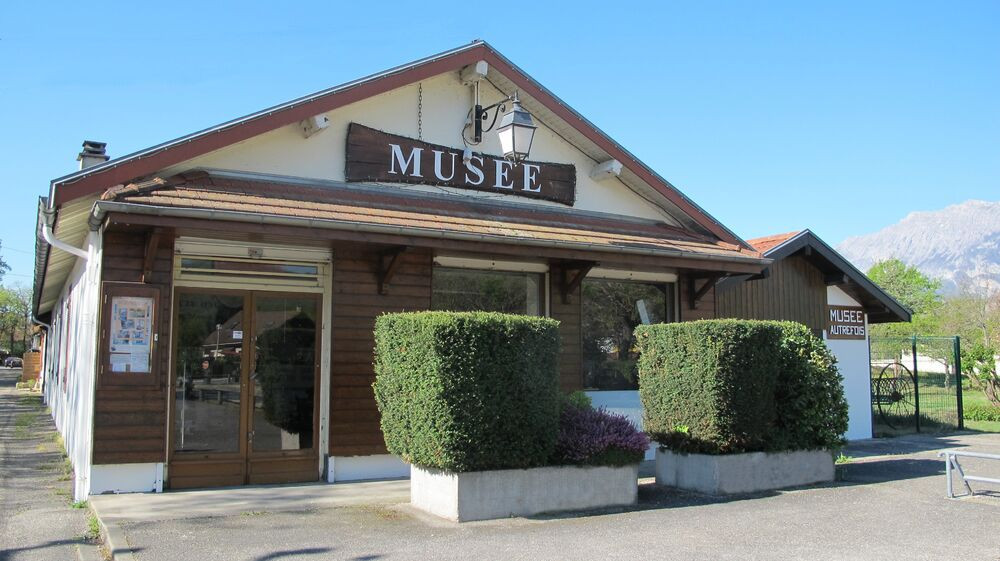
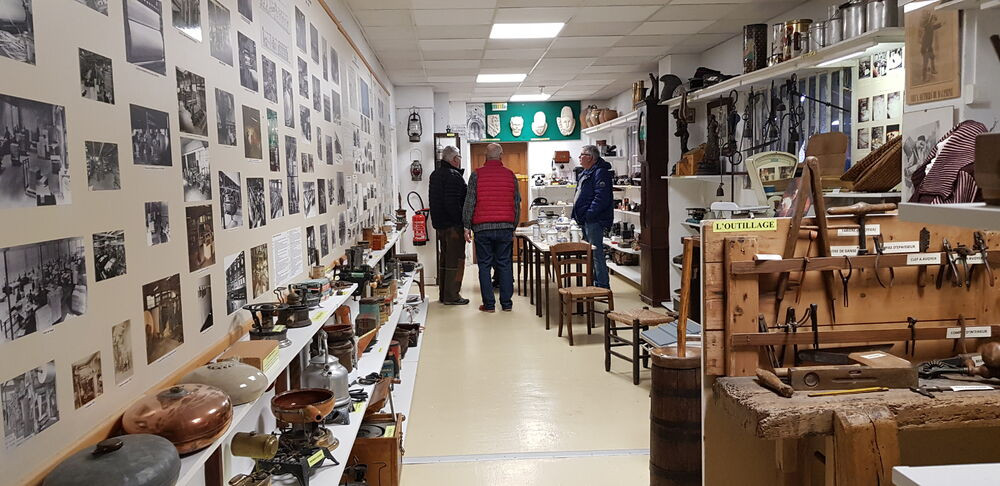
This fascinating museum, abundantly supplied by the inhabitants' gifts, is a rich testimony of the story of Champ sur Drac and the Navarre paper mill. A real industrial saga which cannot be dissociated from the village's story.The museum is situated in the heart of the Navarre working city, in the former retailer which had been built so as to answer to the workers' needs.
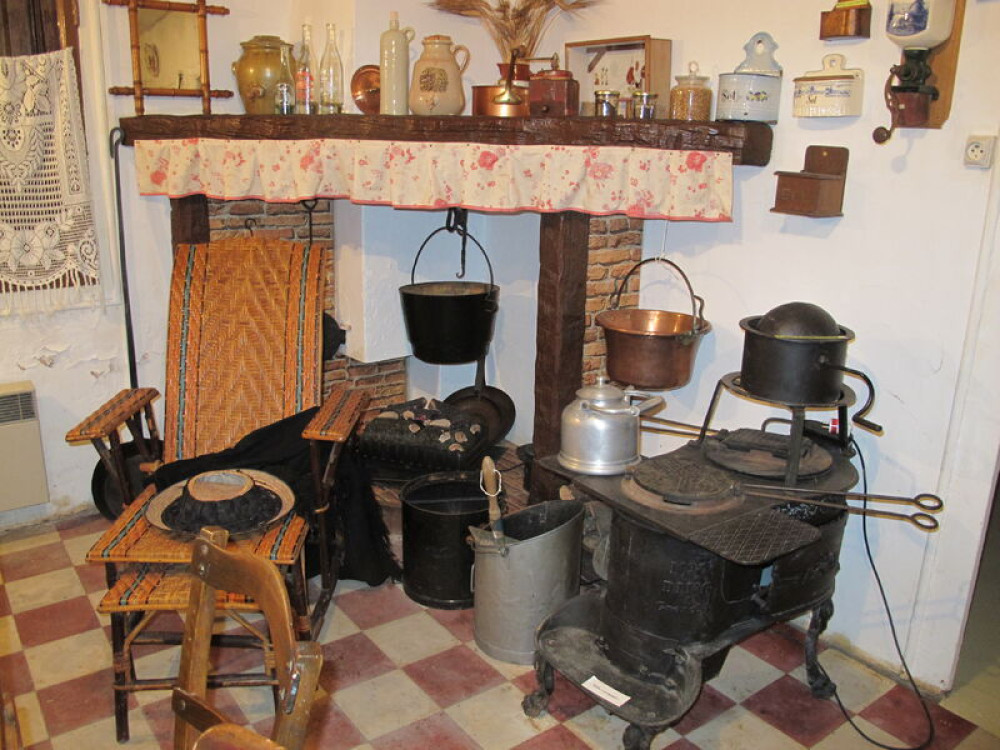
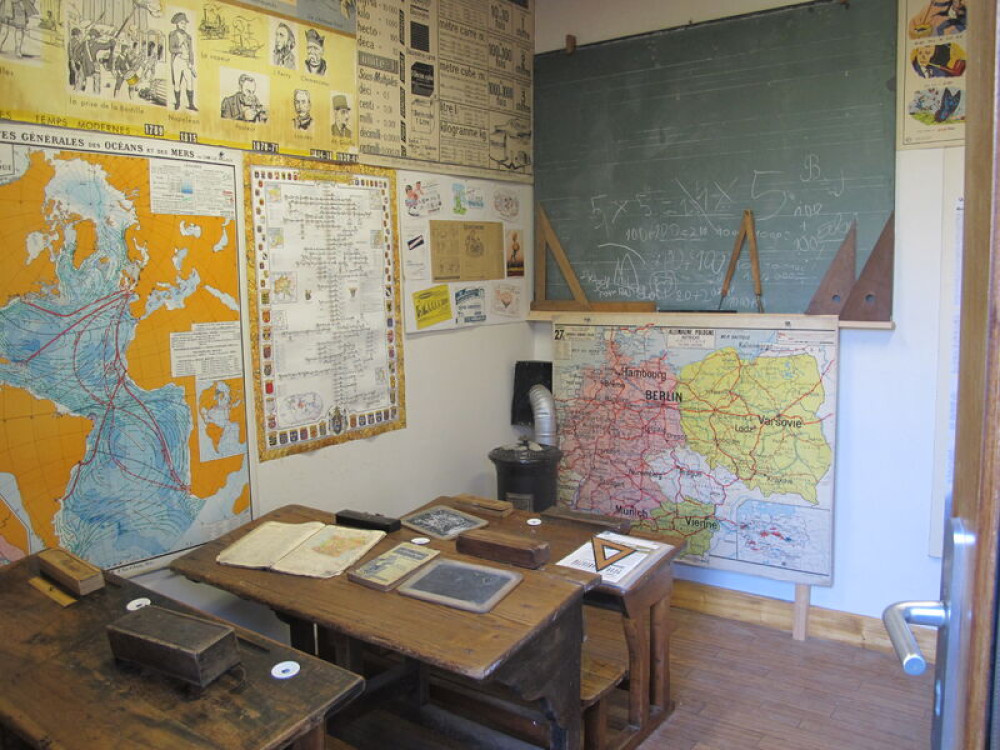
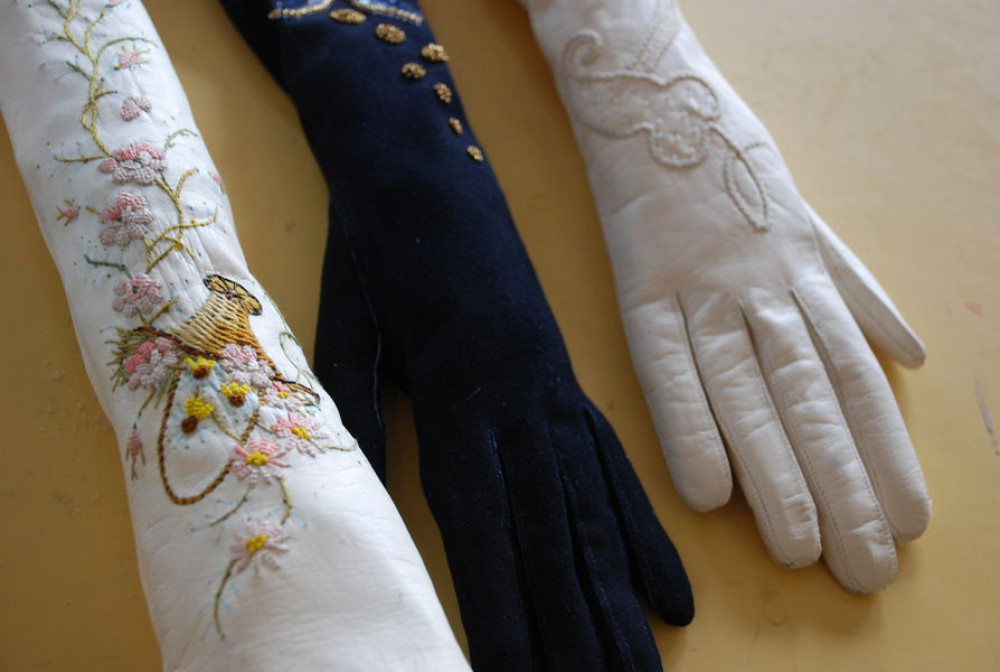
Among the many richness of the museum, one can see a cinema projector which dates back to 1914, tools which used to belong to several different building trades such as the leather trade, cobbling, gloves making, including the “main de fer” invented by Xavier Jouvin, as well as everyday life objects, craftsmanship, schools and the former associative life.
This fascinating museum, abundantly supplied by the inhabitants' gifts, is a rich testimony of the story of Champ sur Drac and the Navarre paper mill. A real industrial saga which cannot be dissociated from the village's story.
The museum is situated in the heart of the Navarre working city, in the former retailer which had been built so as to answer to the workers' needs.
Among the many richness of the museum, one can see a cinema projector which dates back to 1914, tools which used to belong to several different building trades such as the leather trade, cobbling, gloves making, including the “main de fer” invented by Xavier Jouvin, as well as everyday life objects, craftsmanship, schools and the former associative life .
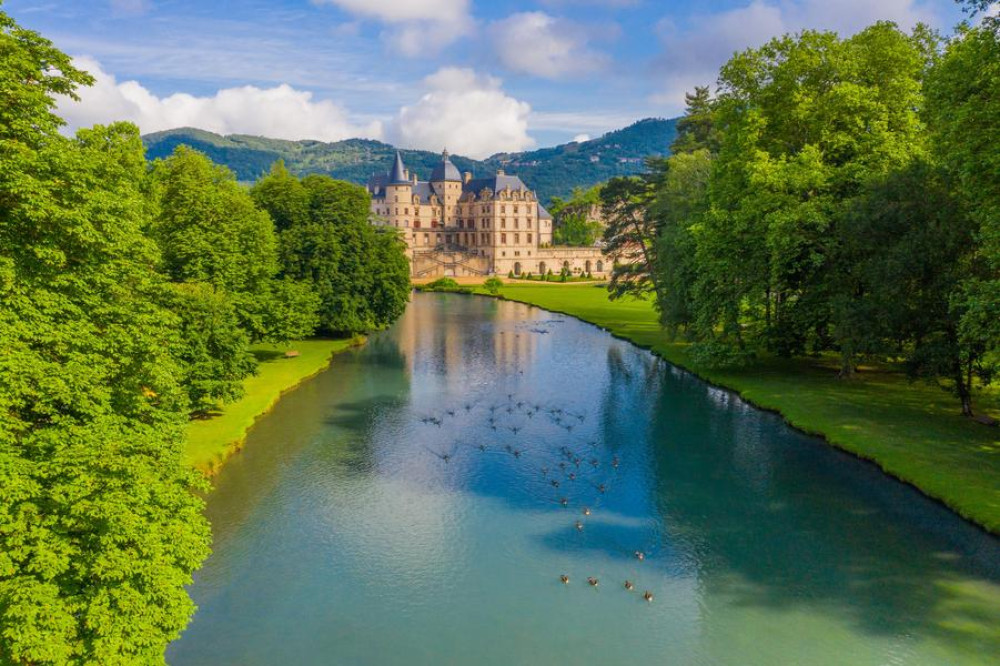
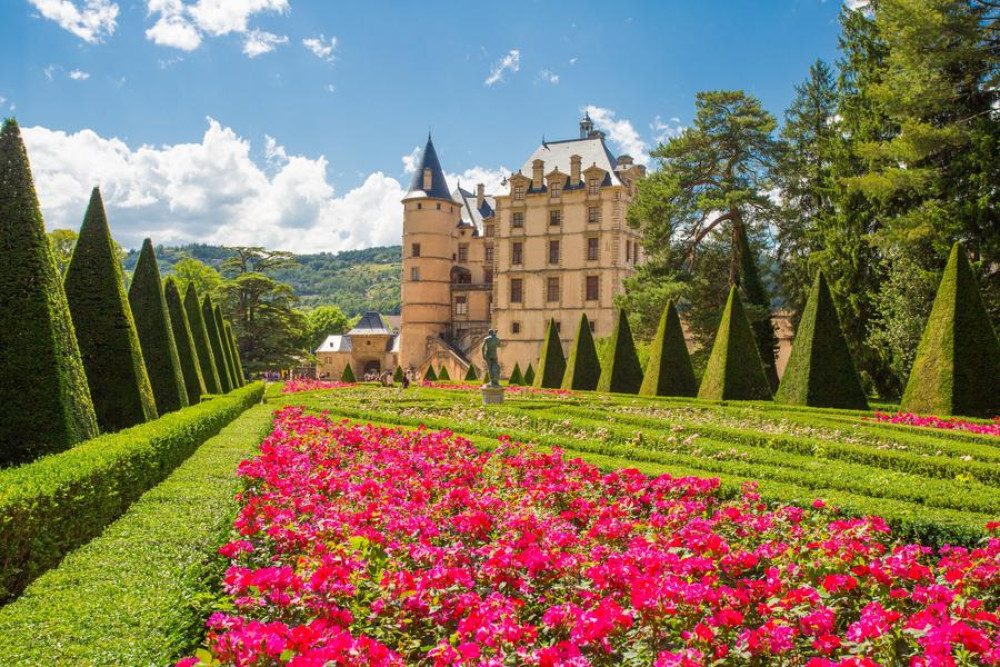
The castle shelters the museum of the French Revolution since 1984. The collections gather pieces of art such as paintings, drawings, sculptures and engravings.On July 21st 1788, the castle of Vizille entered History. The Etats Généraux of the Dauphiné meeting which had been forbade by Grenoble authorities had been thus sheltered by Claude Perrier. Seduced by the liberal ideas, his castle sheltered this meeting. 187 members of the Tiers Etats, 49 clergymen and 159 noblemen deliberated during 16 hours. In demanding the meeting of the Etats généraux this event is considered to have triggered the Revolution. The Salle du jeu de paume which was the witness of this event have burnt during the fire of 1865. Its implantation is now symbolised by a terrace planted with trees at the entrance of the museum.
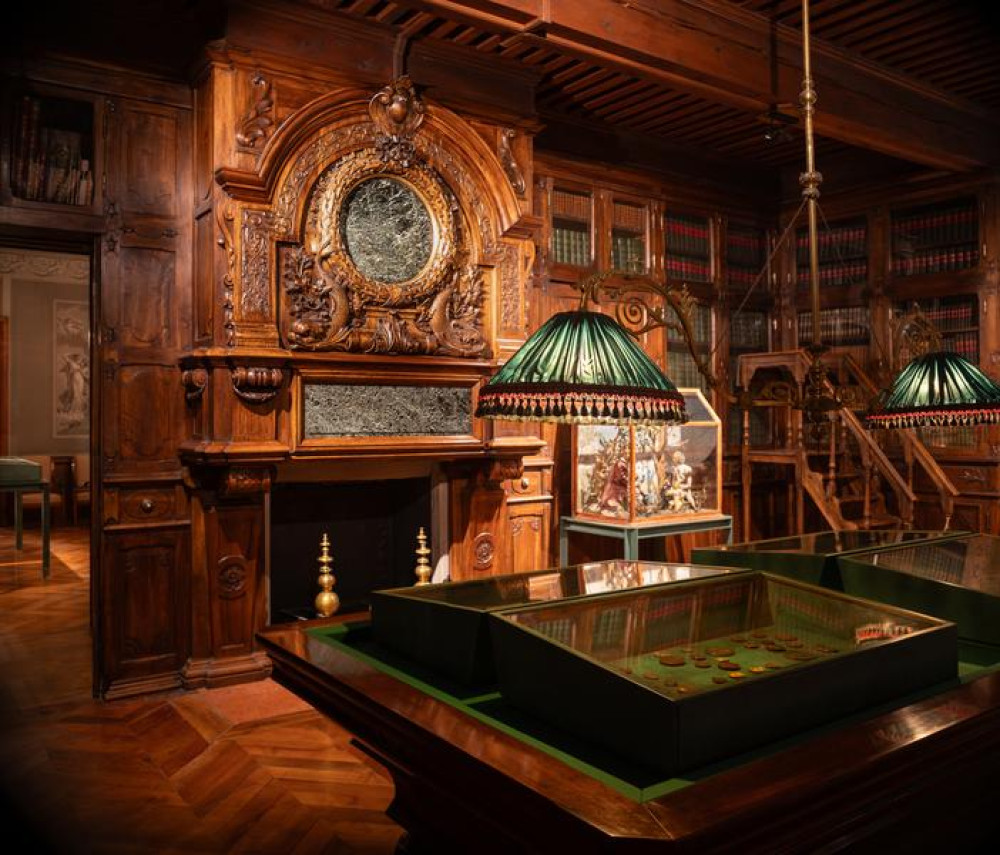
The castle shelters the museum of the French Revolution since 1984. The collections gather pieces of art such as paintings, drawings, sculptures and engravings. One can see figurative piece of art too such as English and French ceramics, tapestries, materials and furniture. But one can also find French and foreign historical pieces such as (stones of the Bastille, swords of the National Guard) dating from the Ancien Régime to the 3rd Republic.
The museum recalls the French Revolution as well as the artistic creation and cultural transformations all around Europe, from the times of the Lumières to Romanticism.
The museum offers to the public an original approach of this period and its myth through evocative pieces which are replaced in their context.
The museum is opened every day except on Tuesdays, from 10 a.m. to 12.30 p.m. And from 1.30 p.m. to 6p.m. from April till October and from 10 a.m to 12.30 p.m and from 1.30 p.m. To 5 p.m from November till March. Closed on public holidays from November till March and on the May 1st . Free entrance and possibility of audio guide .

The site is composed of the catchment area of Lake Achard, as well as the valley and the vast peaty plateau of Arselle, which are crossed by the Salinière stream. This site has been included in the Natura 2000 (Europe) and ENS* (Department) networks.Because of the peat bog that makes up the plateau, and its landscape, botanical and faunistic interest, the Arselle plateau is a natural area protected by an arrêté préfectoral de protection de biotope since 2019. The aim of this decree is to preserve the site and the plant and animal species present.
This peat bog is of a particular type, as it forms on acidic soils. Few plant species can colonize this environment (e.g. sphagnum moss, cattail and common butterwort). Droséra and Grassette are carnivorous species. These flowers feed on insects that provide them with the nitrogen they can't find in this poor soil. They capture the insects and digest them using enzymes contained in the viscous droplets they secrete.
Similarly, the forest, wetland and rocky habitats in the Lac Achard watershed and in the Vallon de la Salinière are home to a wealth of heritage flora and fauna, which led to an extension of the ENS perimeter, in order to preserve them in the face of increasing visitor numbers.
The site is home to many protected species: the Arctic cordillera (dragonfly), Vandeli's androsacea (flower), Frog orchid, Alpine newt (amphibian), Bearded vulture (bird), Alpine ibex, Schreibers miniopter (bat), and more.
Take to the trails to discover these rare and sensitive environments, accompanied by local guides: Bureau des Guides de Chamrousse and Belledonne en marche.
? Please note: burning, camping, fishing and swimming are strictly forbidden (under penalty of fine). Bivouacs are permitted on Lac Achard from sunset to sunrise (except from early May to late October + Infernet area) and strictly forbidden on the Arselle plateau. Please stay on the paths to preserve the fragile environment (the Arselle peat bog is classified as an APPB - Arrêtés Préfectoraux de Protection Biotope - and it is forbidden to go onto the plateau off the path).
 Isère Outdoor - Trace - En passant par le col du Luitel à vélo - Version longue