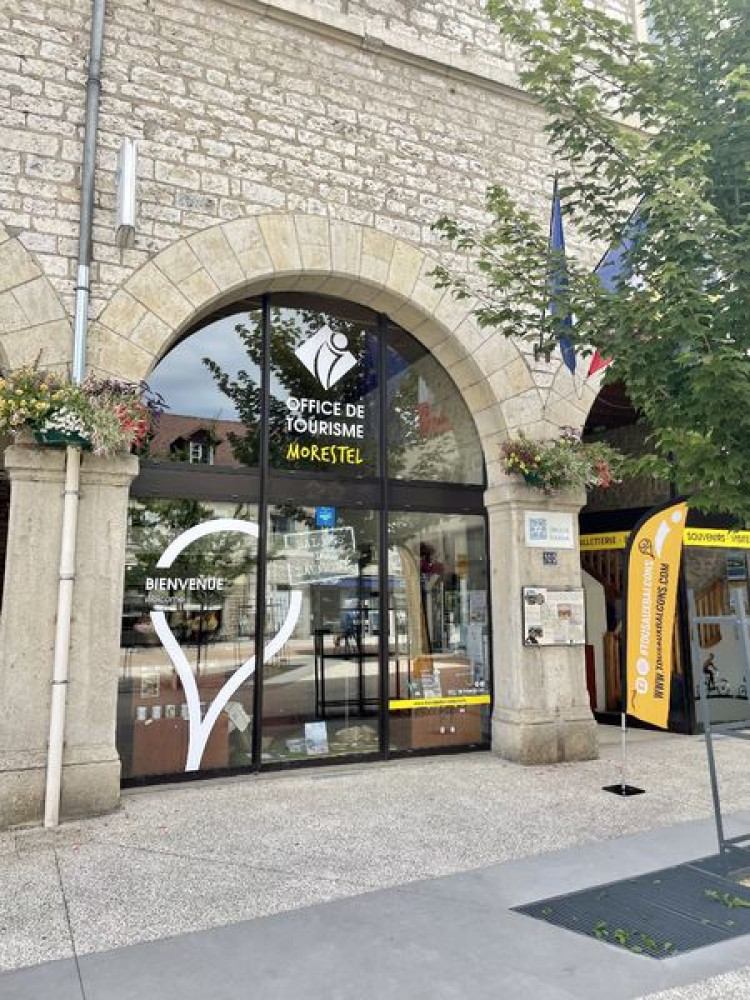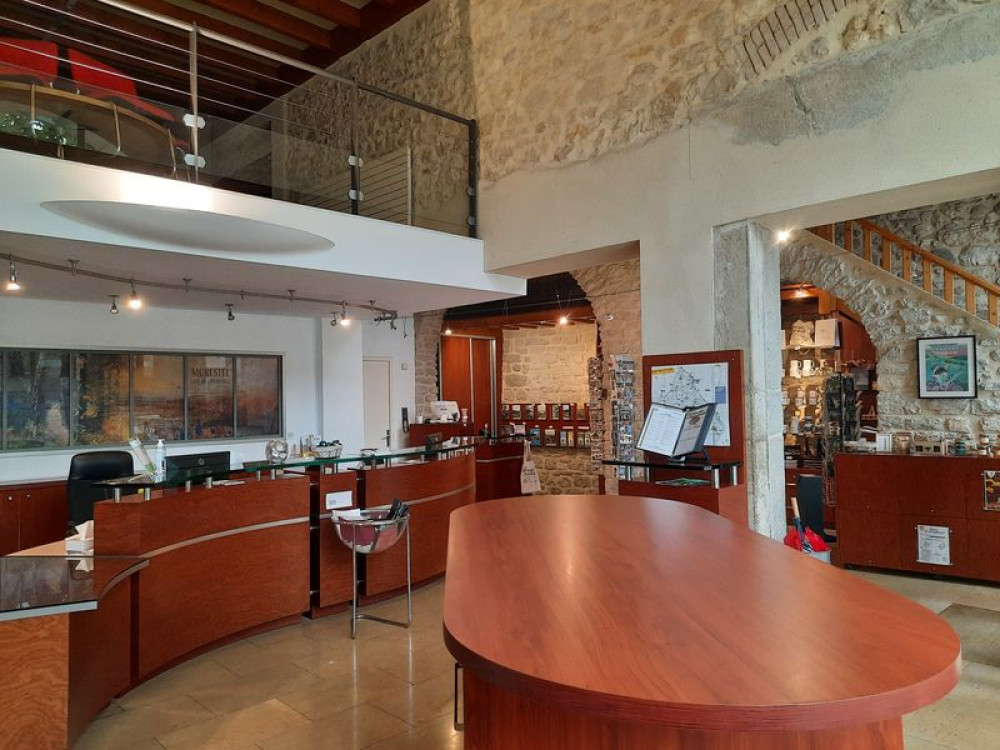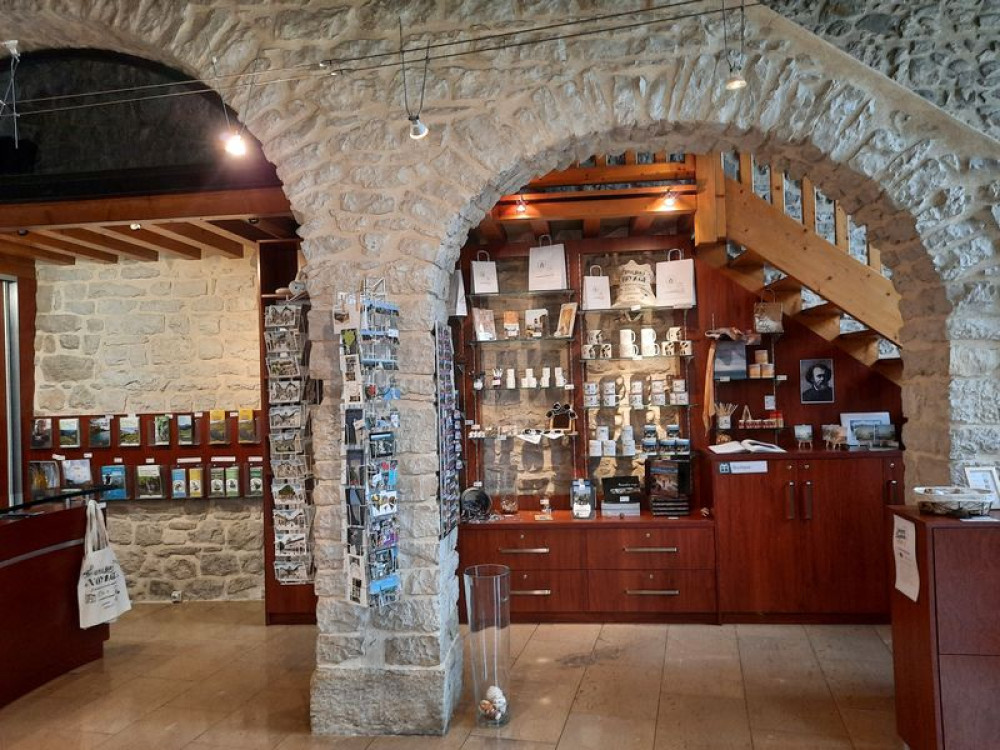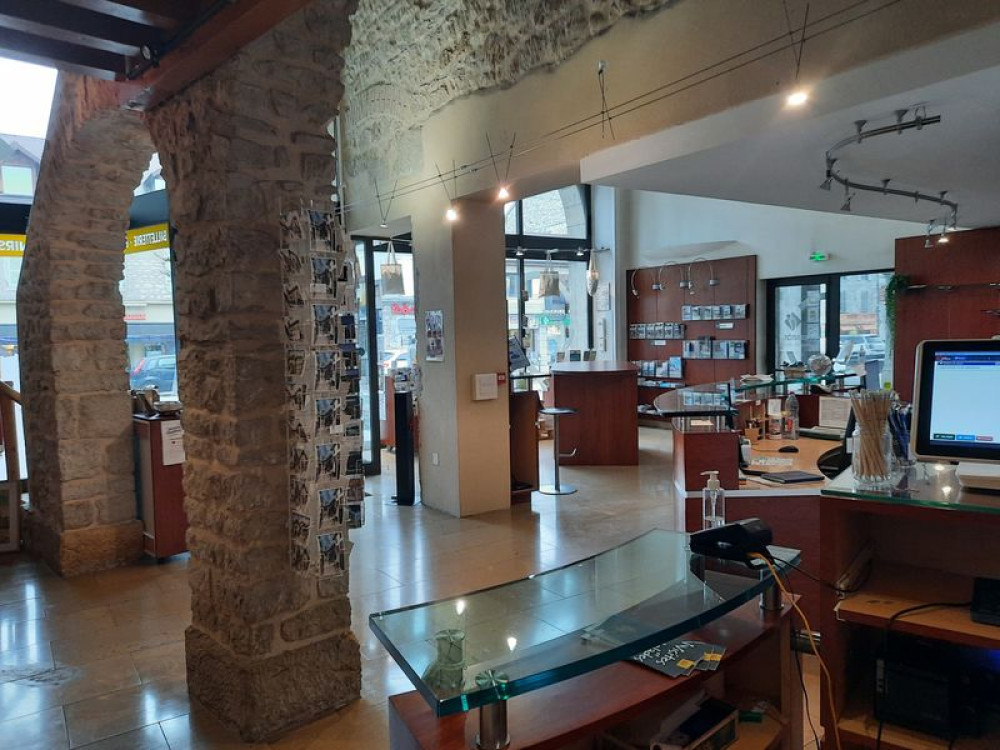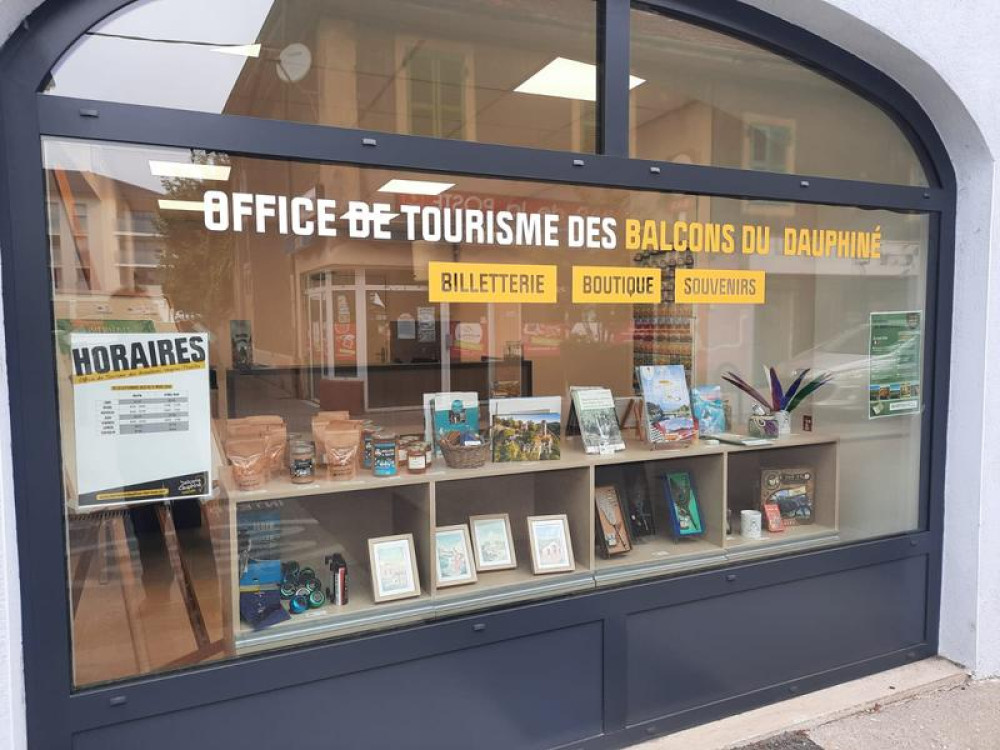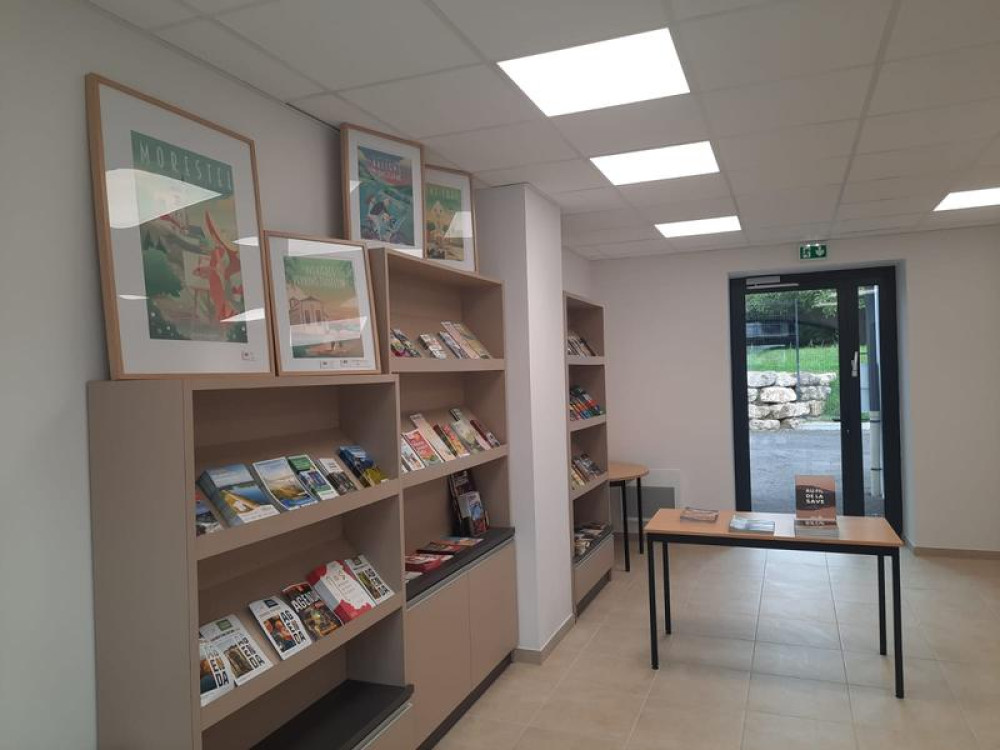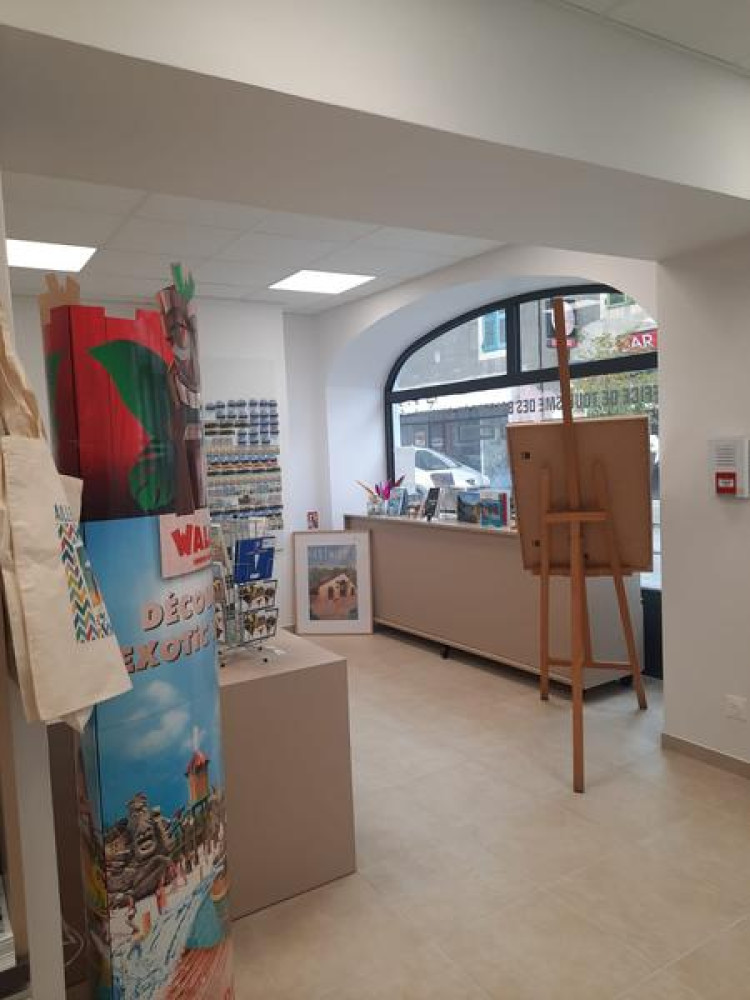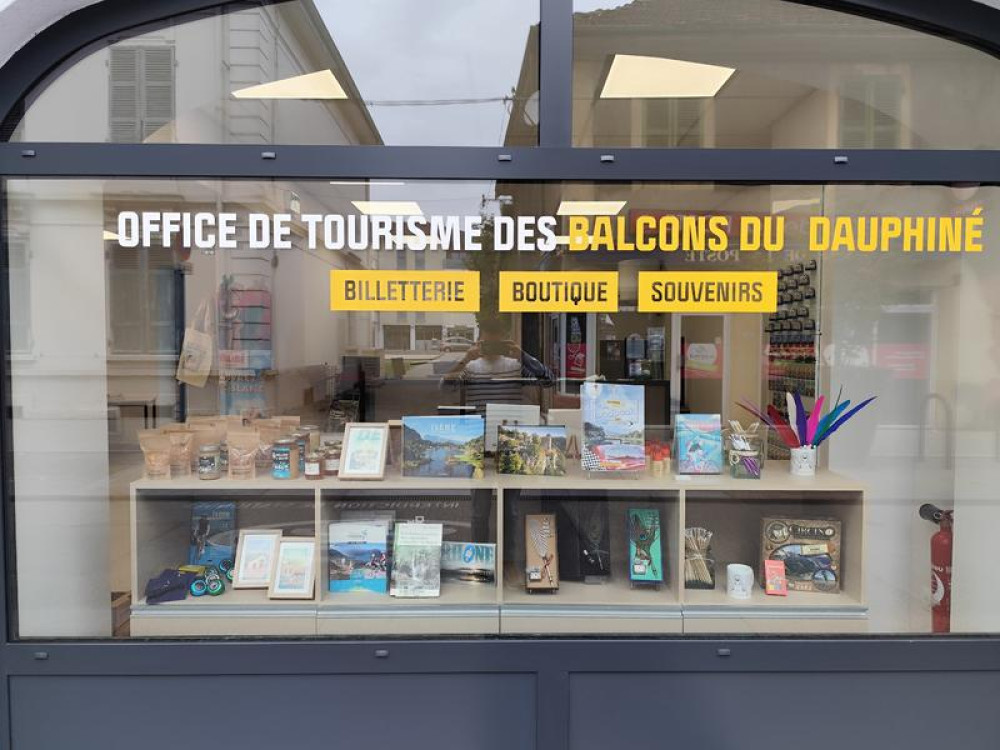
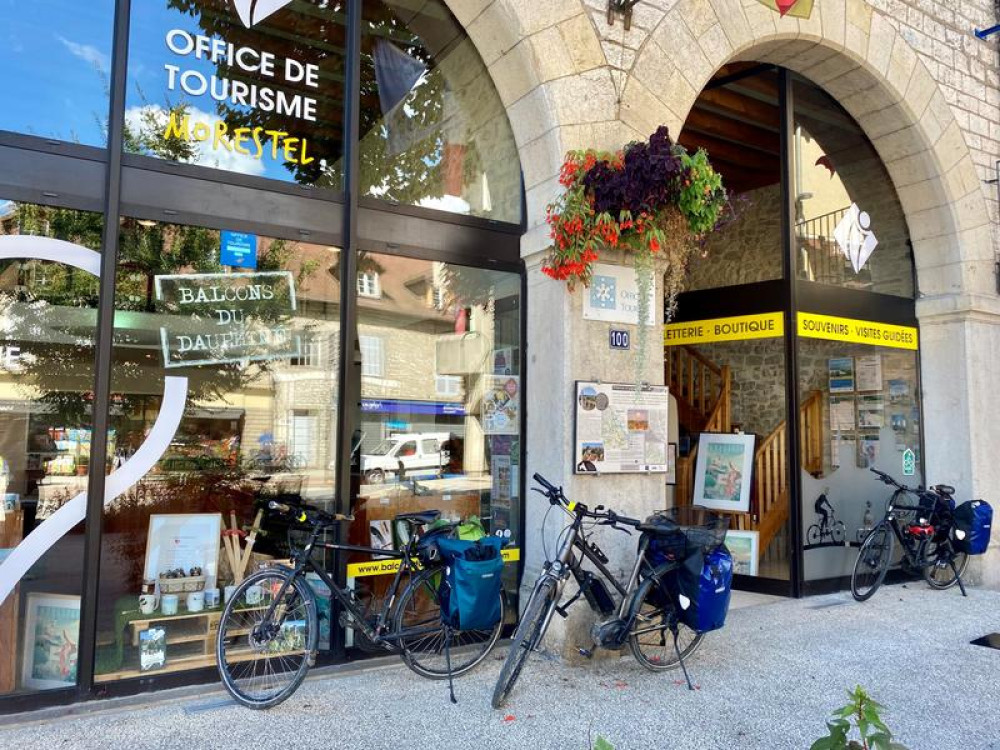
In the heart of Morestel, the town of painters, the Tourist Information Office and its team invite you to explore the medieval town and its art galleries. As a stop on the ViaRhôna route, you’ll find plenty of personalised advice and a souvenir shop here.Located in the heart of the ‘city of painters’, the Morestel Tourist Information Office is open all year round to help you explore the Balcons du Dauphiné.
An ideal stop for cyclists, the ViaRhôna cycle route, linking Lake Geneva to the Mediterranean Sea, passes through Morestel. It’s the perfect opportunity to take a break and explore this charming town and its surroundings.
In Les Balcons du Dauphiné, cycle tourists can enjoy over 60 km of cycle routes, alternating between safe greenways and shared paths, to explore a region with varied landscapes and a well-preserved heritage.
The Morestel Tourist Information Office holds the Accueil Vélo accreditation, a national scheme that guarantees cyclists a warm welcome and services specially designed for them.
Our team is on hand to help you plan your cycle route or tour on the Viarhôna in the Balcons du Dauphiné. You will find the following on site :
- The complete collection of Viarhôna maps:
Map of the entire route (from Lake Geneva to the Mediterranean Sea)
Map of the northern section (from Lake Geneva to Lyon)
Map of the central section (from Lyon to Avignon)
Map of the southern section (from Avignon to the Mediterranean Sea)
- Personalised advice tailored to your fitness level and the length of your stay in the Balcons du Dauphiné.
- Information on accommodation with the ‘Accueil Vélo’ label, addresses of bike repair shops, bike hire companies and drinking water refill points.
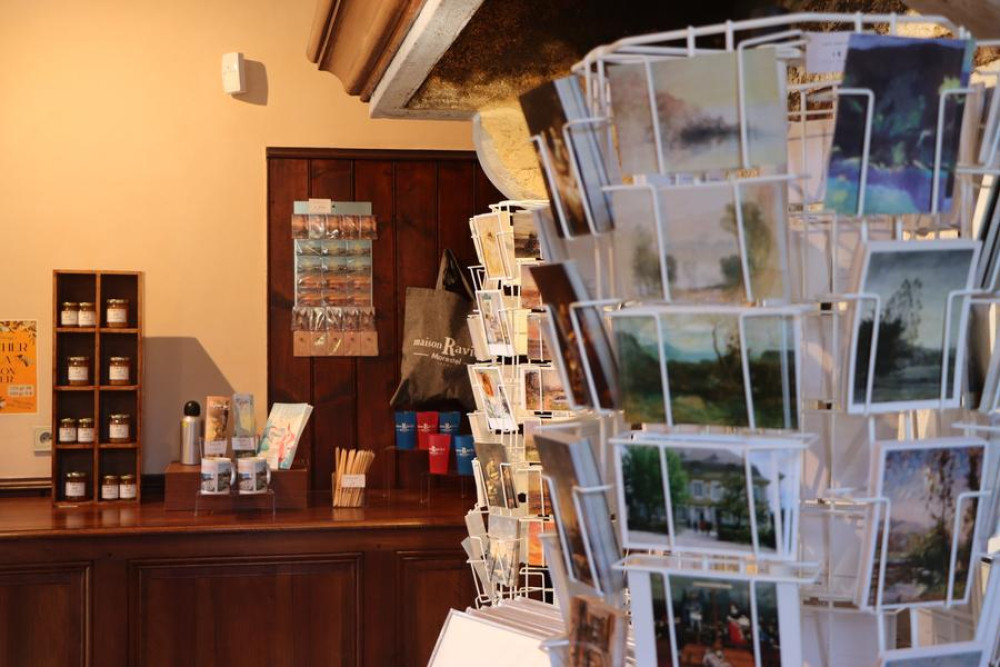
The Tourist Information Office also features a shop area. Here you’ll find walking guides, books on local heritage and souvenirs to help you continue exploring the region.
Our team is on hand to share their top tips, suggestions for walks and must-see attractions during your stay in the Balcons du Dauphiné.


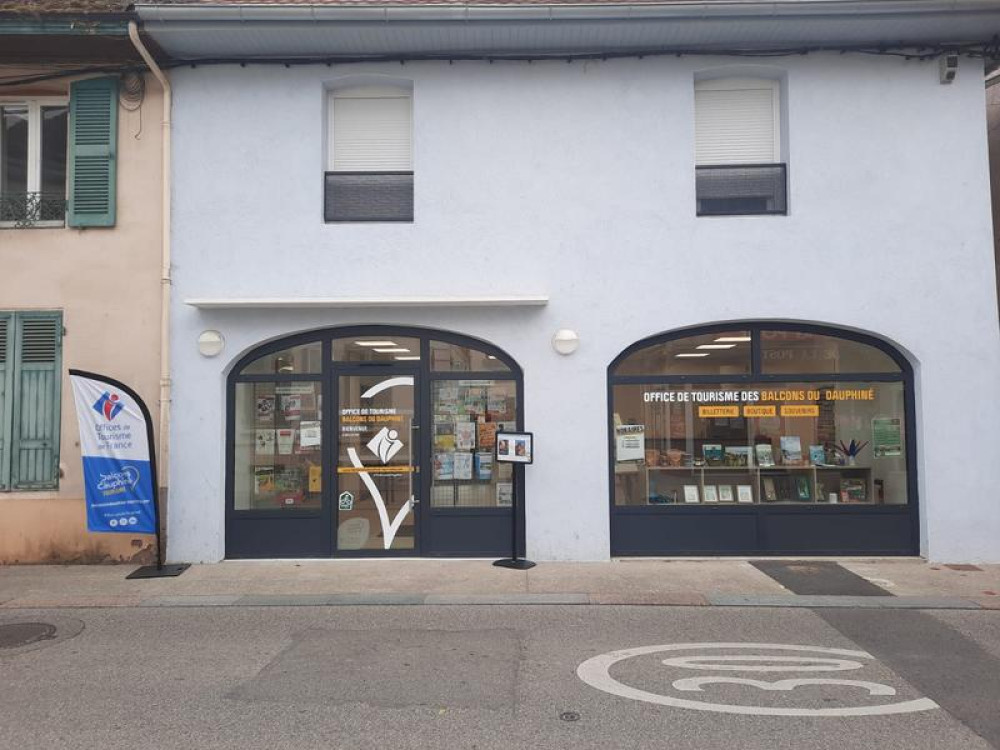
Our team is at your service to help you plan a successful weekend or holiday: heritage discoveries, events, activities, restaurants and accommodation. Ticketing service for concerts and shows, souvenir store.Nutzen Sie Kanutouren, um die Rhône und ihre Lônes zu entdecken, erkunden Sie unsere Region auf der ViaRhôna oder verbringen Sie einen Tag voller Emotionen und Erlebnisse im Walibi Rhône-Alpes !
In Les Balcons du Dauphiné, cycle tourists can enjoy over 60 km of cycle routes, alternating between safe greenways and shared paths, to explore a region with varied landscapes and a well-preserved heritage.
The Morestel Tourist Information Office holds the Accueil Vélo accreditation, a national scheme that guarantees cyclists a warm welcome and services specially designed for them.
Our team is on hand to help you plan your cycle route or tour on the Viarhôna in the Balcons du Dauphiné. You will find the following on site :
- The complete collection of Viarhôna maps:
Map of the entire route (from Lake Geneva to the Mediterranean Sea)
Map of the northern section (from Lake Geneva to Lyon)
Map of the central section (from Lyon to Avignon)
Map of the southern section (from Avignon to the Mediterranean Sea)
- Personalised advice tailored to your fitness level and the length of your stay in the Balcons du Dauphiné.
- Information on accommodation with the ‘Accueil Vélo’ label, addresses of bike repair shops, bike hire companies and drinking water refill points.
The Tourist Information Office also features a shop area. Here you’ll find walking guides, books on local heritage and souvenirs to help you continue exploring the region.
Our team is on hand to share their top tips, suggestions for walks and must-see attractions during your stay in the Balcons du Dauphiné.
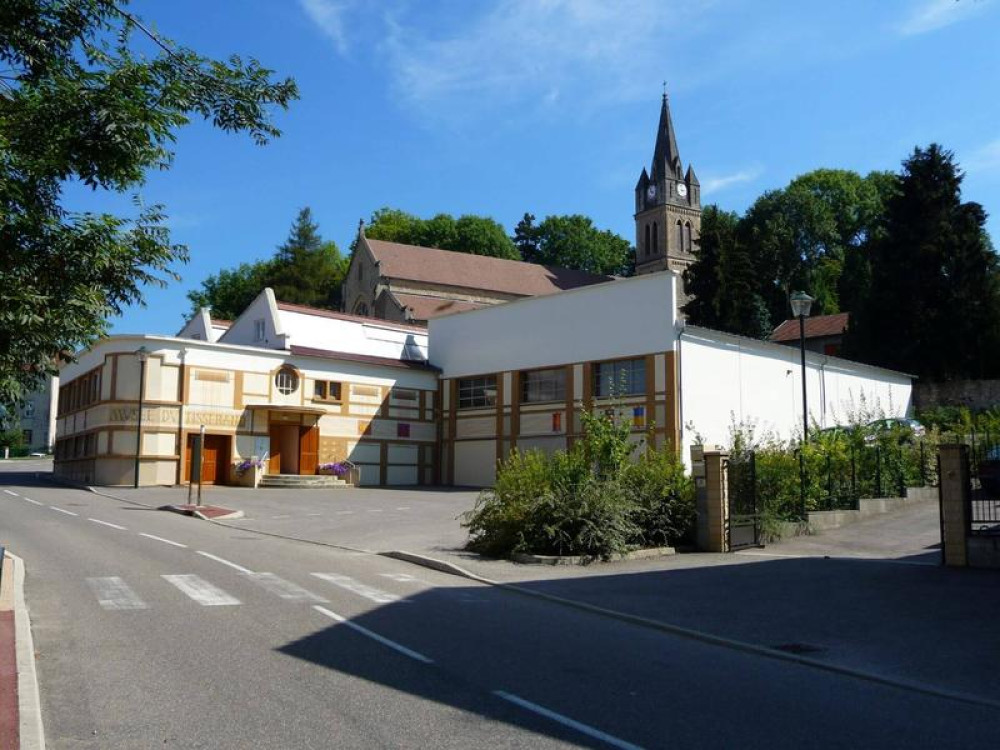
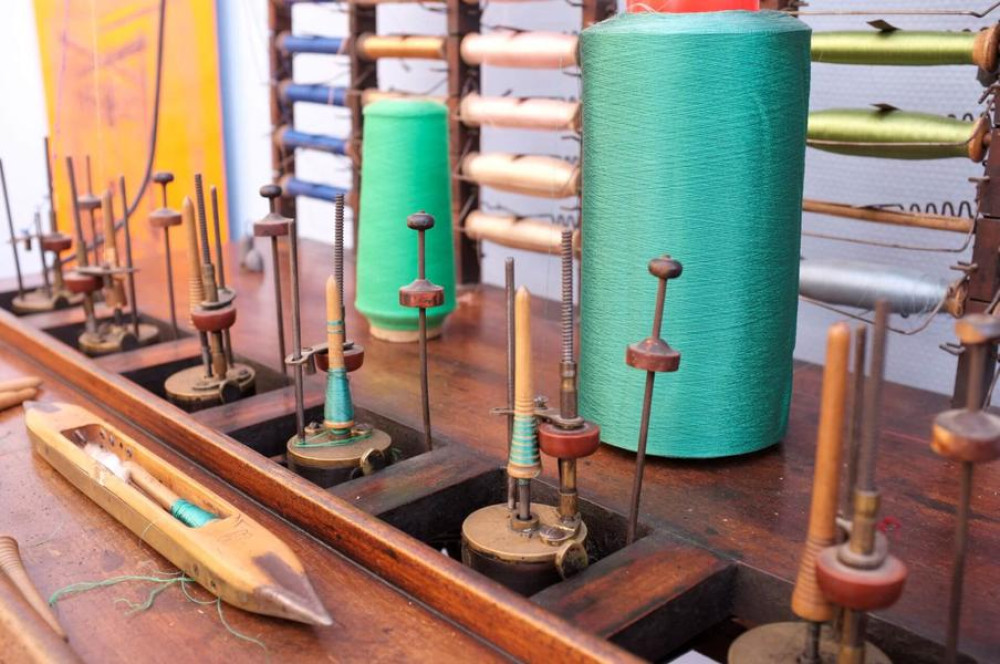
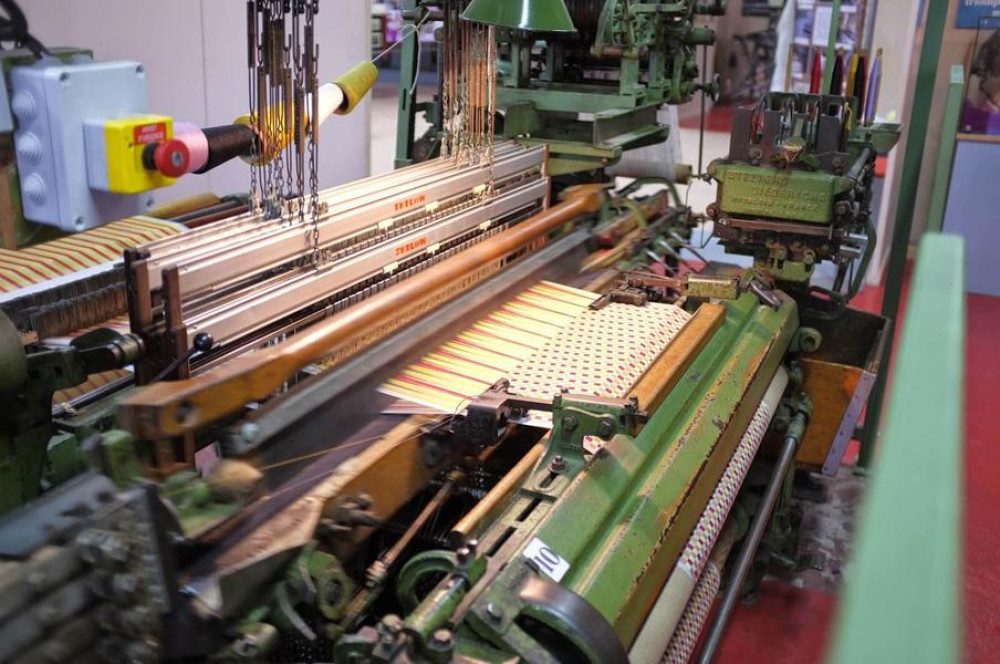
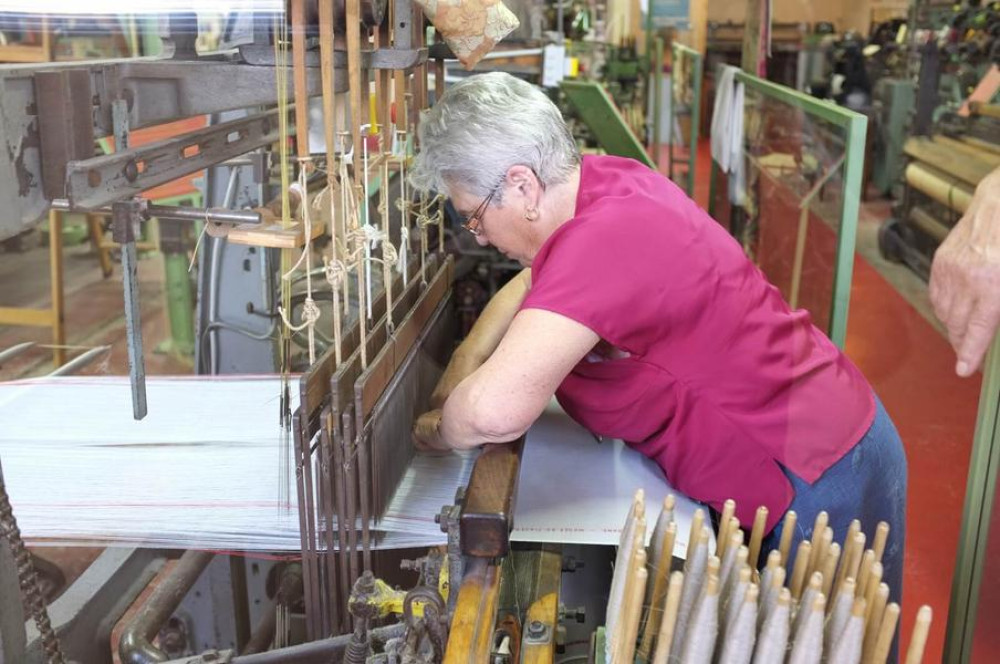
In a former weaving factory are presented more than 200 years of silk weaving History.Set up in a former weaving factory, this museum presents a unique industrial heritage that bears witness to more than 200 years of textile history in the Nord-Dauphiné region.
This technical museum keeps alive the memory of those who worked (and still do) this marvelous fabric that is silk. The hand looms and mechanical looms come back to work to let you discover, during your visit, the confection of prestigious fabrics such as Broché, Damas or Lampas.
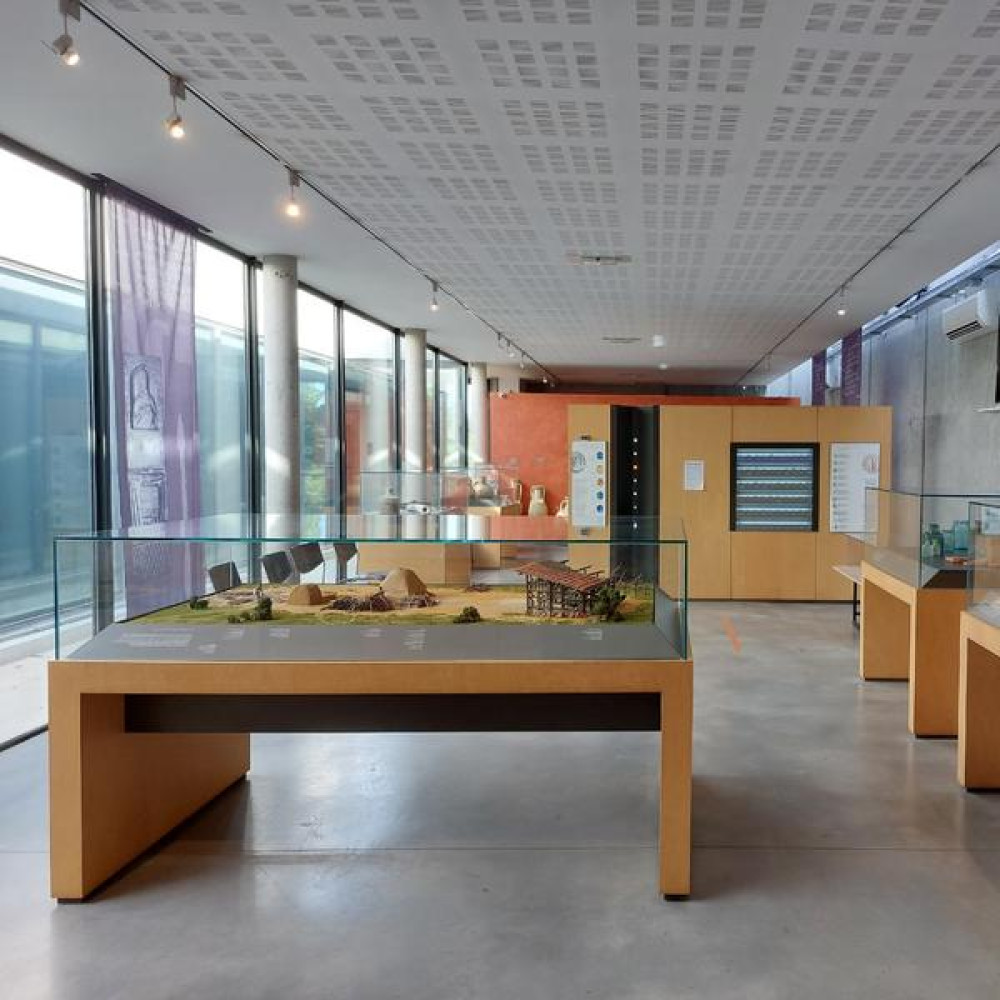
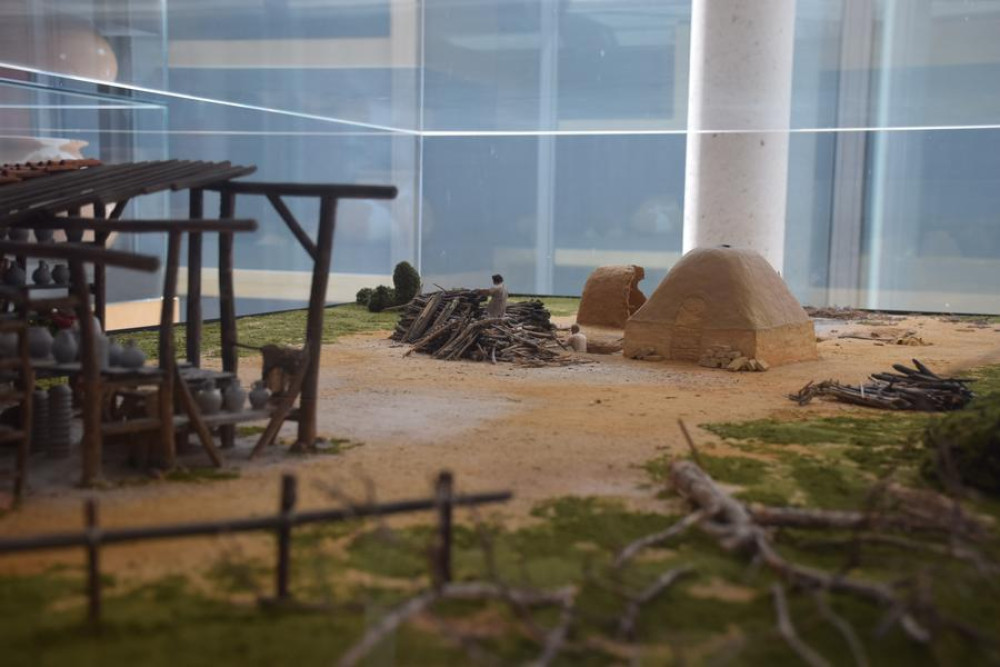
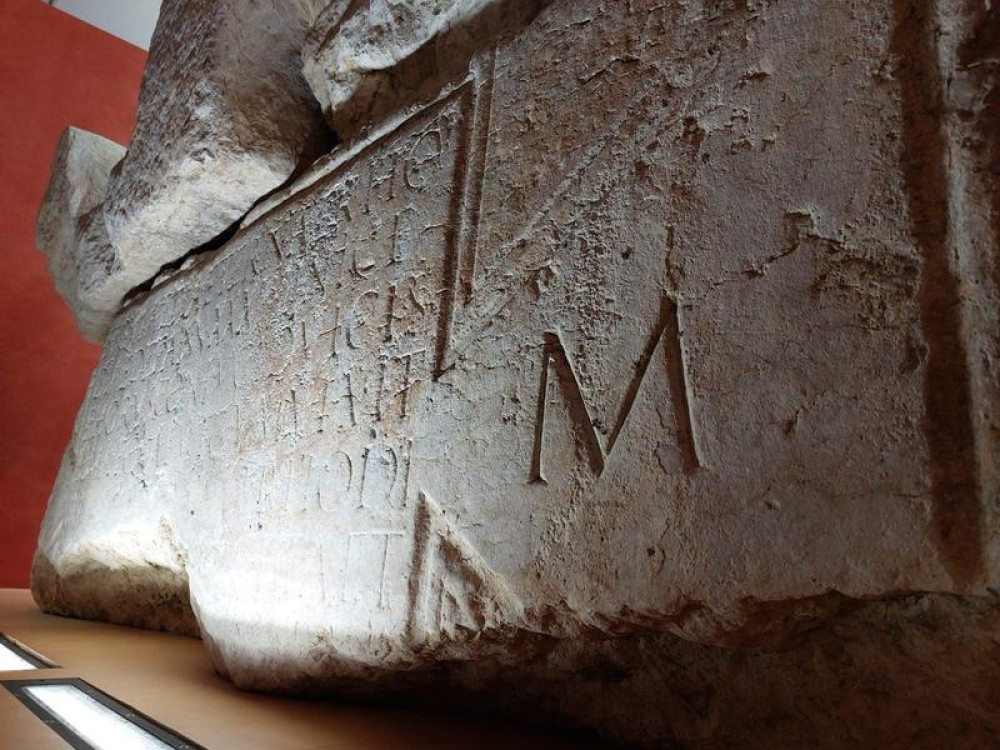
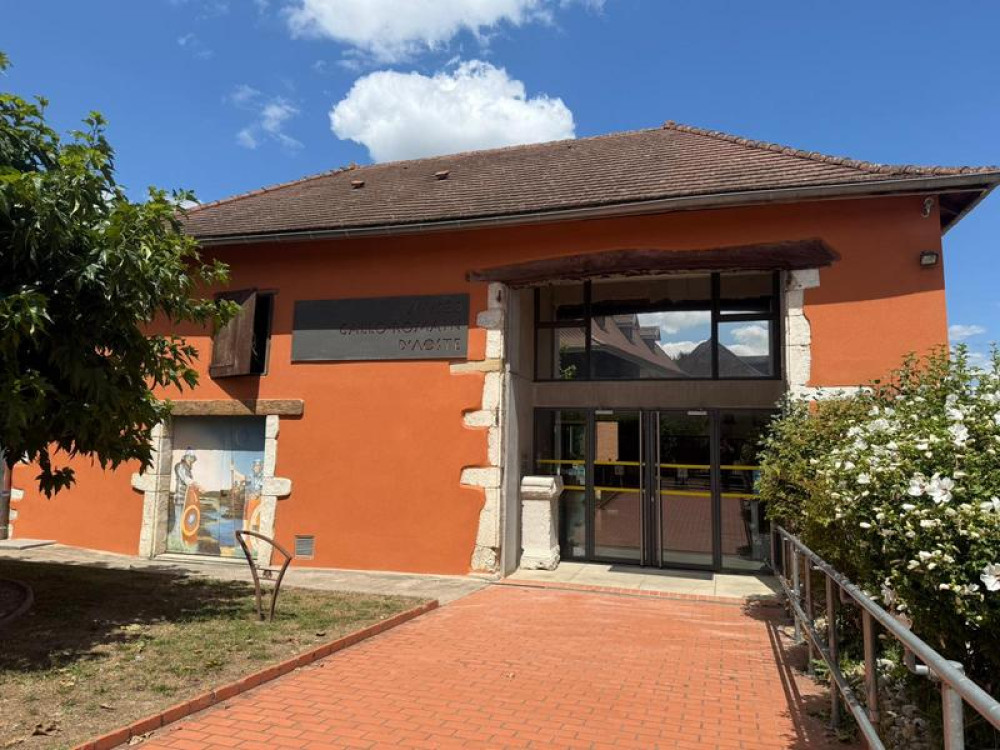
Learn about the everyday life in the ancient city of Vicus Augustus. A thematic and educational journey illustrated with a 2000 years collection of antique ceramics and glass objects.AUGUSTUS VICUS
The confines of existing departments of Isere, Savoie and Ain, Aosta is a Gallo-Roman town.
The ancient name of Aosta, Vicus Augustus, was given to the city in honor of Emperor Augustus (27 BC. - 14 AD. BC), as usual for new towns.
Today, a museum is entirely devoted to the history and life of this agglomeration of Roman Gaul.
The museum
The history of excavations in 1856 until the inauguration of its new version in 2000, the gallo-roman museum of Aosta has a very nice set of archaeological objects and testimonies found on the town of Aosta and its surroundings. A continuous path immerses the visitor in the lives of our Gallo-Roman ancestors there 2000 years. Large and small back in time and find beautiful pieces of ceramics and glass, including jewel, the ewer, shines among mortars, local productions, or the inevitable jars containing imported products (wine, oil, dried fish). Achievements very teaching, such as models or the kitchen table, invite anyone enters this place follow the footsteps of Roman time a trip.
Manual workshops on the Antiquity theme on saturdays and during school holidays or for a birthday parties. Programs available at Tourist Office and at the Museum.
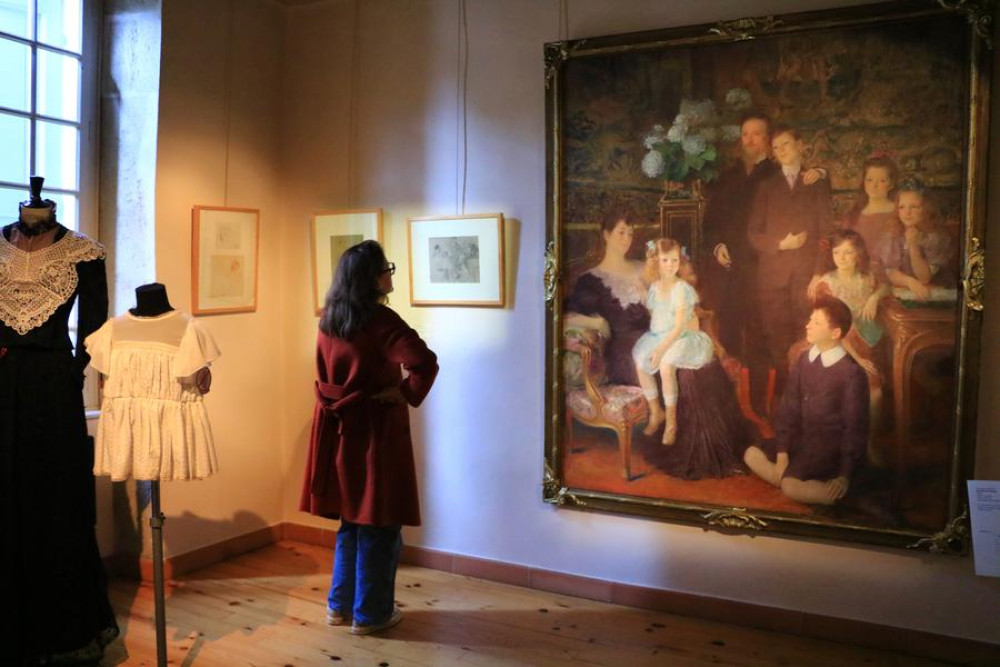
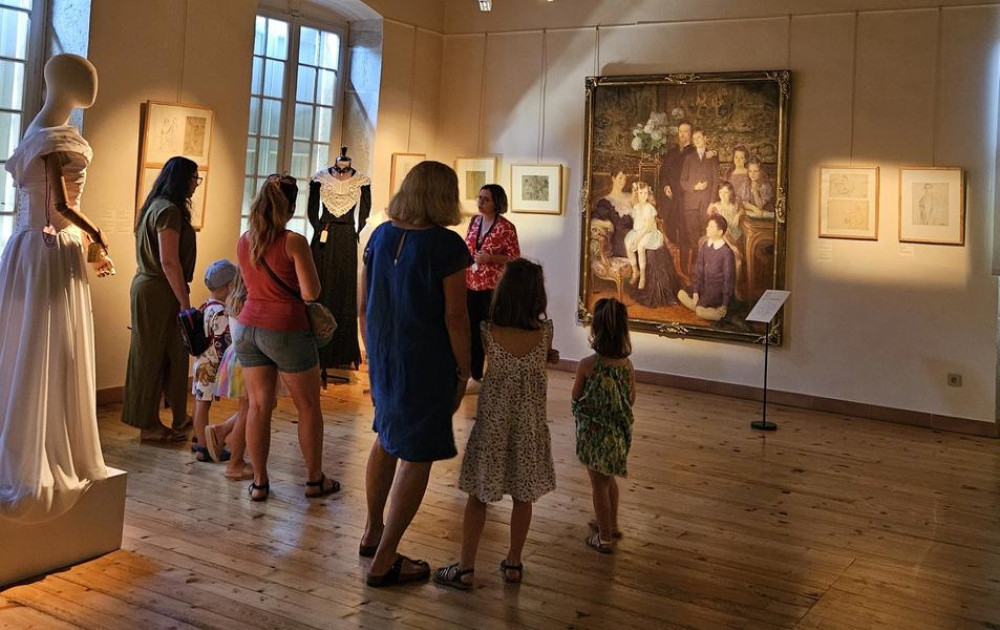
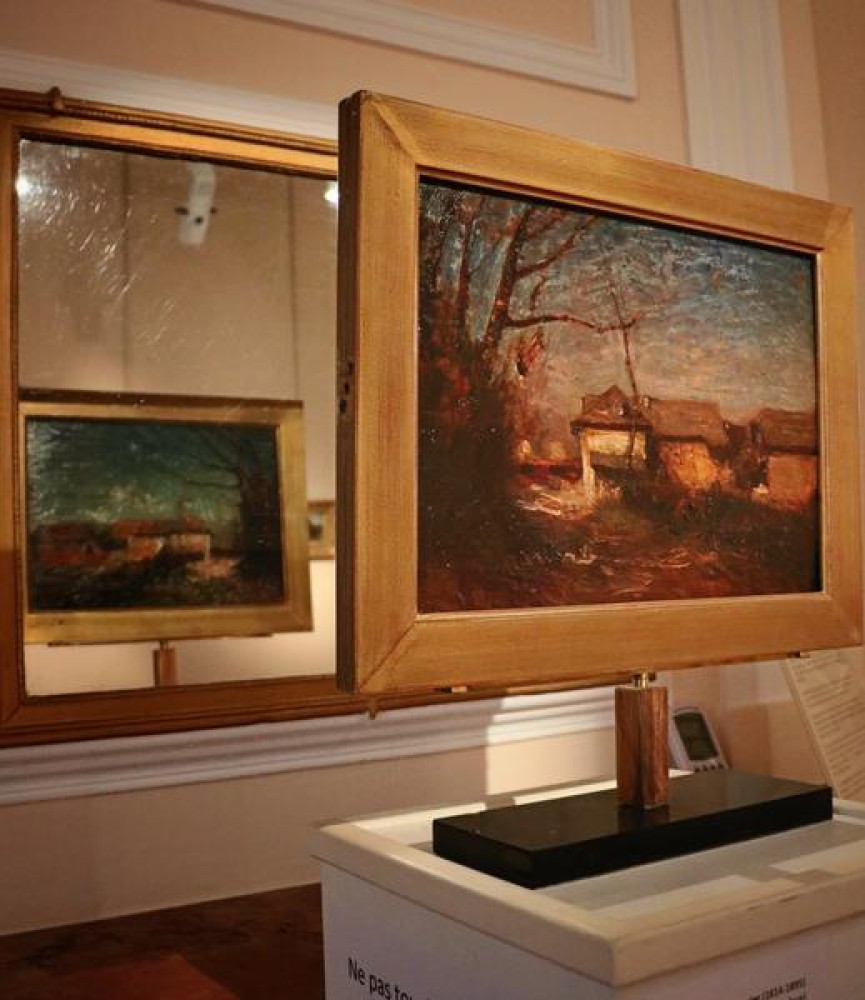
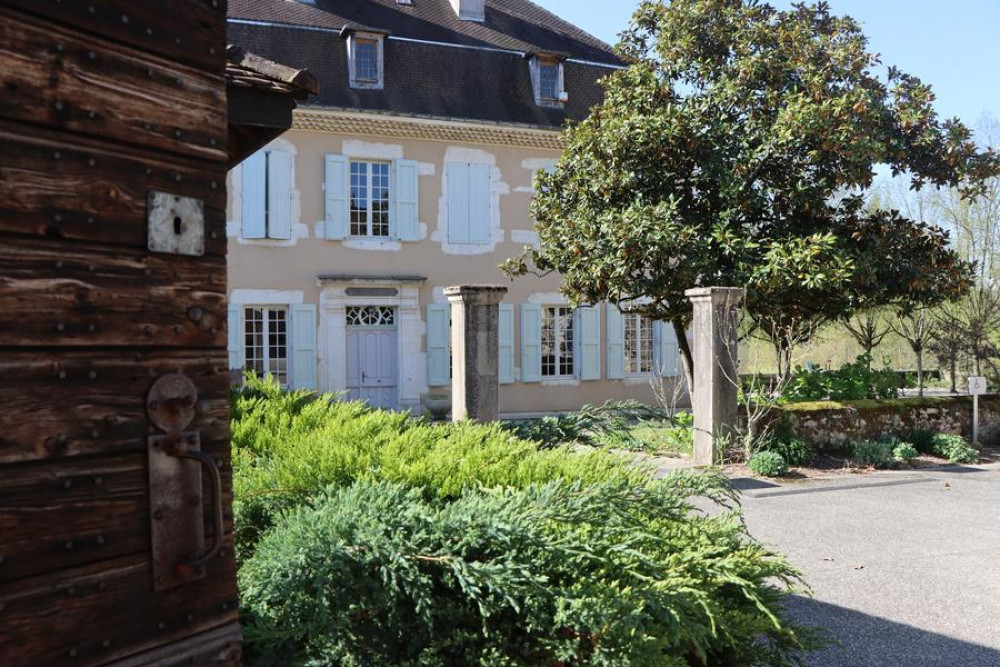
Located in the old town of Morestel, the Maison Ravier celebrates the work of pre-impressionist painter François Auguste Ravier. Designated a ‘Maison des Illustres’, this museum boasts a unique collection and a beautiful view of the surrounding area.Nestling in the hills above Morestel, the Maison Ravier invites visitors to immerse themselves in the world of pre-impressionist painter François Auguste Ravier. Attracted by the unique light of the region, the artist spent the last twenty-eight years of his life here, masterfully transcribing the subtle variations of dawn and dusk.
Today, this municipal museum has retained all its charm of yesteryear and houses a collection dedicated to Ravier, a precursor of Impressionism, and his painter friends. The Maison Ravier has also been awarded the ‘Maison des Illustres’ label by the French Ministry of Culture.
Every year, from April to October, the Maison Ravier hosts temporary exhibitions featuring other talented artists, enriching the cultural experience of visitors.
In addition to its artistic interest, the Maison Ravier is a remarkable example of eighteenth-century architecture. The property is distinguished by its harmonious proportions, with a magnificent porte cochère porch, affirming its noble character. Its three-sloped mansard roof, covered in typical Dauphiné flaked tiles, is a distinctive feature that reflects the affluence of its original owners.
The ensemble is enhanced by a terrace planted with lime trees and a garden offering uninterrupted views of the Bugey and Chartreuse mountains, as well as the Belledonne and Vercors ranges. This exceptional setting makes it a must for lovers of art, history and heritage.

In the past, this site was an alkaline swamp through which the Save flowed. Locals came here to harvest the hay from the wetlands and collect peat to heat their houses.Today, following the re-routing of the Save and the industrial exploitation of peat for horticulture, the swamp disappeared, giving way to a succession of lakes on both sides of the Save.
There are more than 745 species surveyed, some with strong heritage value, like the Purple Heron (Ardea purpurea), the Least bur-reed (Sparganium minimum), and the European pond turtle (Emys orbicularis).
The landscape is marked by its geological history. One of its peculiarities is the presence in a same place of a rocky outcrop polished and streaked by the Würm glacier, of moraine deposits and of ancient peat, which allow the history of the last glaciation to be traced.

 Isère Outdoor - Trace - A colourful trip through the Dauphiné valleys