
On the Eastern Balcony of the Vercors, Gresse-en-Vercors is a summer-winter village resort with a unique and endearing setting.
Ideal for sporty, contemplative or all-round families, its varied activities are a delight for all.As a municipality in the Vercors Regional Nature Park and the HautsPlateaux Nature Reserve, and as a stopover on the Grandes Traversées du Vercors, you'll be amazed by the diversity of its panoramas.
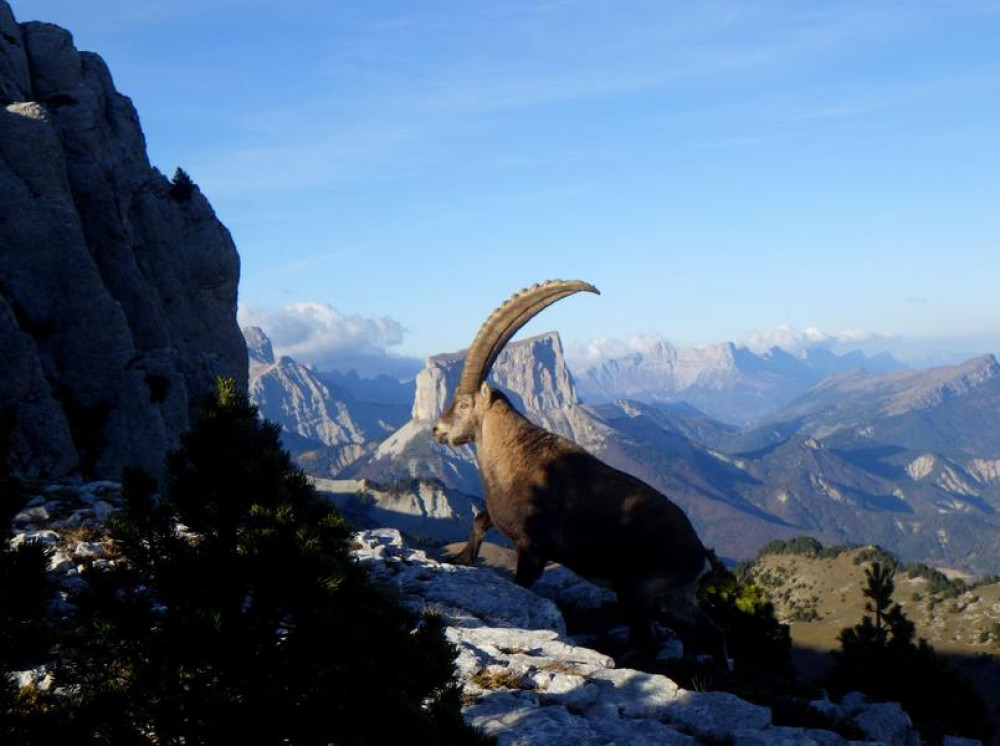
You can admire the Grand Veymont (the highest peak in the Vercors at 2341 m), and the majestic Mont-Aiguille, or take a hike along one of the many steps that line the high cliffs on the eastern edge of the Vercors, on the Hauts-Plateaux, a land of adventure and commitment.
From the top of the mountain pastures or the Balcon-Est trail, you'll discover the hills of the Trièves, and a superb view from Mont-Blanc to Ecrins, from Chartreuse to Dévoluy.
The unspoilt village of Gresse en Vercors offers torrents, forests, mountain pastures and meadows. It's the ideal setting for a reunion, a relaxing break, a change of scenery, a dream to be savored with family, friends or on your own for a day, a weekend or a vacation.
Move a lot, do nothing at all, breathe above all !!!!! Gresse en Vercors is the destination of your dreams.


Period of opening : From 09/04 to 31/05/2022
Opening hours on Tuesday, Wednesday, Thursday, Friday and Saturday between 9.30 am and 12.30 pm.
From 01/06 to 06/07/2022
Opening hours on Tuesday, Wednesday, Thursday, Friday and Saturday between 9.30 am and 12.30 pm and between 3 pm and 6 pm.
From 07/07 to 31/08/2022
Opening hours daily between 9.30 am and 12.30 pm and between 2.30 pm and 6.30 pm.
From 01/09 to 30/09 between 9.30 am and 12.30 pm.
Closed Monday and Sunday.
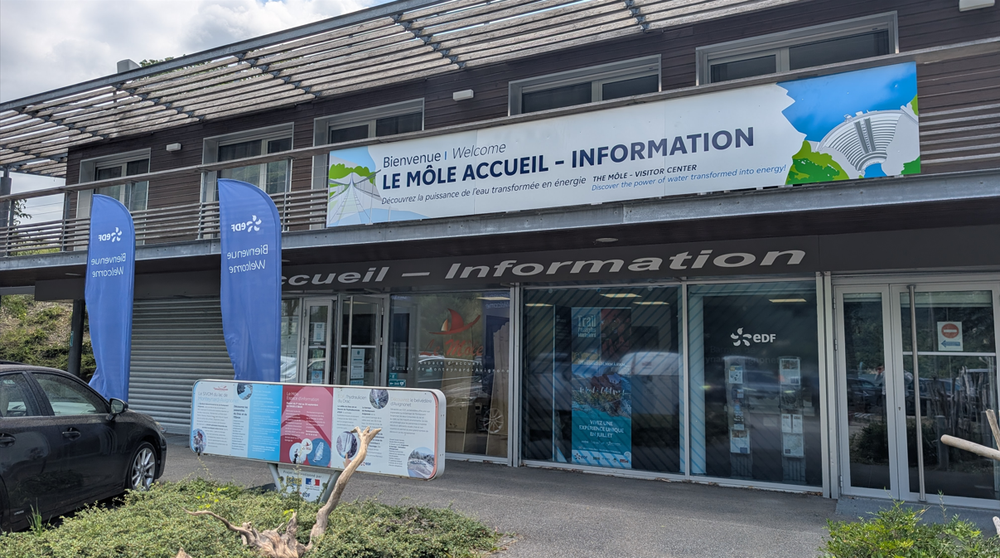
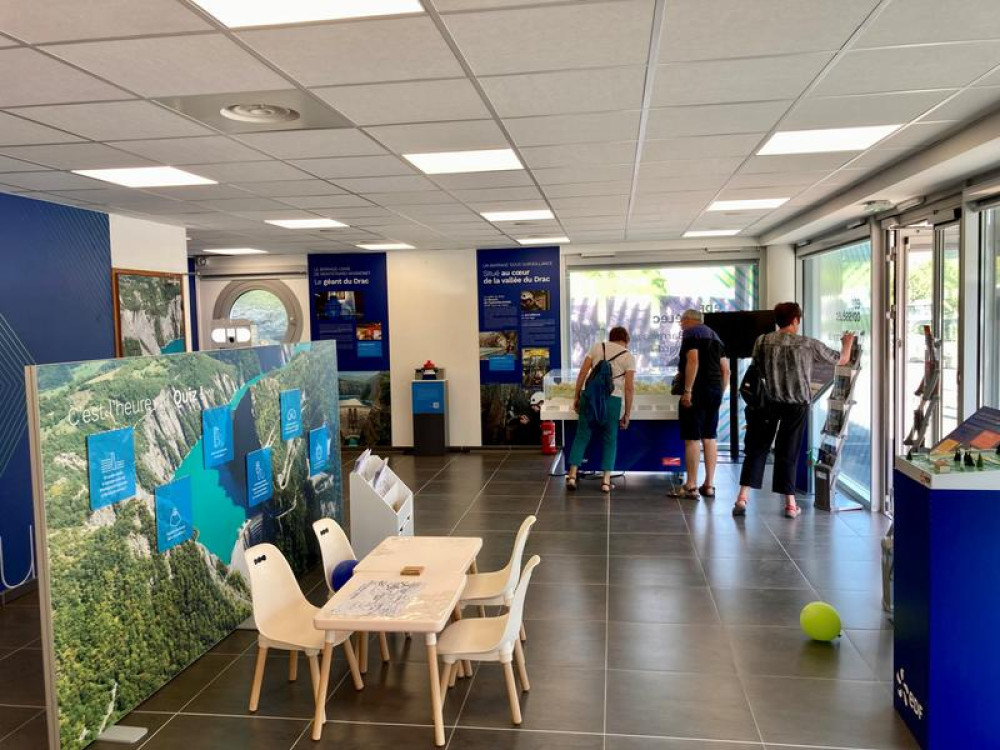
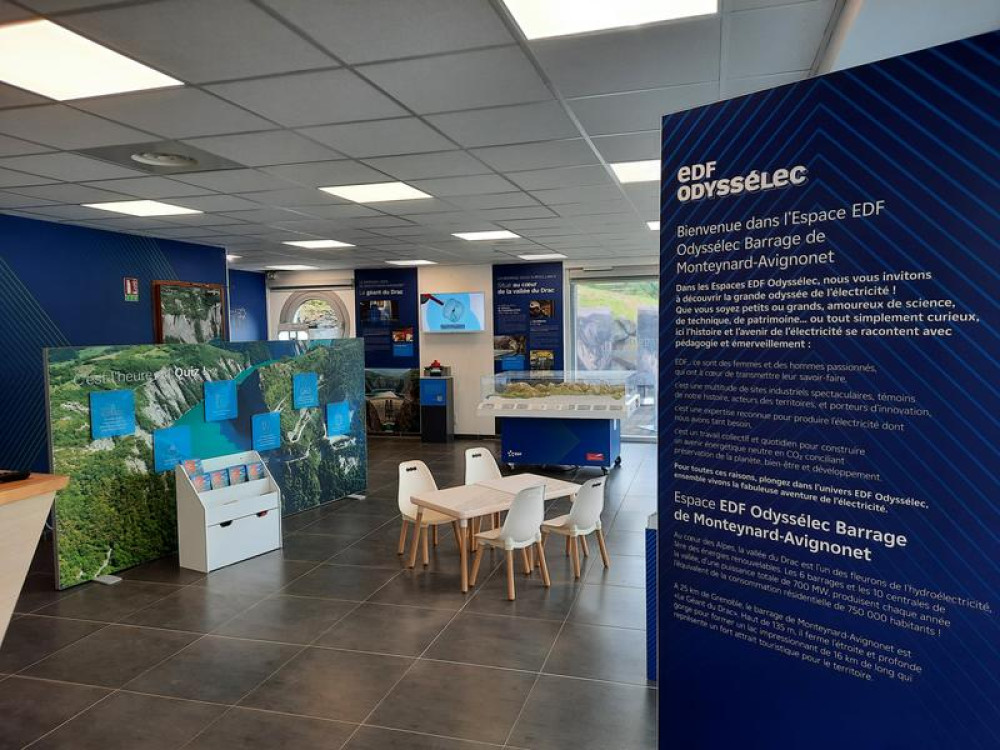
In the Môle building (a 60 m² exhibition space dedicated to EDF's activities in the Drac valley), on the shores of Lake Monteynard-Avignonet, this information point provides information about the lake and its surroundings.
In Chichilianne, gateway to the Hauts-Plateaux du Vercors, the tourist information point provides information on the village and its hamlets, the Trièves, Mont-Aiguille, the Pnr du Vercors, the National Nature Reserve and the neighboring Diois area.The high ridges, the man-made landscape, the history of the Resistance at Pas de l’Aiguille, and the expertise of those who welcome you make Chichilianne a wonderful destination, a living link between Diois, Trièves, Vercors, and Dévoluy—a stop on the Grand Tour du Vercors, the GTV trails, and the Huguenot Trail.
At Les 4 Saisons, a visit to the information center at one of the “Porte des Hauts Plateaux” sites allows you to plan your walks and hikes, particularly in the Vercors Highlands, the entire Trièves region, and the neighboring Diois, to learn about the management of the national nature reserve, and to understand pastoralism and the local rural economy.
The Relais serves as a hub for promoting the iconic rural landscapes of Trièves and Vercors.
If needed, feel free to send an email—we always respond!
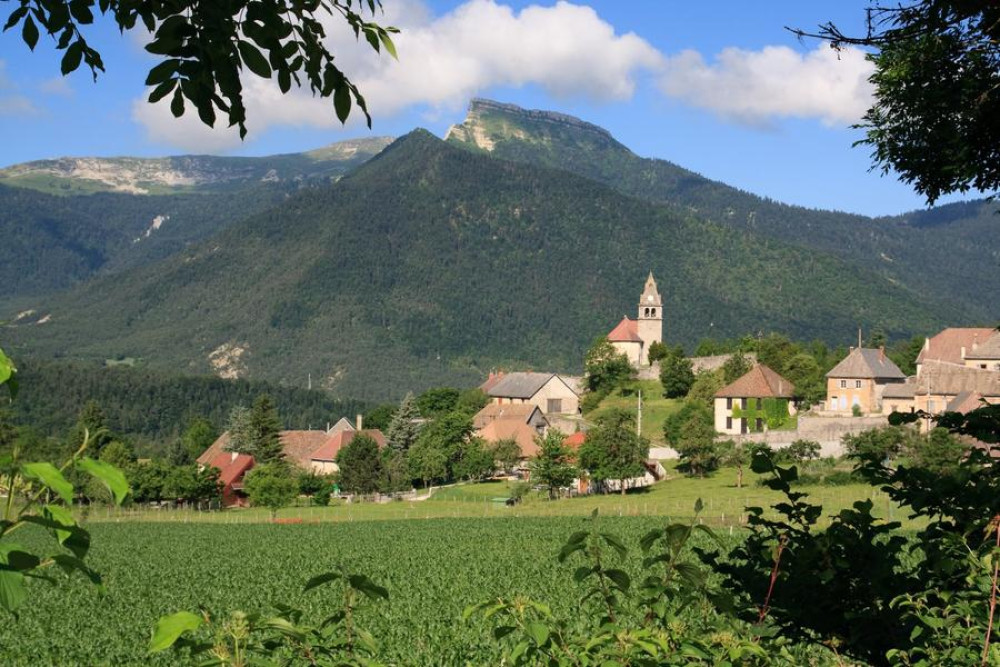
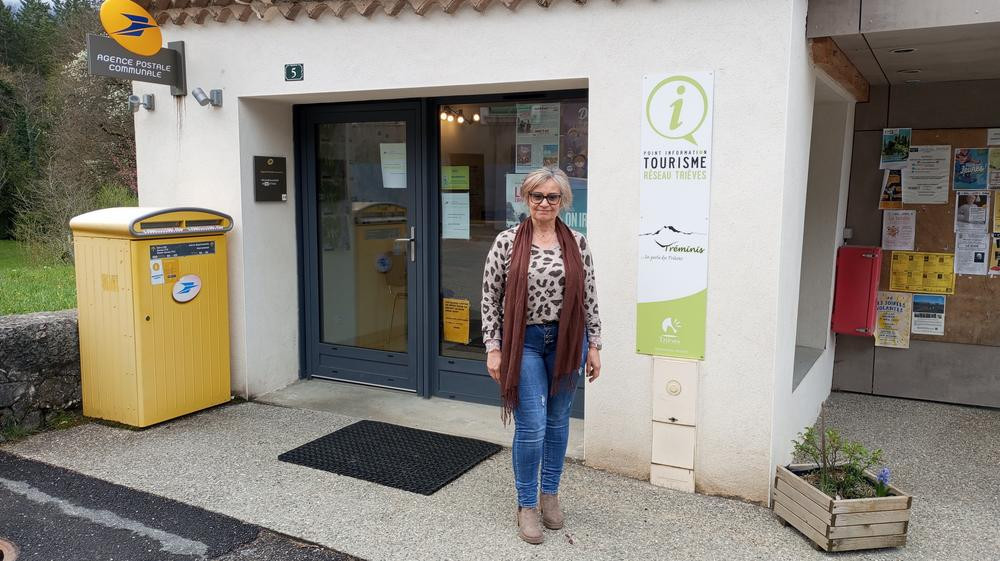
At the Tréminis post office in Château-Bas, Caroline has brochures about the Trièves region available and can provide you with information about Tréminis and the surrounding area.Known as “the pearl of the Trièves” and nestled at the foot of the Grand Ferrand, Tréminis is the southernmost town in the Isère department.
As the starting point for numerous hiking trails in the Dévoluy mountain range, the town now attracts an increasing number of vacationers who come to recharge and enjoy the magnificent landscapes of the Trièves.


Period of opening : From 15/12 to 15/03.
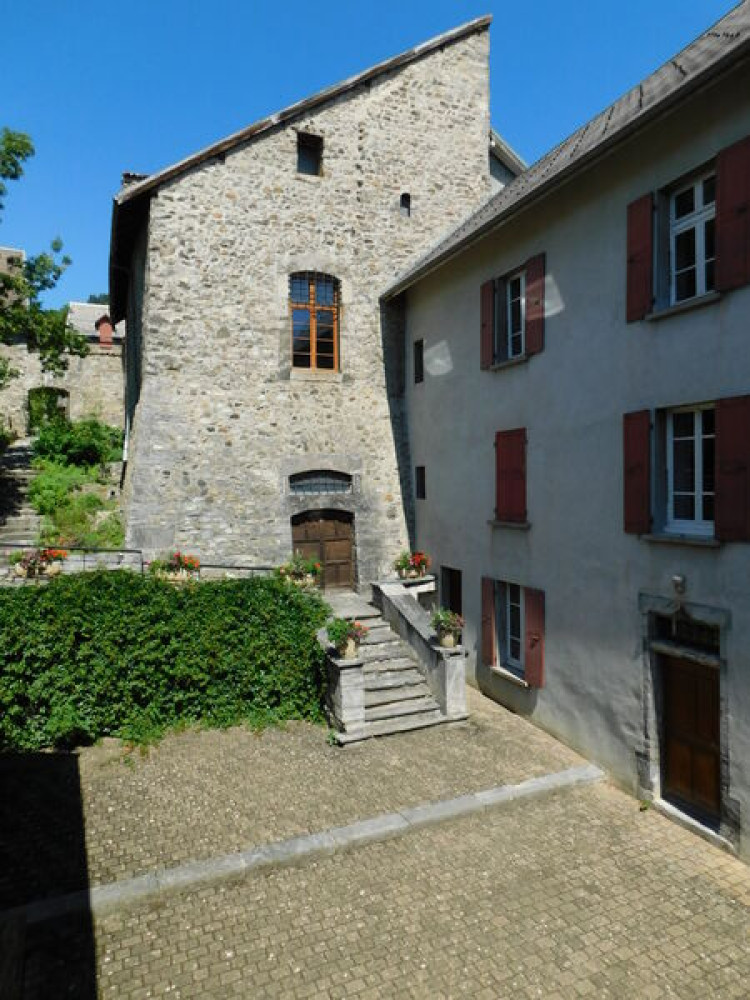
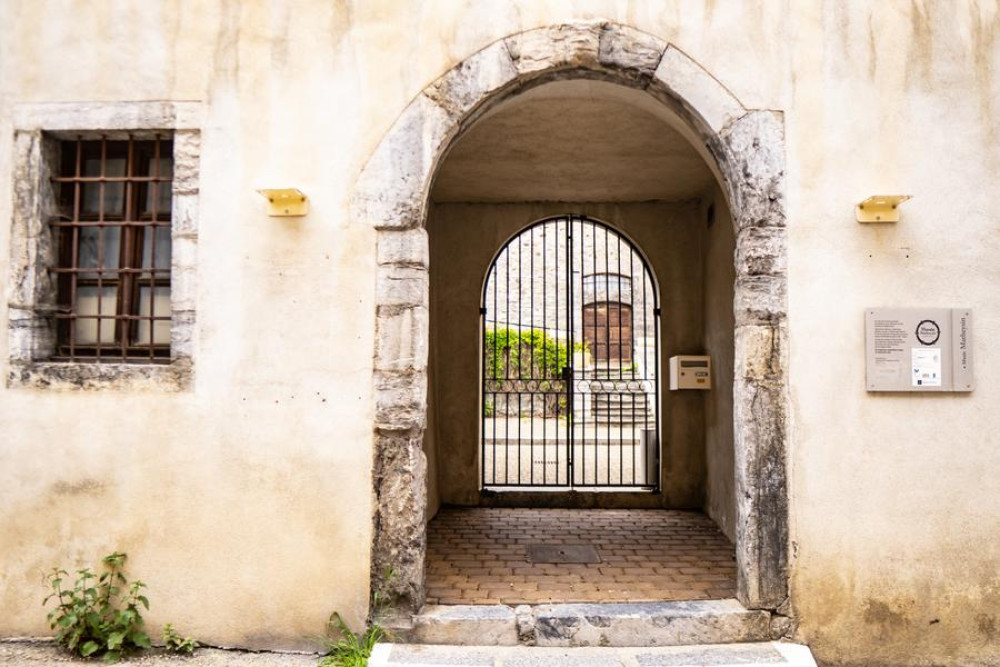
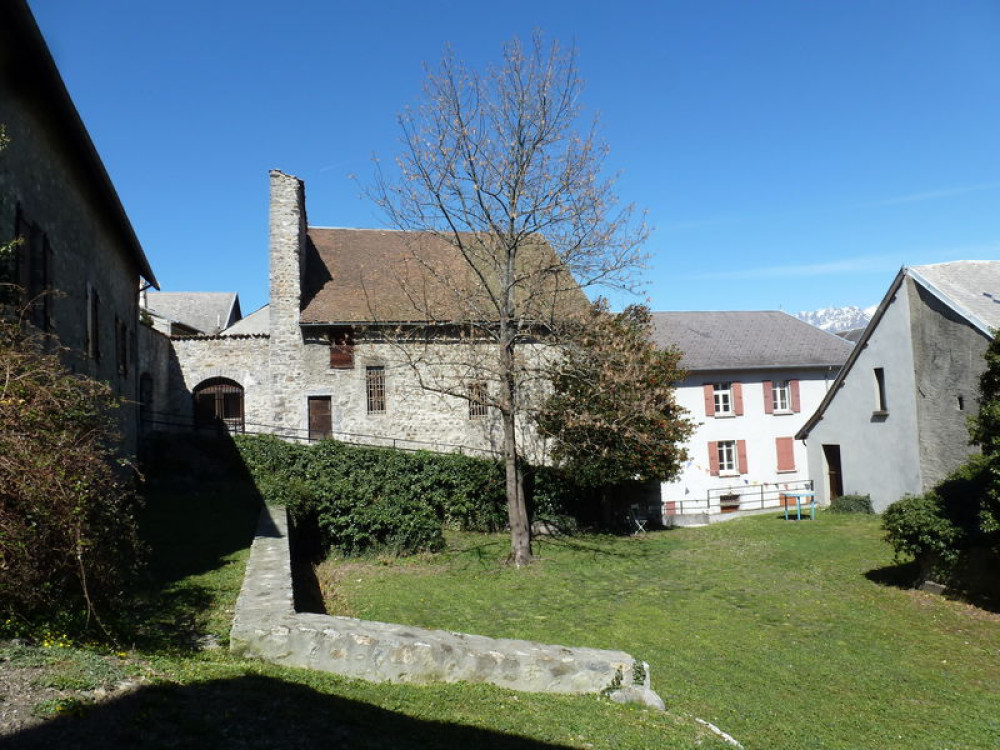
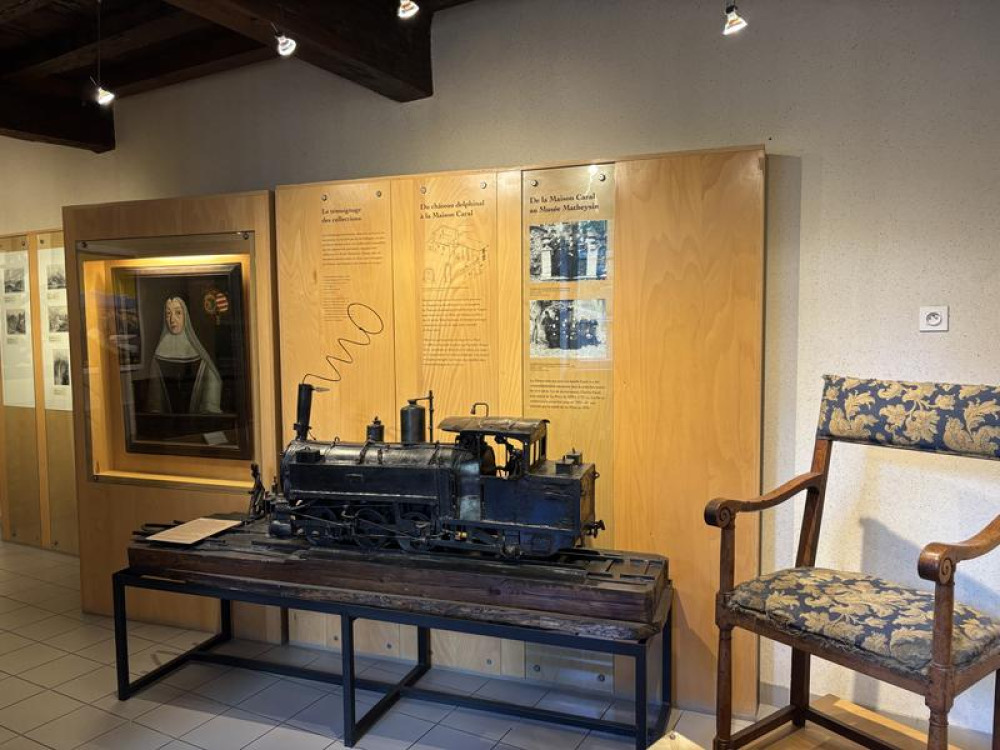
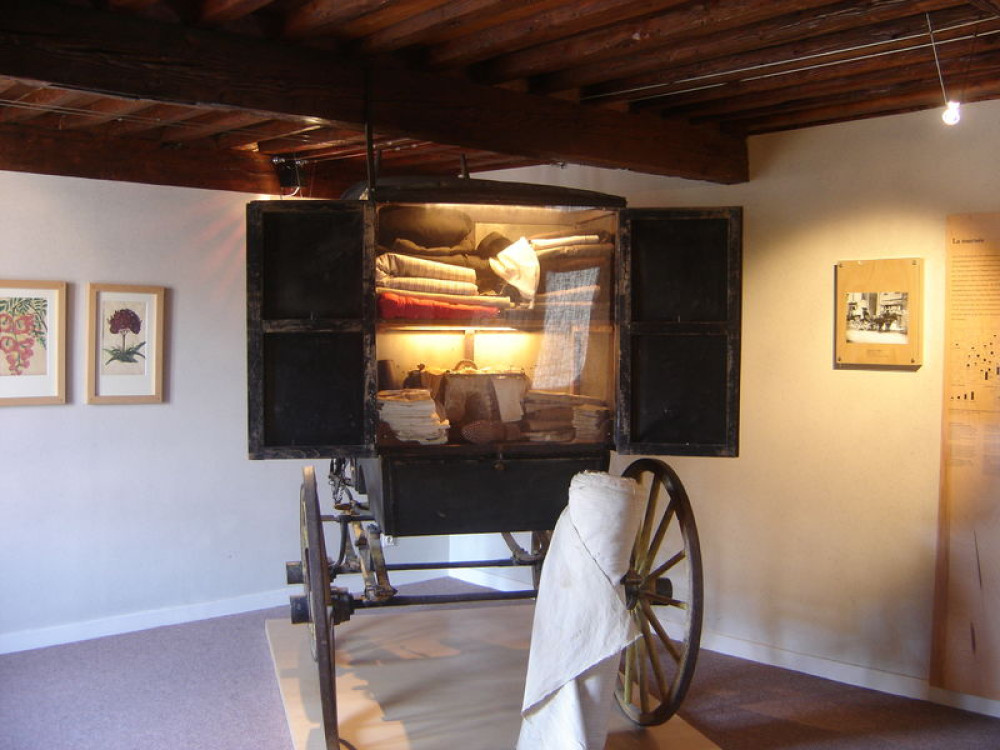
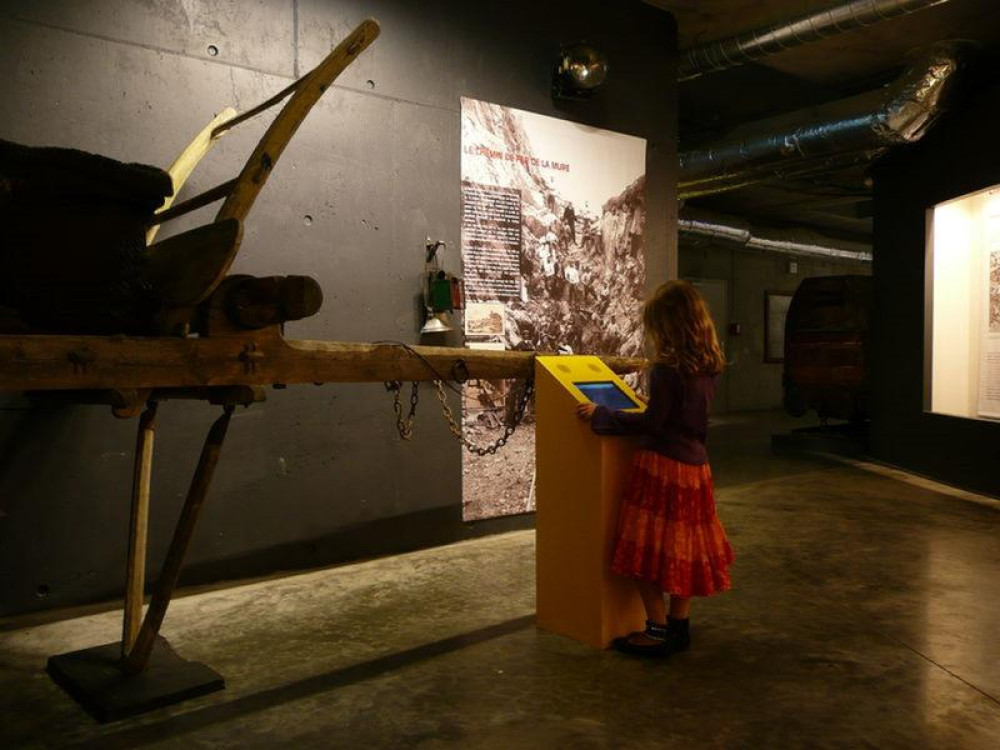
Located in the oldest house of La Mure, the museum explains the history of Matheysine and its inhabitants, through exhibition of objects, maquettes and pictures.In the heart of the old town there is the Maison Caral, home to the Musée Matheysin since 1994. La Mure’s museum houses collections relating to the Matheysine plateau, and the nearby Beaumont and Valbonnais areas. Archeology (prehistory, Roman Gaul and medieval periods) and the Wars of Religion (the Siege of La Mure in 1580) give way to rooms devoted to anthracite mining, peasant life, glove-makers and itinerant peddlers. These used to be the trademark activities of this mid-Alpine region. The last few rooms feature sculptors and painters of the region in the 19th and 20th centuries. Since 2012 part of the museum has displayed the work of abstract painter Claude Garanjoud (1926-2005). Exhibits also include the exhibition dedicated to Olivier Messiaen, a summer visitor to the Matheysine for more than 50 years. And each season the museum offers a new temporary exhibition.
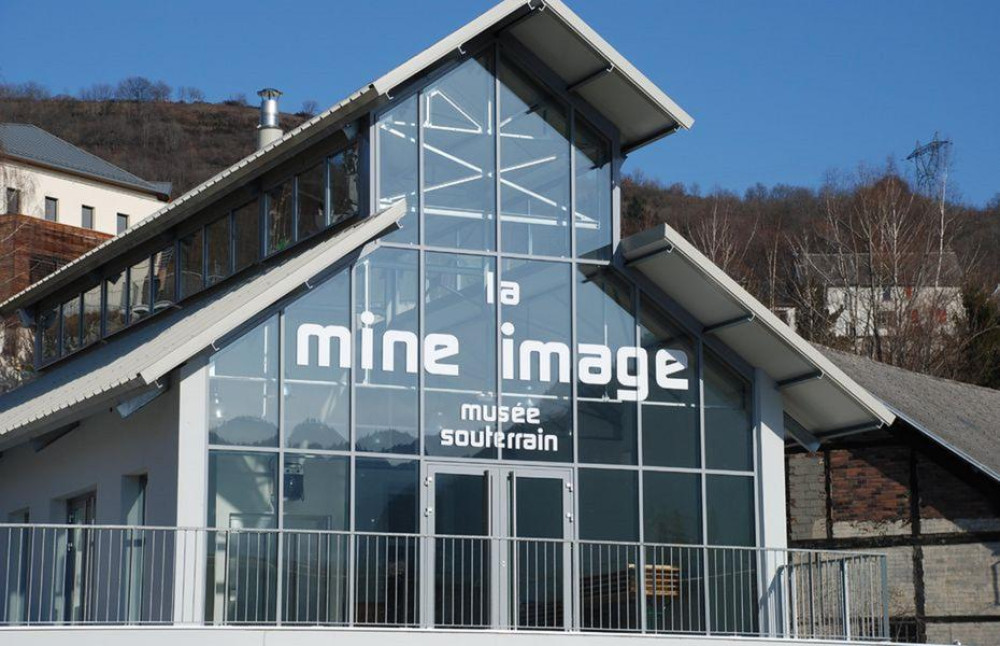
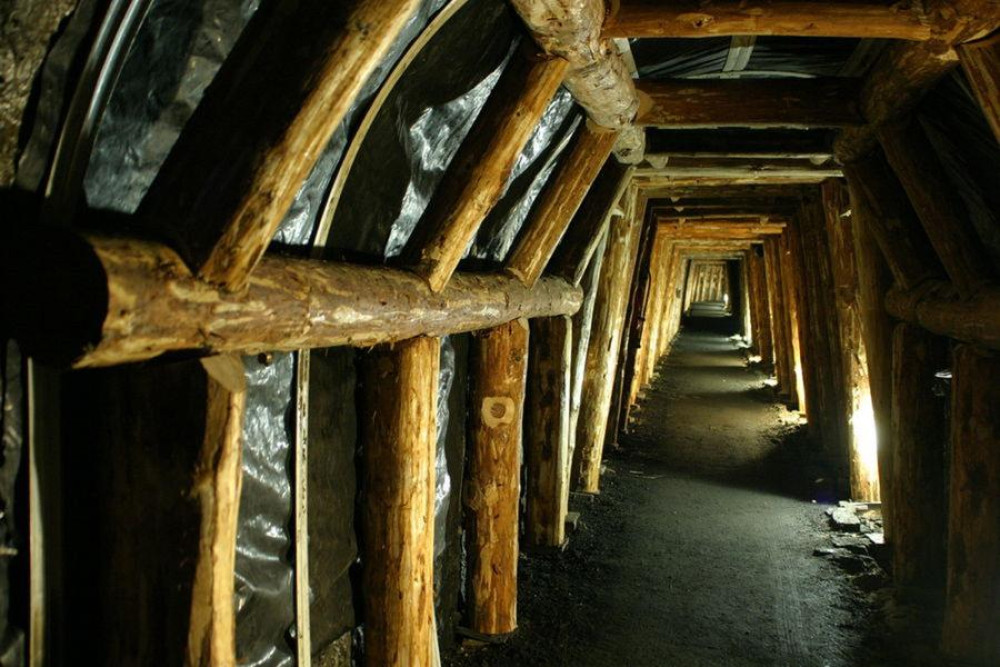
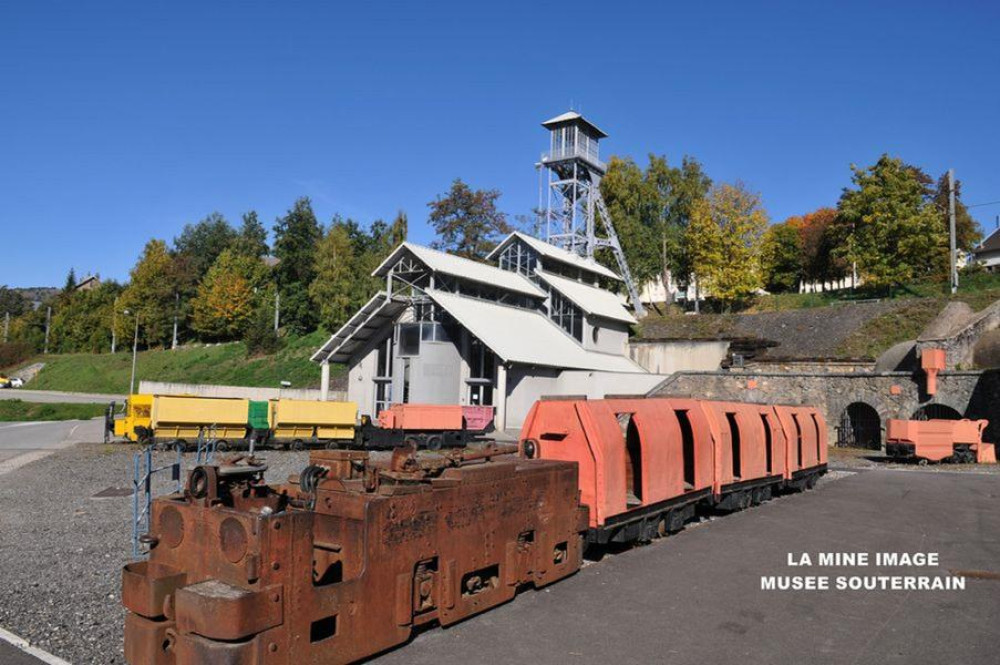
This museum is about the mining exploitation through the visit of the gallery, an exhibition and a film to tell you the story of miners.The anthracite mines from La Motte d'Aveillans created under Napoleon I and closed in 1956 was resurrected in 1986 by the Association Sauvegarde et Mise en Valeur du Patrimoine Mottois.. Several galleries of mineral extraction has been re-worked and open to visit.
A guide leads you through authentic galleries where you will follown 2 centuries of mineral exploitation, technics, material from different periods e work conditions of "Gueules Noires" on the Plateau Matheysin where the exploitation was definitively closed in 1997.
The exhibtion room of the museum will permit you to discover the Lampistery, the hanged room, day works, social universe of the mines and daily stuff of miners but also some beautiful mineral in the famous "treasure room".
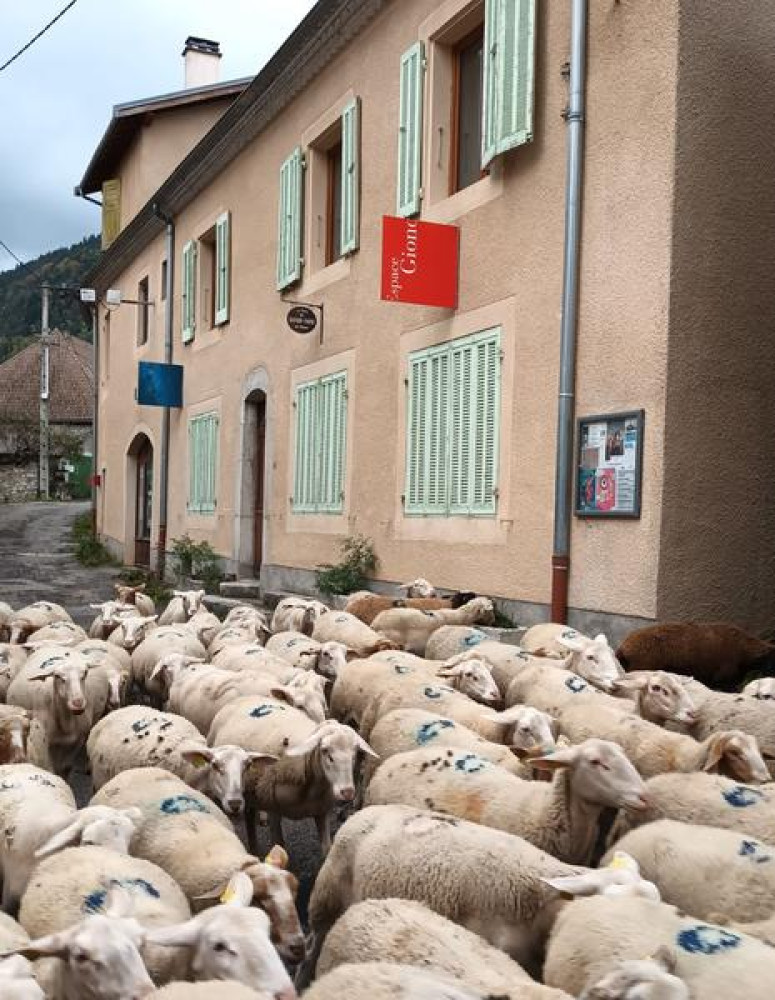
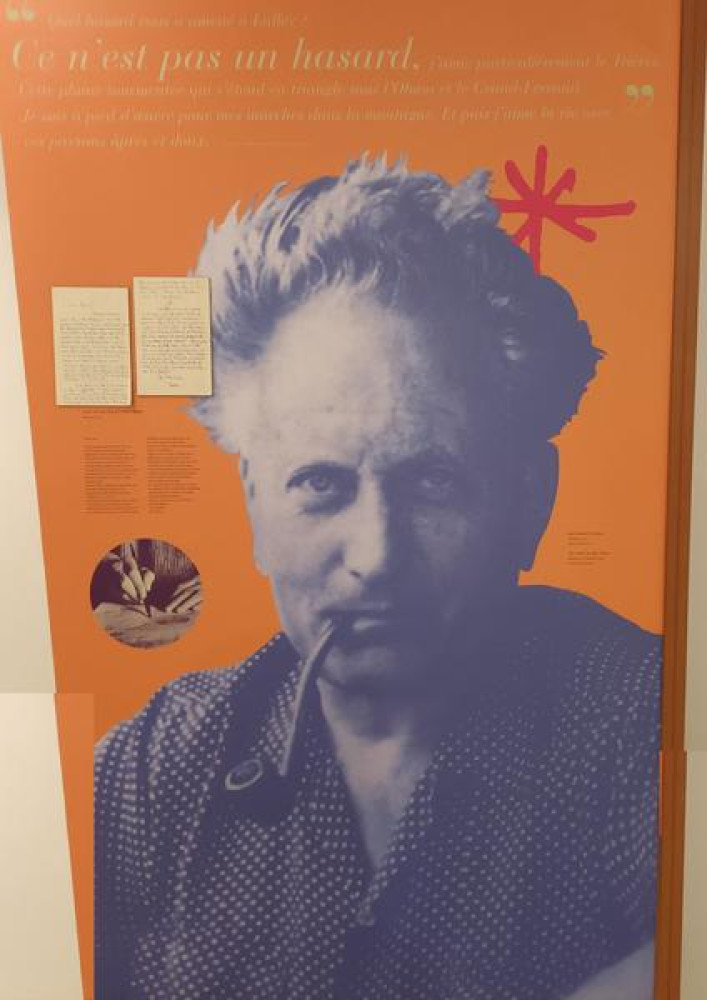
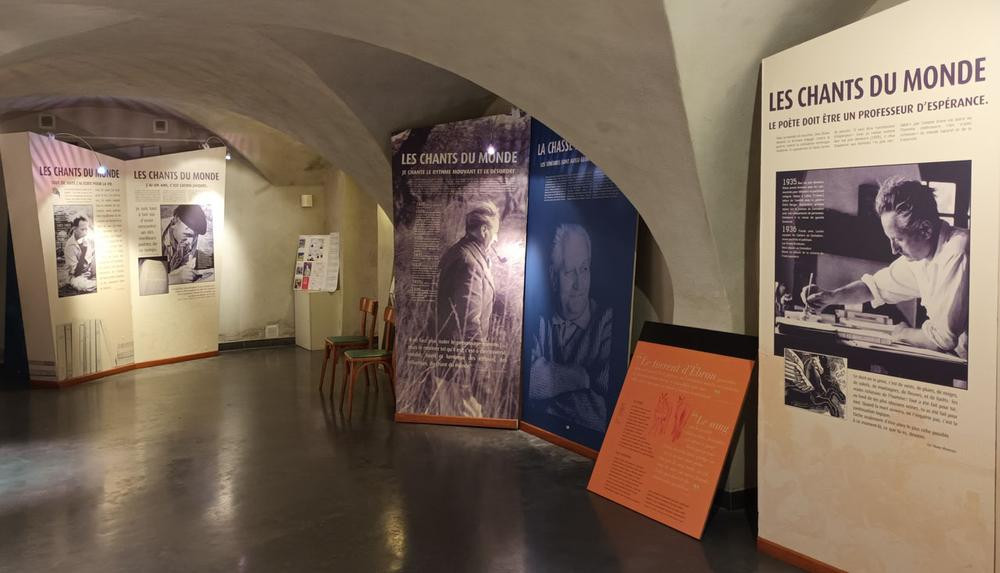
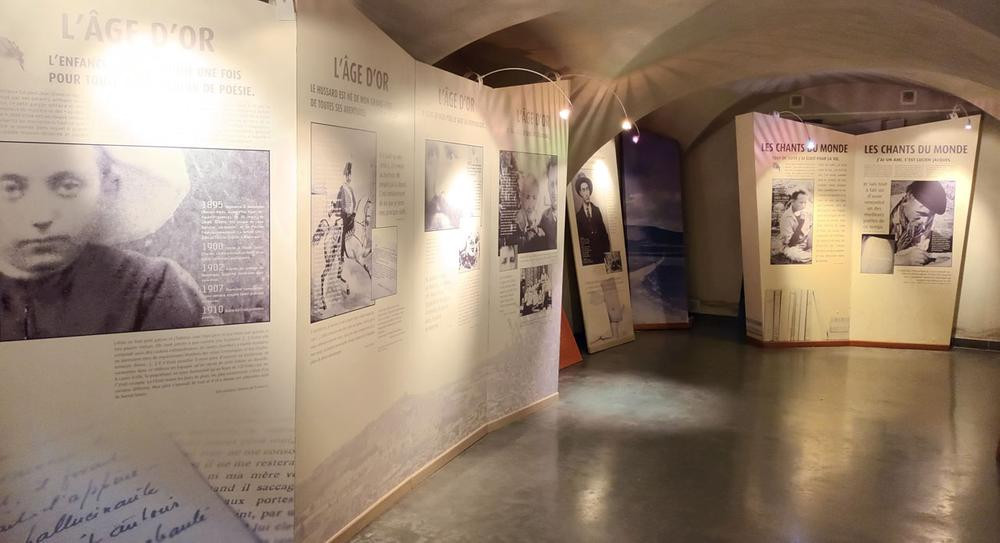
The Espace Giono is a place of remembrance for this writer, and an exhibition space for the works of Lalley painter Edith Berger.
A path invites you to discover the artistic universes of Edith Berger and Jean Giono through the landscapes of the Trièves.The Espace Giono is located in the very place where Giono lived during his various vacations in Lalley. It is a place of memory, where literature and writing play an important role, evoking the Trièves of the land, its farmers and its landscapes, described by Giono in his work.
Works by local painter Edith Berger are also on display.
The Edith Berger-Jean Giono trail invites you to discover the artistic worlds of painter Edith Berger and writer Jean Giono in and around Lalley, through the landscapes of the Trièves.
8 panels, each presenting a work by Edith Berger, accompanied by texts by Jean Giono, are installed along the 4.5km trail. Access to the trail is free, and maps are available at the trailhead.
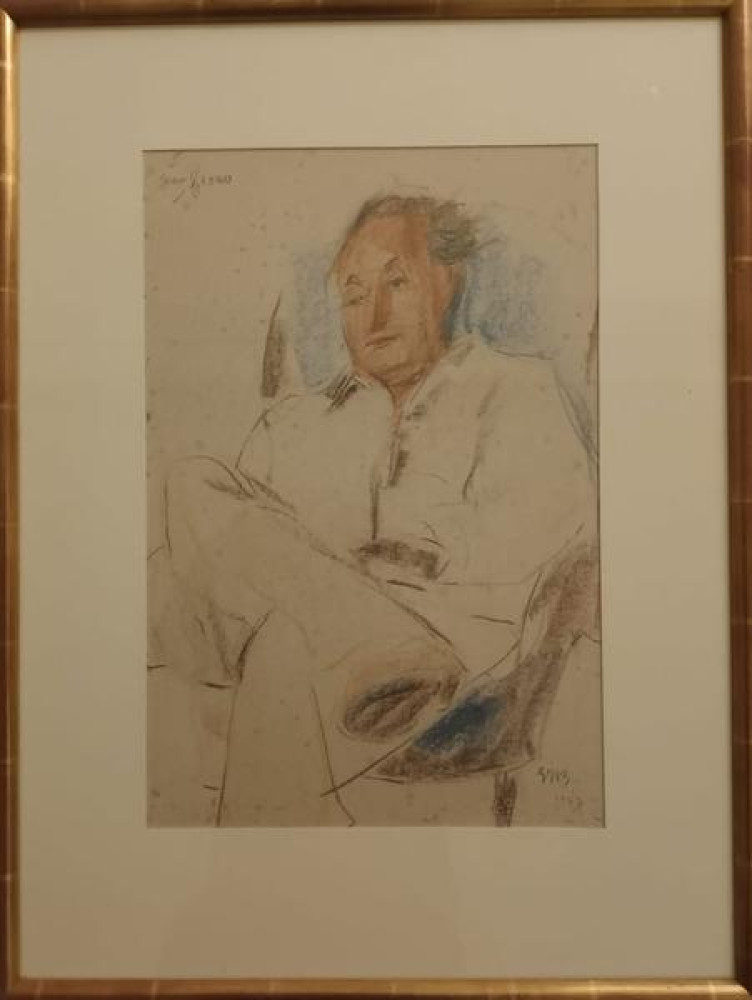
Echoing this is Lalley painter Edith Berger. Her oils and pastels take up the same themes dear to Giono's heart; her confident brushstrokes and palette of colors depict everyday life and the human and architectural heritage of Lalley and the surrounding area.
In addition to these permanent exhibitions, there is a space for temporary exhibitions, featuring paintings from here and elsewhere, figurative or contemporary, photos, sculptures and more, by artists from the Trièves.
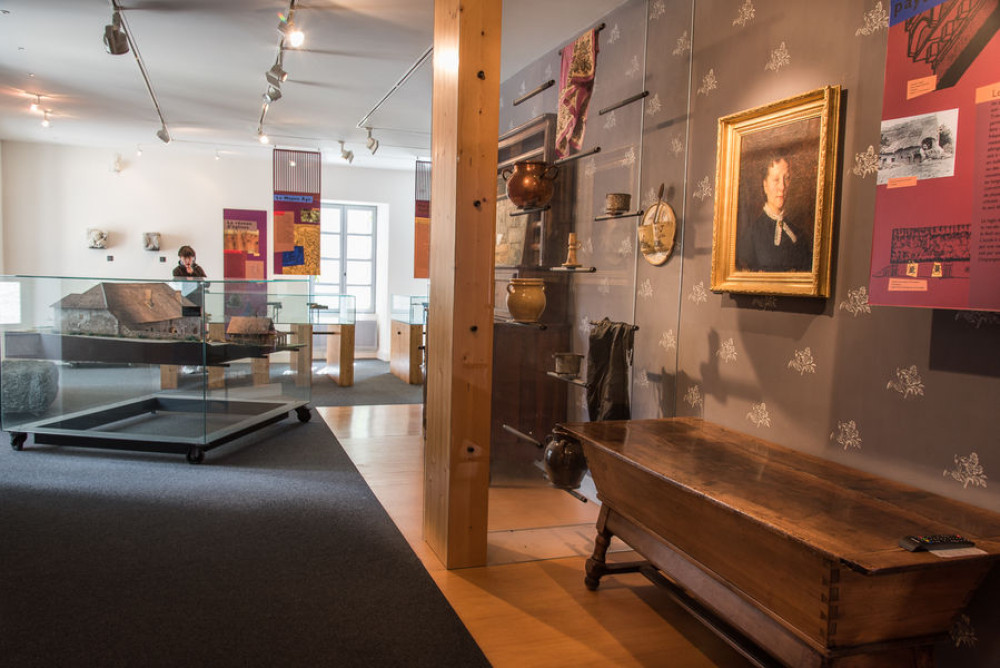
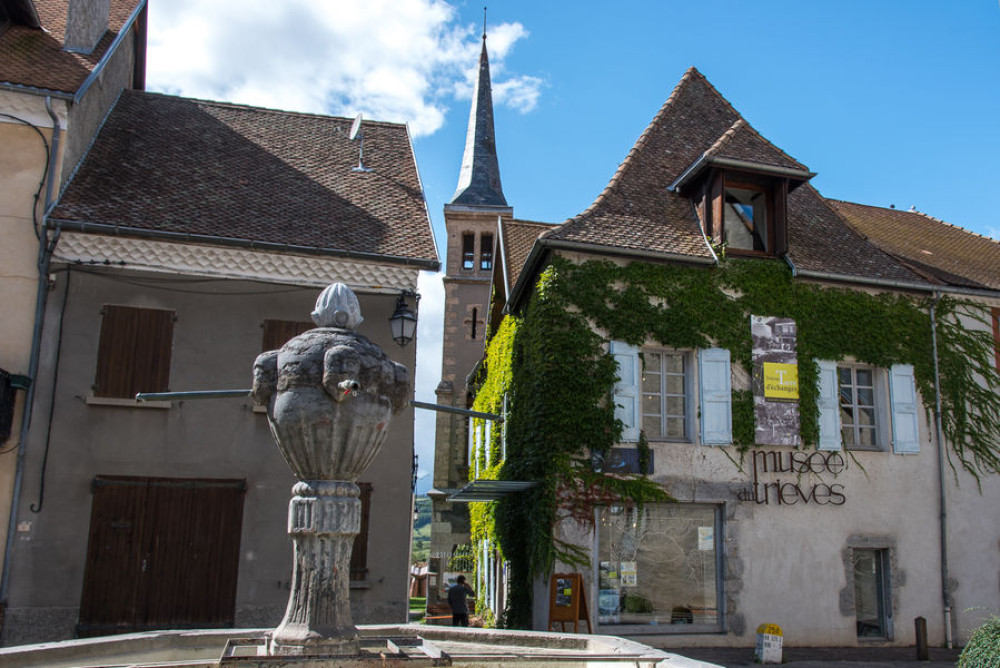
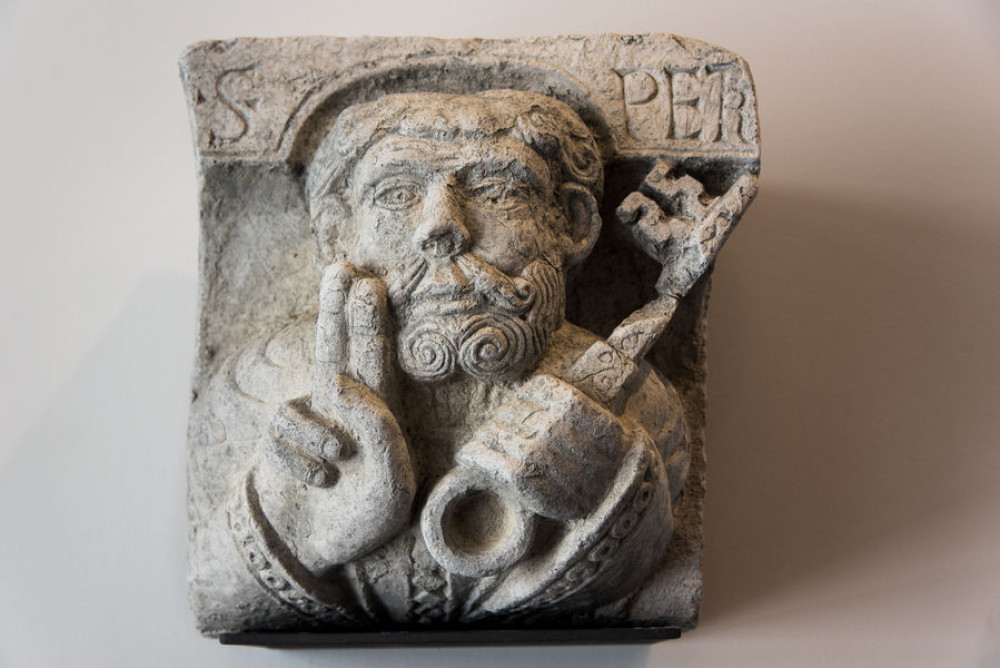
In the heart of the historic district of Mens, the Musée du Trièves recounts the rich history of the region and its inhabitants. From prehistory to the present day, permanent and temporary exhibitions present the sites of this remarkable rural heritage.Located in the heart of the historic center of Mens, this museum traces the history of the people who have shaped the Trièves landscape. A genuine local museum, it gives pride of place to landscapes, early human occupation, rural heritage and village life, as well as to the artists who have spent time here (Jean Giono, Edith Berger, Emile Gilioli). Temporary exhibitions complete the discovery.
The Musée du Trièves, the former garrison of Lesdiguières soldiers during the Wars of Religion, located on the Place de la Halle (Monument Historique), traces the history of the places and men who have shaped the region...
Visits all year round, by reservation only, by calling 04 76 34 88 28 during the summer season. Out of season, please contact Fréderic Dumolard Museum Director at f.dumolard@cdctrieves.fr

Tourist office of la Motte d'Aveillans
 Isère Outdoor - Trace - From the foothills of the Vercors to those of the Dévoluy - Cycling path n°9