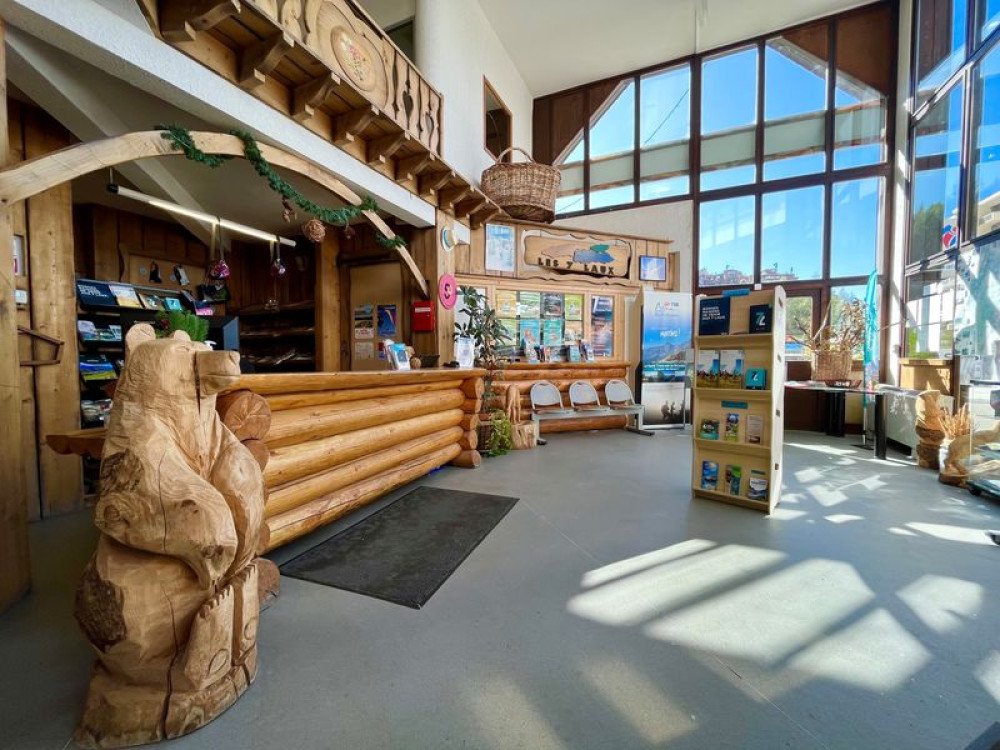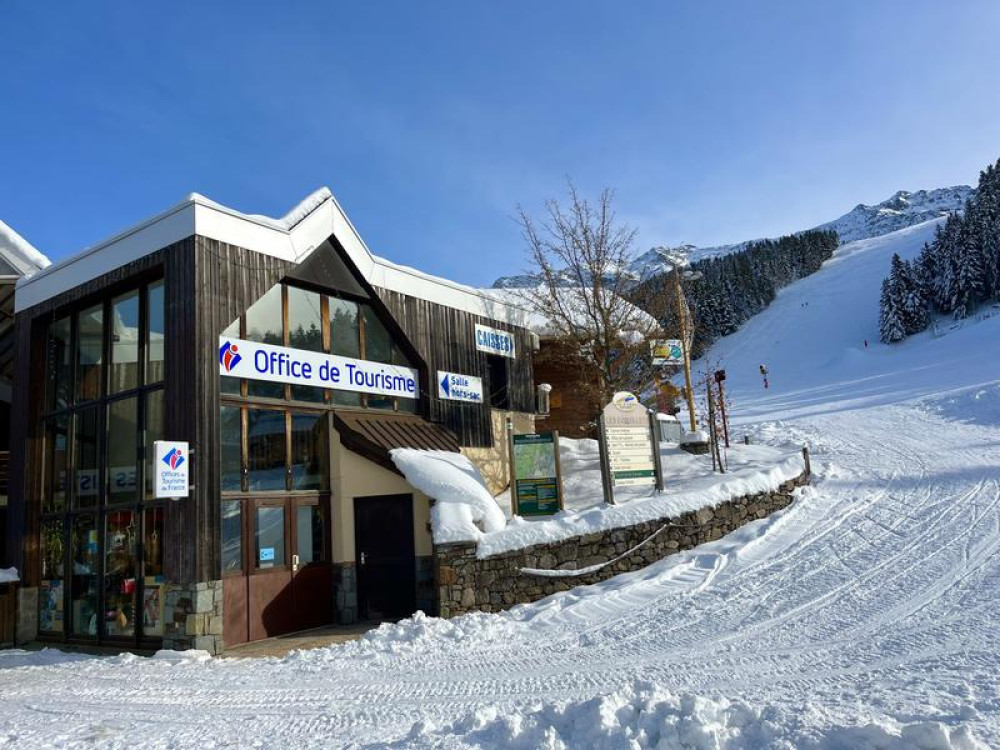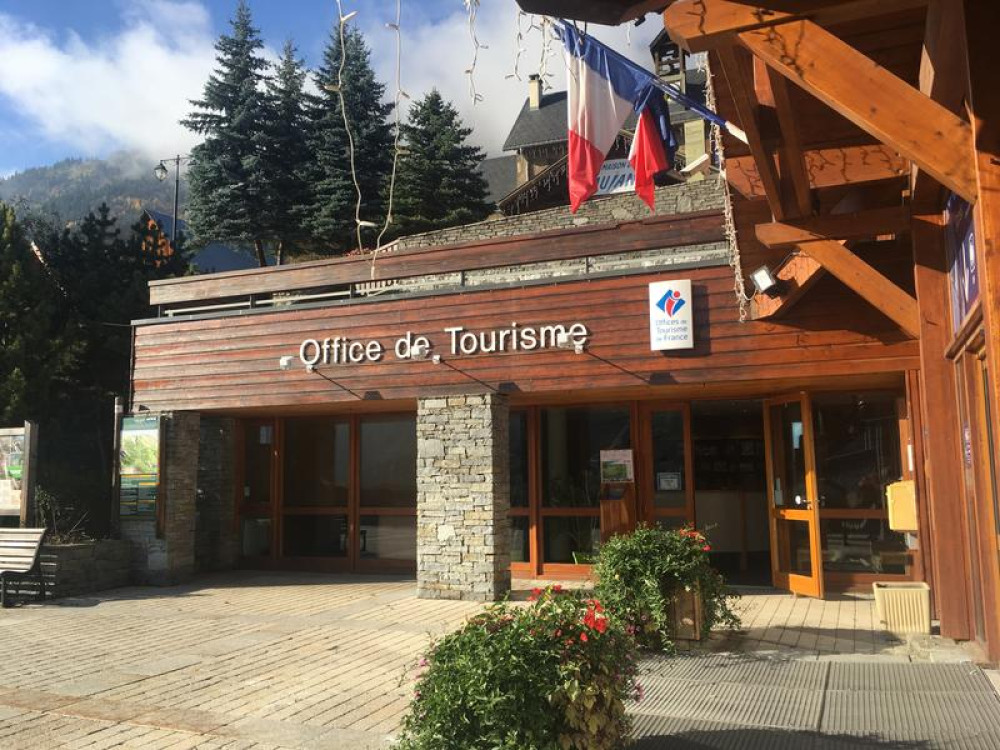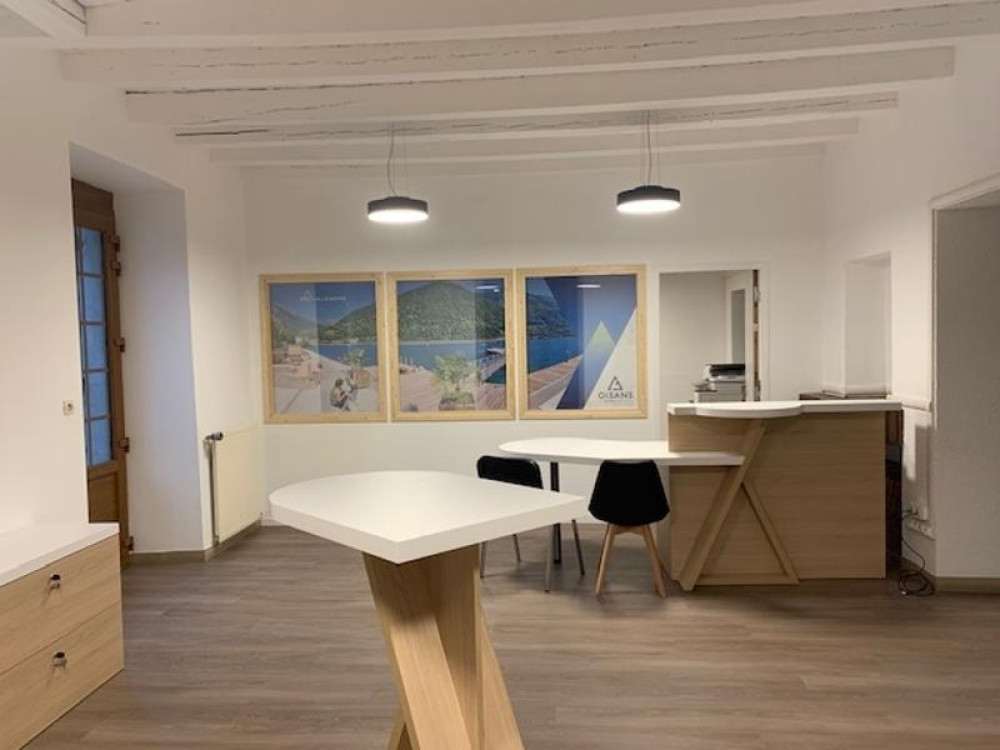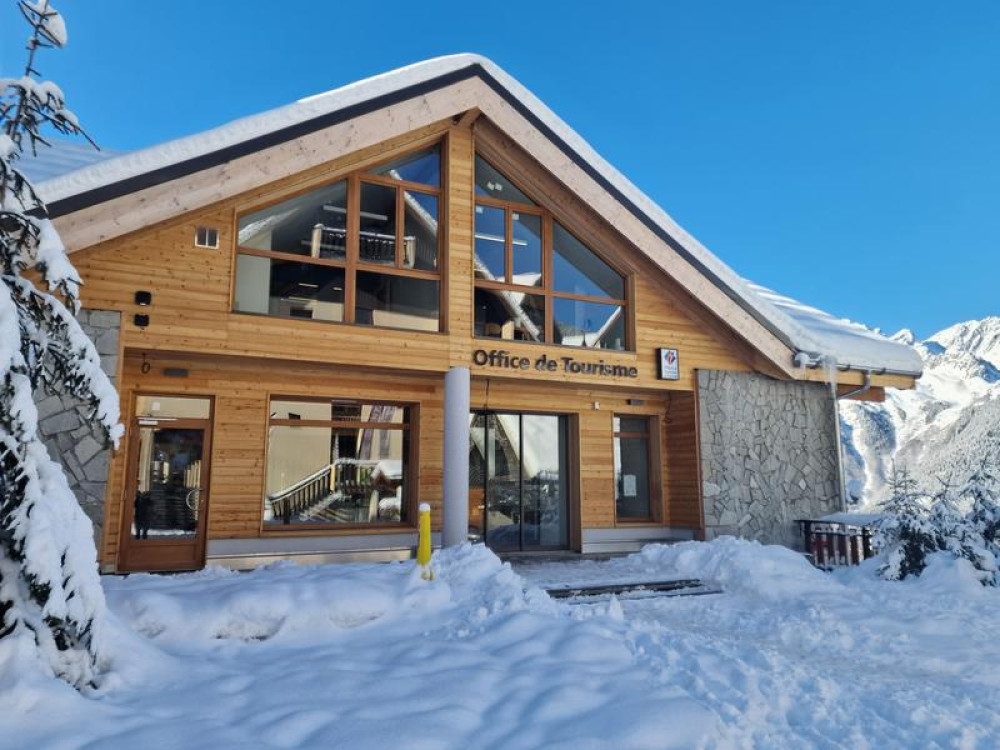

Located at the western entrance to the resort of Alpe d'Huez in the Vieil Alpe district.The Tourist Office is located within the Maison de l'Alpe which houses, in addition to the Tourist Office, the headquarters of the French Ski School and a cash office for the sale of ski lift passes. The Tourist Office reception and its staff provide tourist information in order to best meet the expectations of visitors in winter and summer. The Tourist Office reception desk also offers additional services such as: the sale of Cars Isère / Transaltitude bus tickets, the sale of hiking guidebooks, a public wifi connection area, a changing table in the toilets and a children's area (check its access according to the current health provisions). In addition, the reception area offers a small "shop" whose content is visible in three windows where Alpe d'Huez and Tomorrowland promotional items are displayed (souvenir items, small luggage, textiles...
The Tourist Office's reservation center is also available to holidaymakers to book their stay, as well as groups and seminars. It offers all-inclusive stays with various services: ski passes and lessons, equipment rental, parking space, activities, well-being... Online booking available on the official website of the Tourist Office also allows you to take advantage of promotional offers and tips. A mini wifi box rental service is also available.Period of opening : From 25/04 to 17/06/2022
Opening hours on Monday, Tuesday, Wednesday, Thursday and Friday between 9 am and 12 pm and between 2 pm and 5 pm.
Closed Saturday and Sunday.
Closed exceptionally on Feast of the Ascension and Whit Monday.
Exceptional closure on May 27, 2022.
From 18/06 to 19/06/2022
Opening hours on Saturday and Sunday between 10 am and 12 pm and between 3 pm and 5 pm.
From 20/06 to 24/06/2022
Opening hours on Monday, Tuesday, Wednesday, Thursday and Friday between 9 am and 12 pm and between 2 pm and 5 pm.
From 25/06 to 28/08/2022, daily between 9 am and 6 pm.
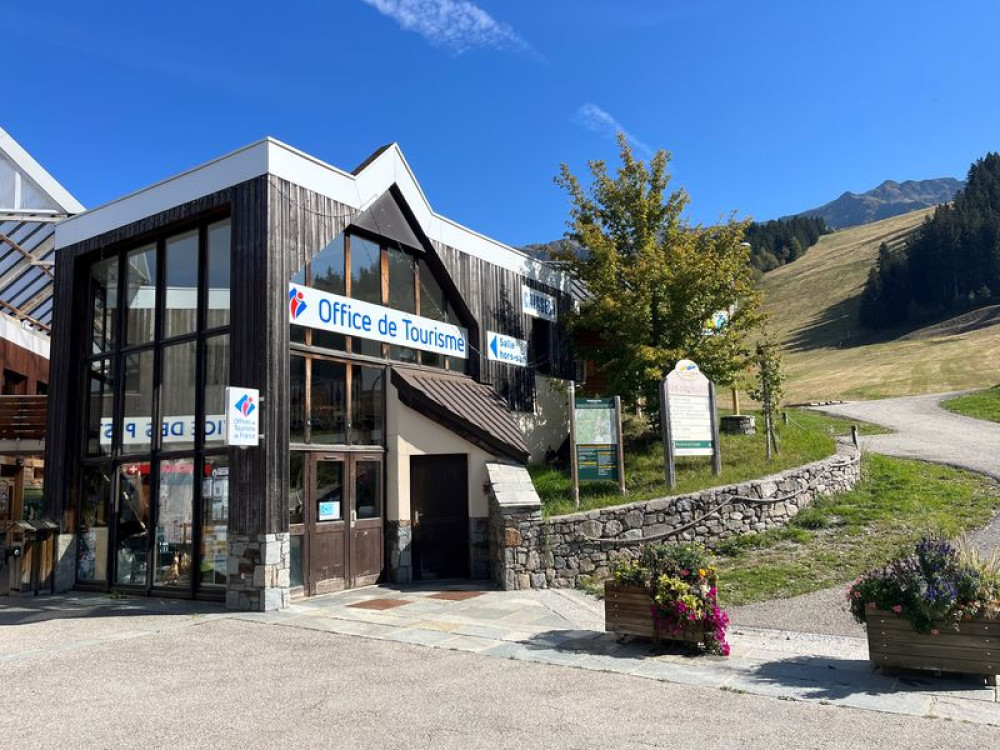
The 7 Laux Prapoutel Tourist Information Office is located at the foot of the slopes and in the centre of the resort.


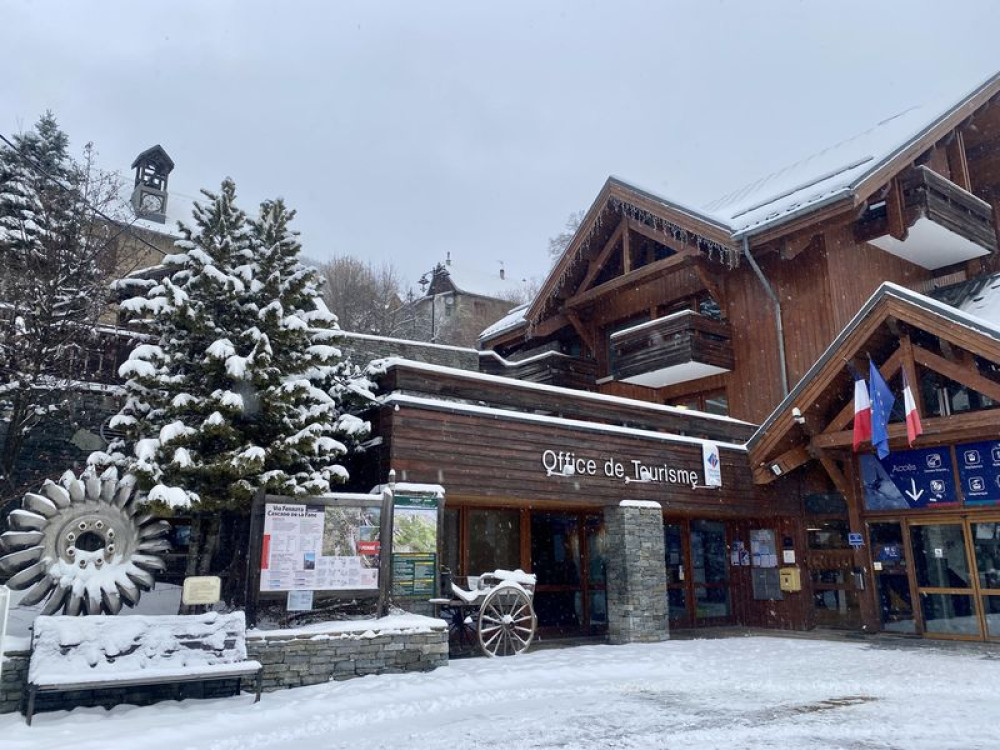
Nestled at an altitude of 1250m, Vaujany is located on a vast estate connected to Alpe d'Huez in the heart of Oisans in the Northern Alps.The family resort develops with the rhythm of the seasons, caressed by a soft sun. A rich heritage, varied activities, major events, Vaujany is the playground for all mountain lovers.

Summer and winter alike, the entire Tourist Office team is on hand to help you make the most of your stay.The Villard-Reculas Tourist Office welcomes you all year round in the heart of the village. The whole team will help you plan and make the most of your stay, with personalized advice.
The Central Reservations Office, part of the Tourist Office, is at your service to help you find and book accommodation.
Throughout the summer and winter seasons, a weekly entertainment program is offered: free, accessible to all and designed to delight young and old alike! Cultural, sporting and fun events are on the program, making your vacation even more unforgettable.
Services available:
- E-Bike Service: recharge your electrically-assisted bicycle in the square in front of the Tourist Office.
- Bicycle repair kit: a kit is available on loan from the Tourist Office reception desk to repair your bike.
- Wifi: free access
- #Gourde Friendly: we fill your water bottle free of charge
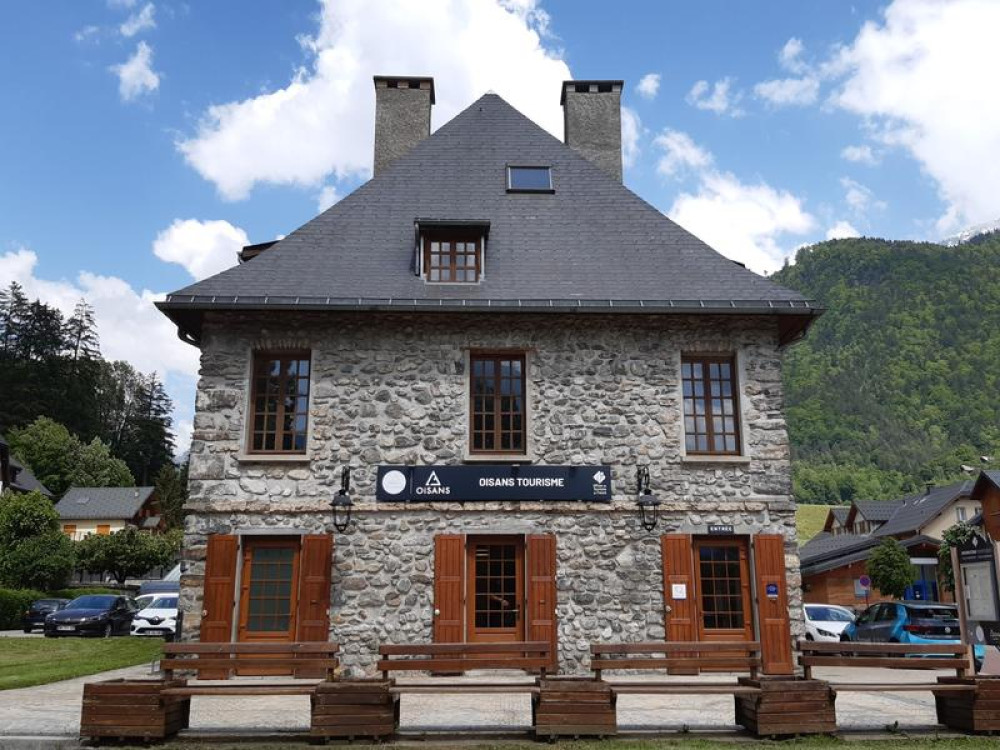
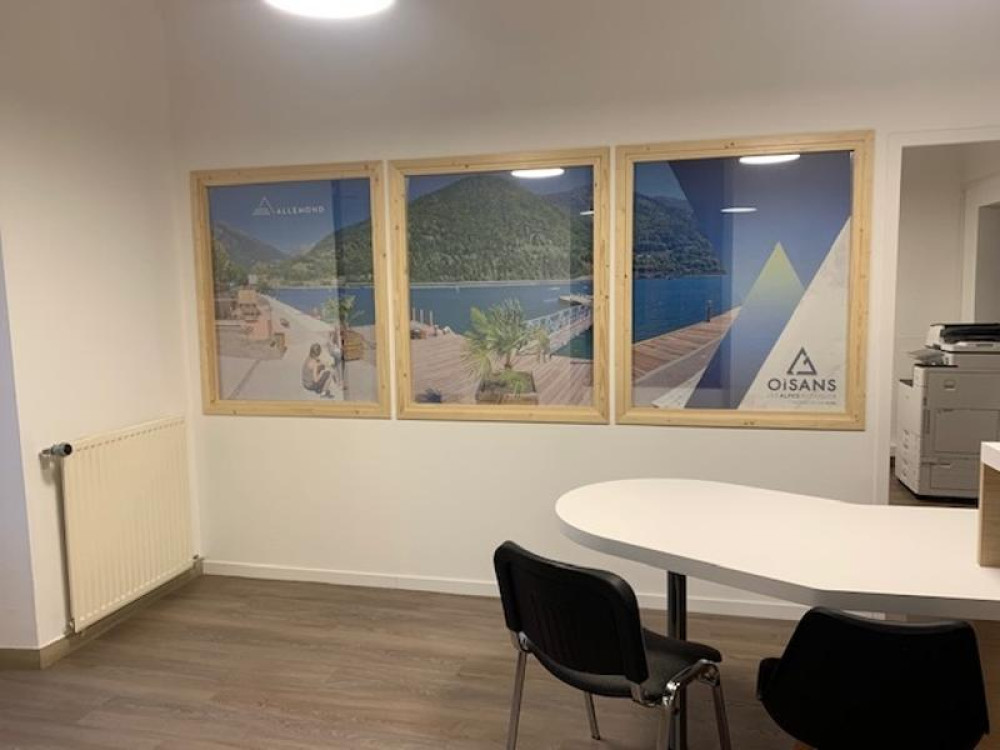
A small Alpine village on the banks of Lac du Verney, Allemond welcomes you to the enchanting natural setting of the Vallée de l'Eau d'Olle, offering you all the pleasures of water and mountains.Open all year round, the Tourist Office offers expert advice and the following services:
- Information on the Oisans region and the Eau d'Olle valley
- Information on accommodation (guides available)
- Information on sporting and cultural activities, entertainment and events
- Timetables for regular bus routes and seasonal shuttles
- Local weather forecast displayed every morning and forecast for the week
- Sale of various products (blue point tokens, climbing session tickets (summer)...)
- Photocopying service
- Free WiFi around the Tourist Office: FREEWIFI allemond
- E-Bike service: recharge your electric bike here on request (remember to bring your charger).
-Fishing card sales
In winter, snowshoeing itineraries are also accessible from the village. At the Tourist Office, you'll find maps and guides to help you discover our beautiful countryside.
In summer, it's all about cycling, mountain biking and hiking. Many brochures are available to enrich your stay.
Many events are organized in the village: free concerts, workshops and courses for children, climbing sessions...and so much more...
We also host permanent and temporary exhibitions on a variety of themes (pottery, paintings, photo exhibitions...).
For information on accessibility for the disabled, click here >>> https://acceslibre.beta.gouv.fr/app/38-allemond/a/office-du-tourisme/erp/office-de-tourisme-dallemond/
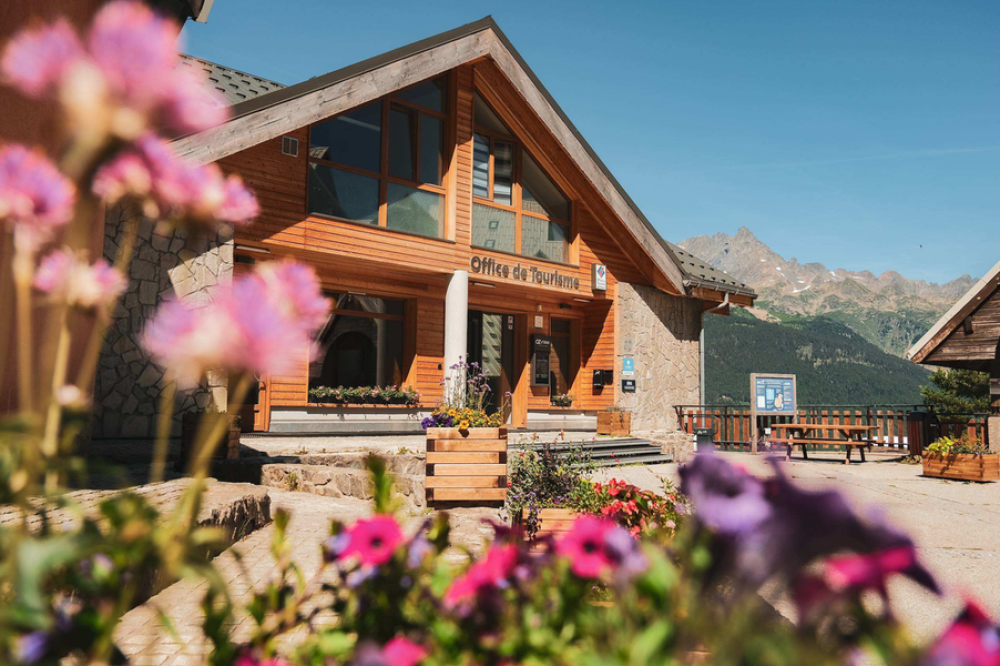
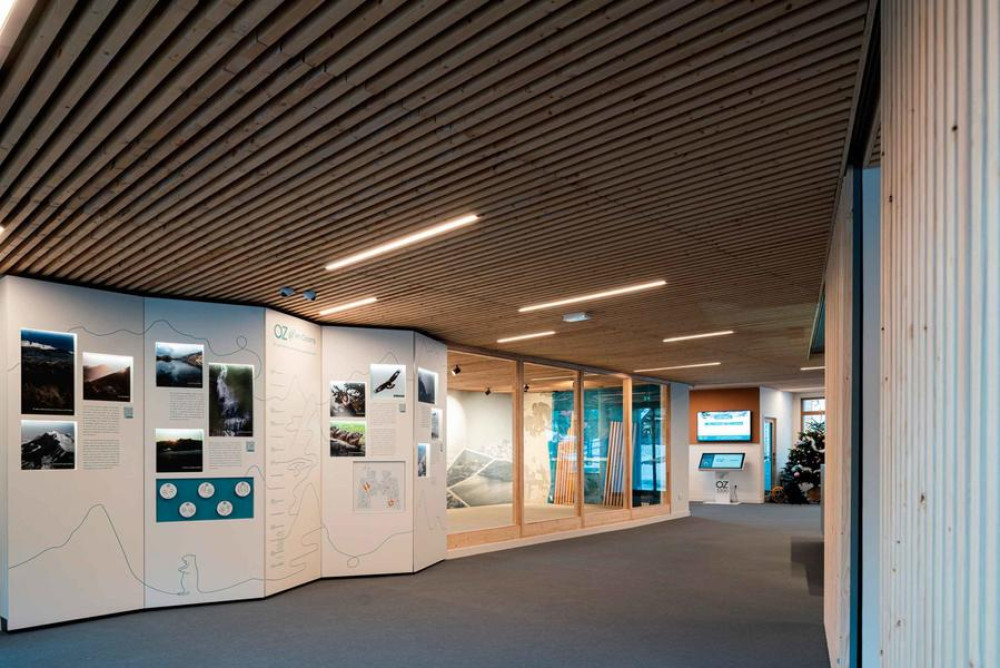
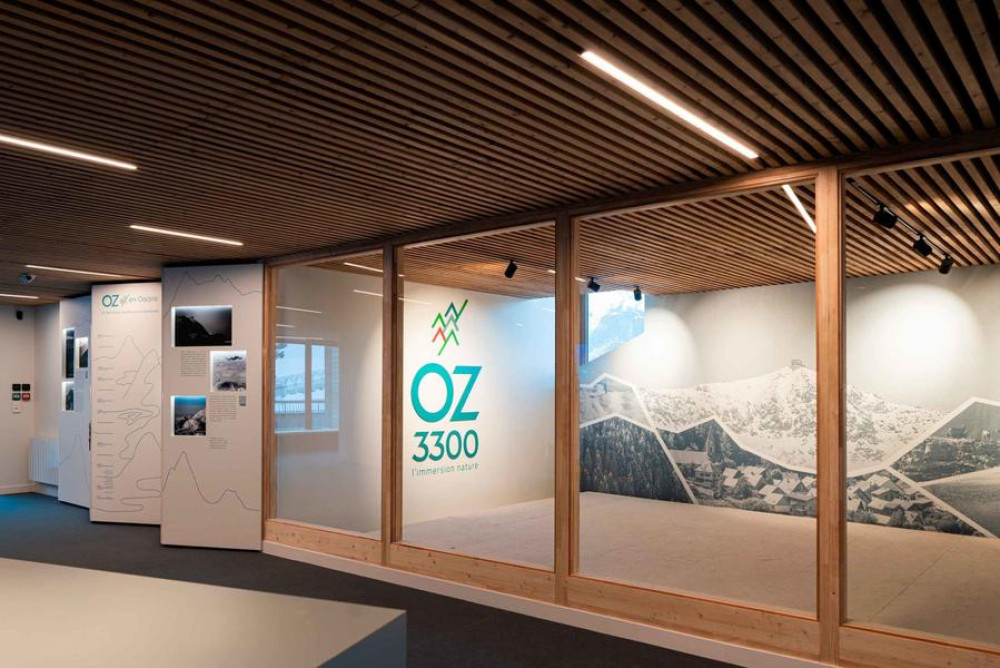
The Oz 3300 Tourist Office opens its doors to offer you a full range of services to enhance your experience in Oz 3300, at the heart of the Espace Alpe d'Huez !Want to experience Oz 3300 and its exceptional alpine landscapes to the fullest? The Tourist Office is here to guide you! Our team can provide you with information and advice on sports and cultural activities, as well as entertainment and must-see events, to ensure your stay is full of new discoveries.
Need a place to stay or some practical assistance? We’ll help you find the perfect lodging and make your stay easier by booking the climbing gym and swimming pool, providing information on transportation and shuttles, and sharing the daily local weather forecast.
Stop by or contact the Oz 3300 Tourist Office: we’re here to help you make the most of the mountains, summer and winter alike!
For more information on accessibility at the Tourist Office, visit our “Accessible Tourism” section on our website: https://www.oz-en-oisans.com/ete/infos-pratiques/tourisme-adapte/

The cross-country skiing centre sells ski passes (national annual pass, Nordic Pass and the Isère annual pass), as well as renting out equipment, including Nordic skiing and skating gear, poles, boots and snowshoes.The centre is a friendly place that provides equipment rental, cross-country ski passes and expert advice!Period of opening : From 18/12 to 13/03 between 8.30 am and 12 pm.
Closed exceptionally on January 1st and December 25th.
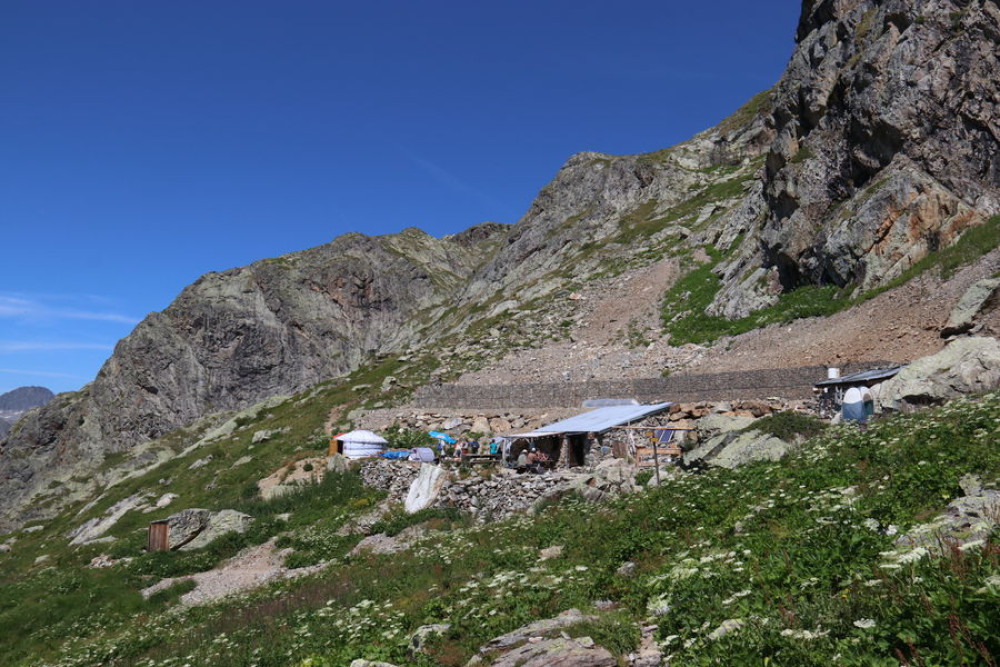
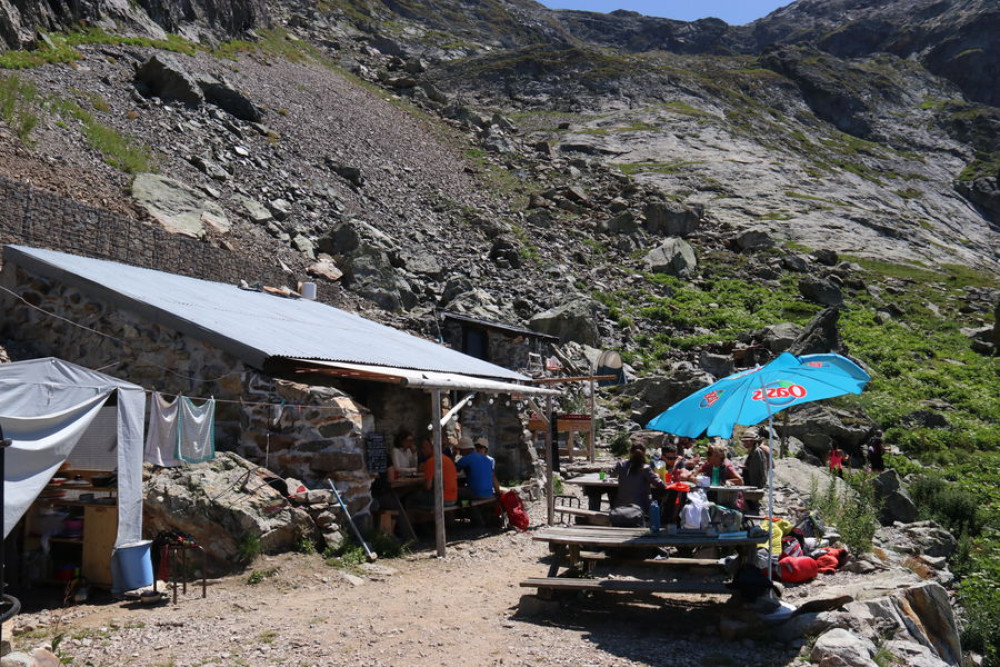
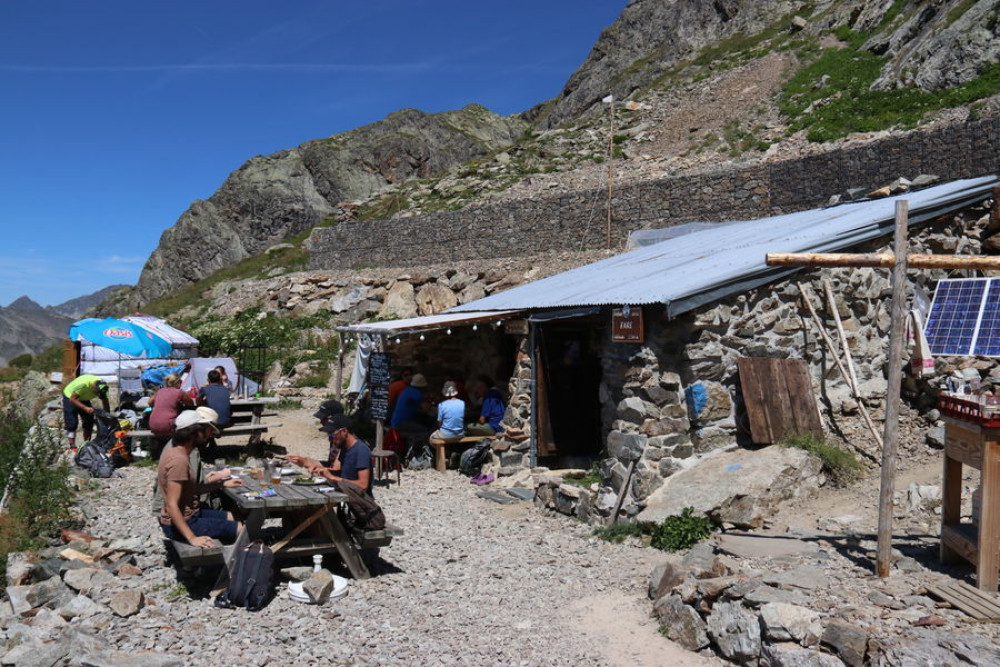
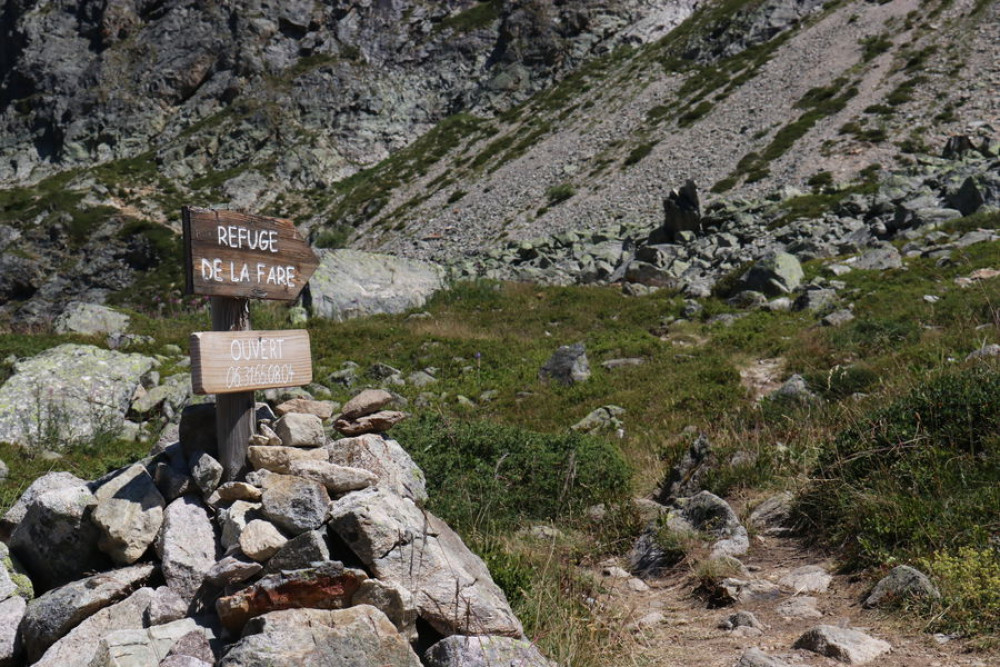
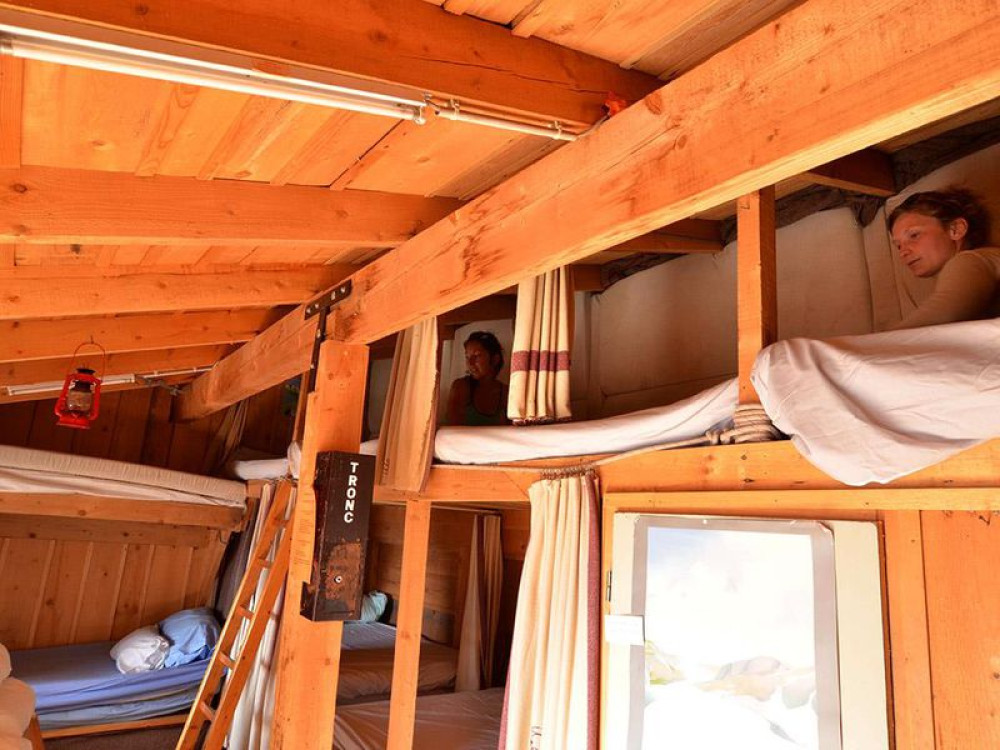
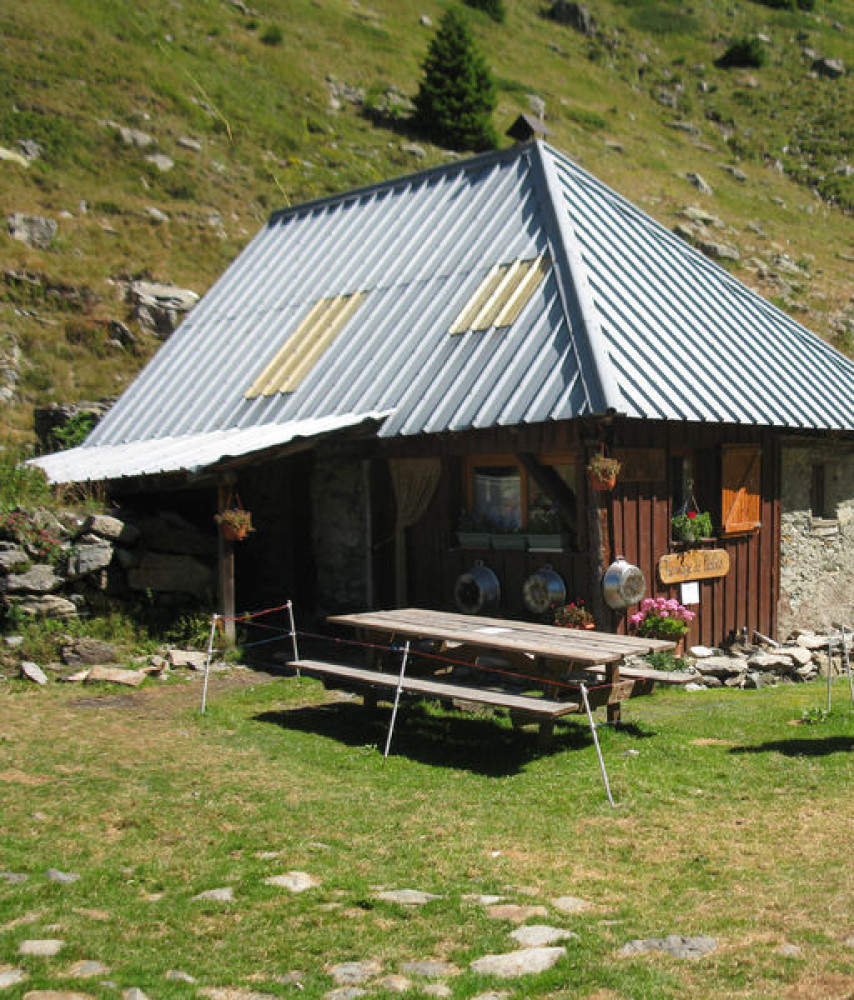
At the heart of Grandes Rousses mountain ranges, La Fare mountain hut offers you an authentic atmosphere. This intimist little hut, family and easily accessible, is situated in a spectacular and wild place.This small and intimate refuge, family and simple access : located in a beautiful and wild area. It welcomes curious for a first night in a refuge, hikers and climbers who come to discover the routes of medium and high mountains, between lakes and summits. Live an evening, a night, a morning at the refuge of the Fare, these are strong moments and unforgettable memories.
Food & beverage all day, local products ...
From the refuge it is possible to practice some activities, such as fishing, mountaineering, climbing and hiking... Reservation required by phone.
Carte IGN : 3335 ET / Le Bourg d'Oisans - L'Alpe d'Huez
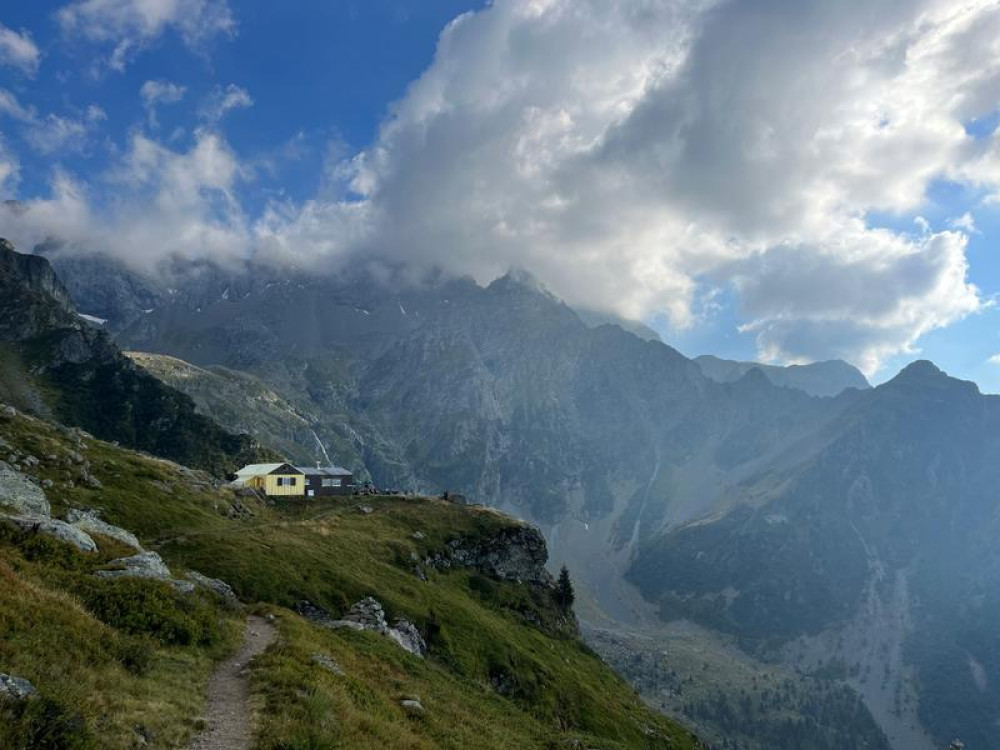
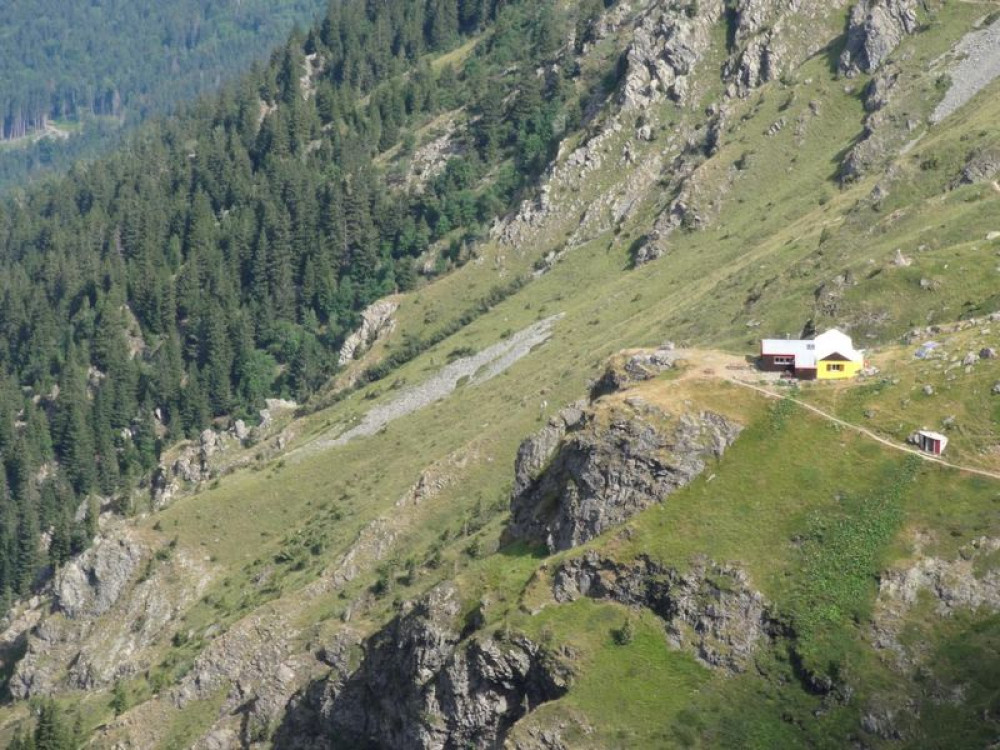
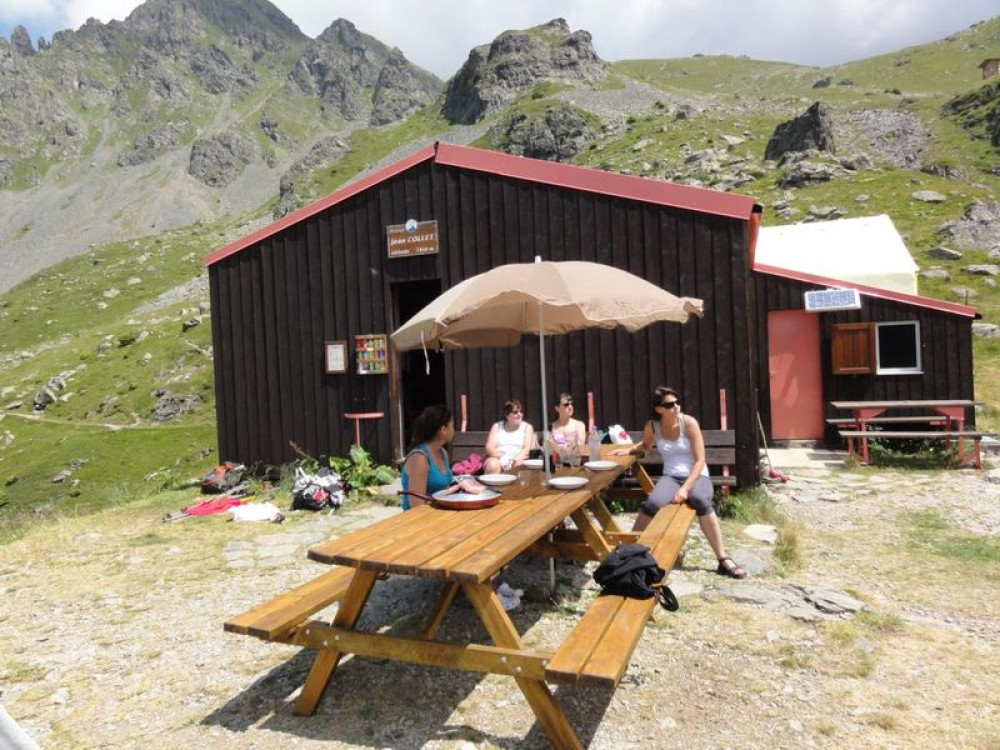
Located on a vantage point, the Jean Collet refuge is a quiet, cosy spot in the middle of nature. The hikes around the refuge, which are of varying degrees of difficulty, will take you to the lakes and passes of the Belledonne.Getting there :
High gain :
Walking time :
Ease of access :
IGN map :
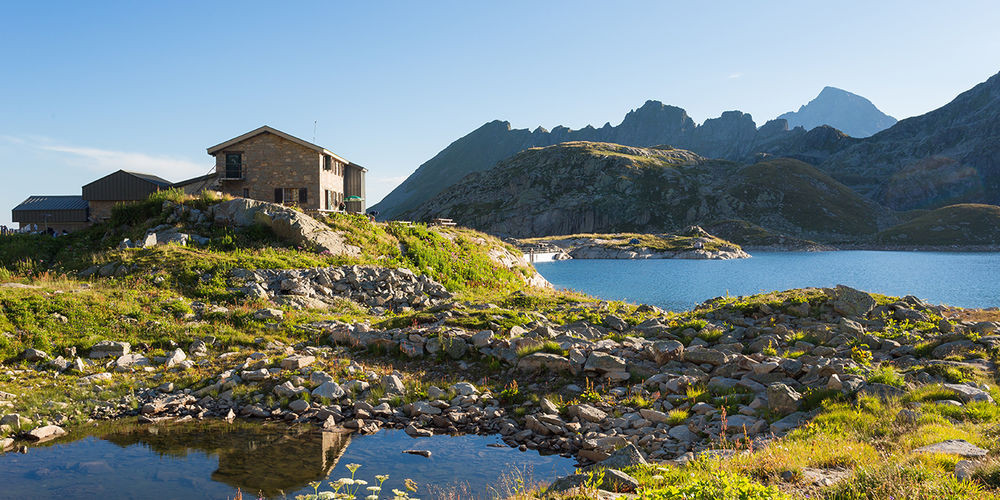
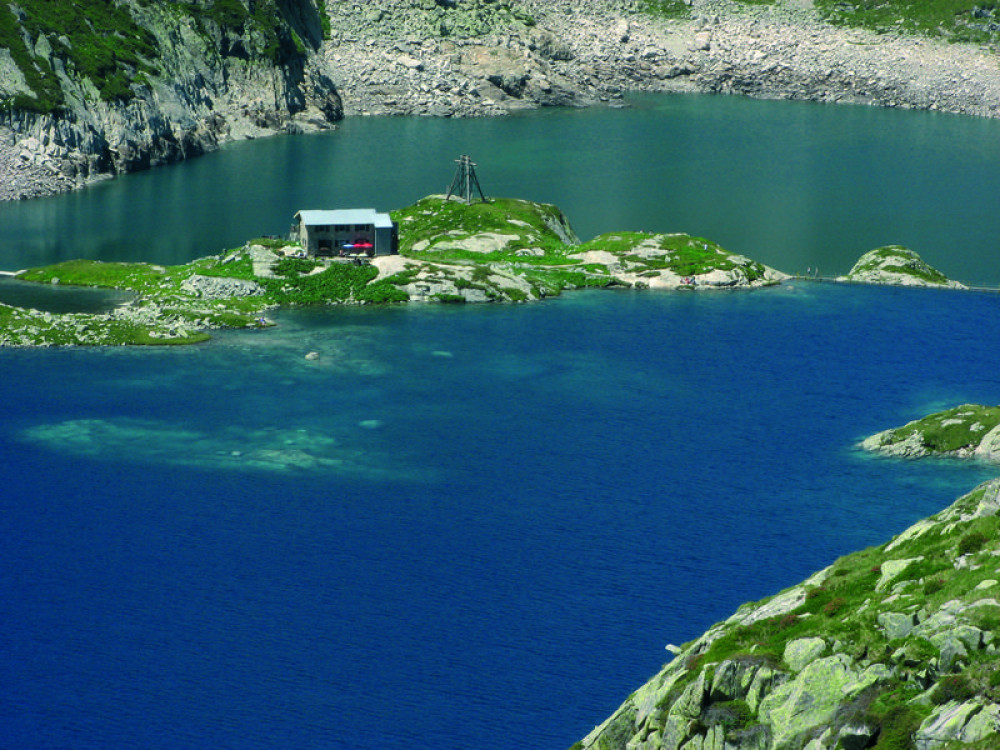
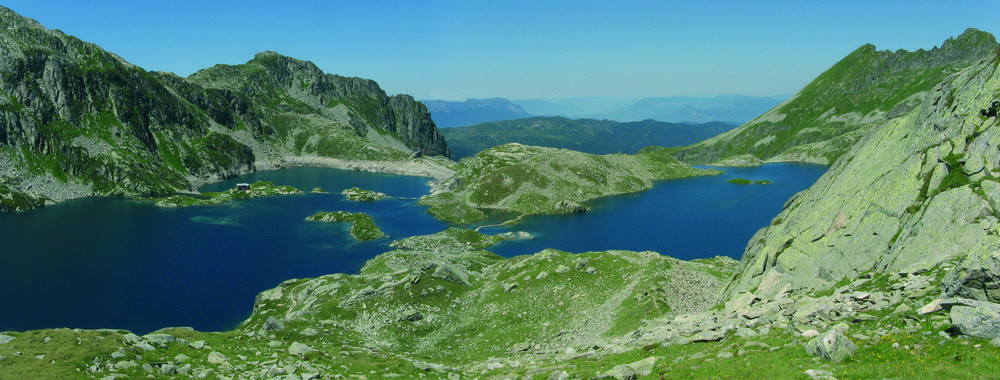
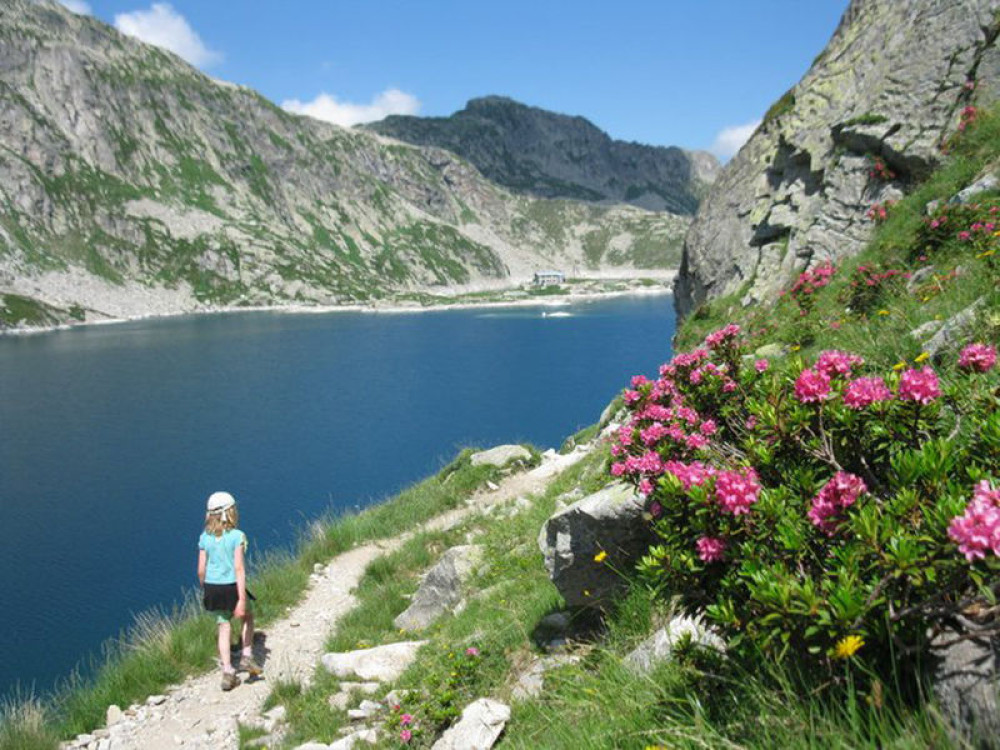
The Les 7 Laux refuge sits on an island at an altitude of 2,135 m, surrounded by the Rocher Blanc and the Pic de la Belle Etoile, and the clear blue waters of 12 mountain lakes.Getting there : By Belledonne, two routes are possible among others to access the refuge: Fond de France or Le Pleynet. After Allevard les Bains, direction Fond de France or Le Pleynet. At Fond de France, the trail starts in the car park next to the gîte l’Essentiel. At Le Pleynet take the forest road at the end of the car park (the one up).
High gain : 1100
Walking time : 4 to 5h
Ease of access : difficult
IGN map : n°3335 ET
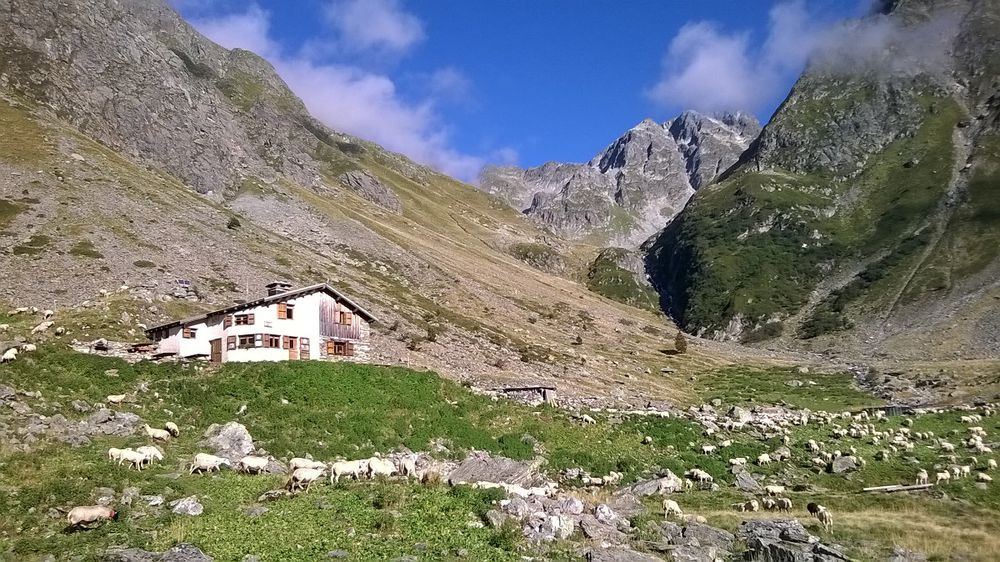
The Combe Madame mountain pasture gîte is a pretty little alpine refuge located in the commune of La Ferrière in the Belledonne mountain range. It is perched at an altitude of 1,784 metres in the heart of wild and unspoilt mountain scenery.Getting there : In Allevard, take the D525a in the direction of La Ferrière. 500 meters from a lake, just before Fond-de-France, turn left, pass the gîte of La Martinette and park in the parking of La Martinette. Take the direct path that goes into the forest, in front of the car park, pass the first chalet (halfway), continue on the GR path along the creek from the left to the refuge of la Combe Madame (running time between 1:30 and 2:15).
Other possible routes to the refuge:
- from the Col du Glandon, by the Col de la Croix.
- from the refuge of Les Sept-Laux, by the Rocher Blanc or by the Col du Mouchillon (unmarked).
- from the refuge de l’Oule (unmarked).
High gain : 700m
Walking time : 2h
Ease of access :
IGN map : 3335 ET

Situated in the heart of the Belledonne massif on the GR 738, the Habert d'Aiguebelle refuge (1,735 m) was completely renovated in 2017 from an old building that was once used as a sheepfold.
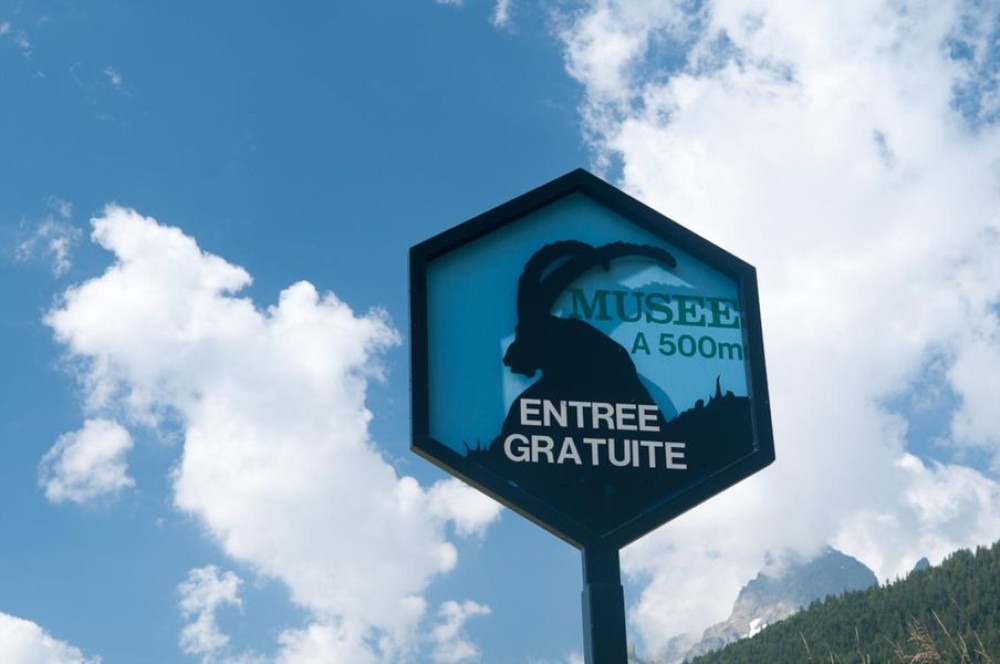
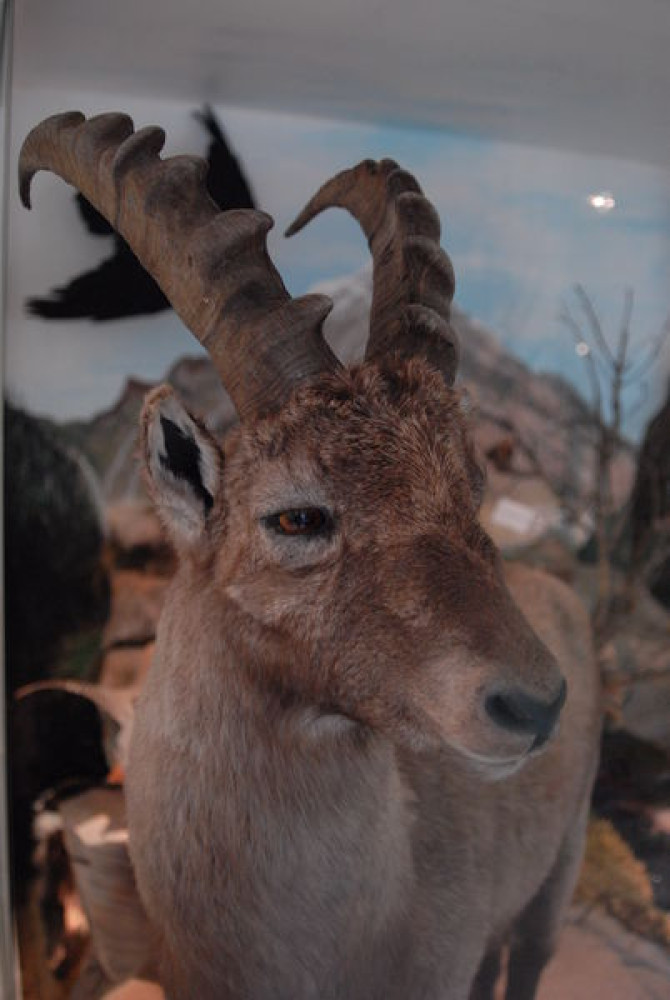
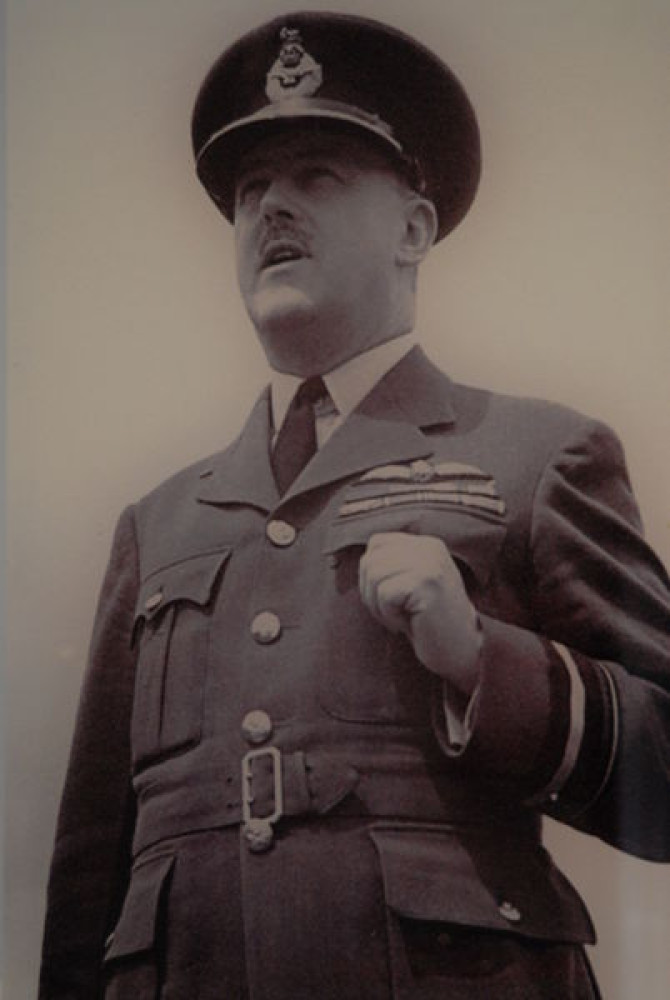
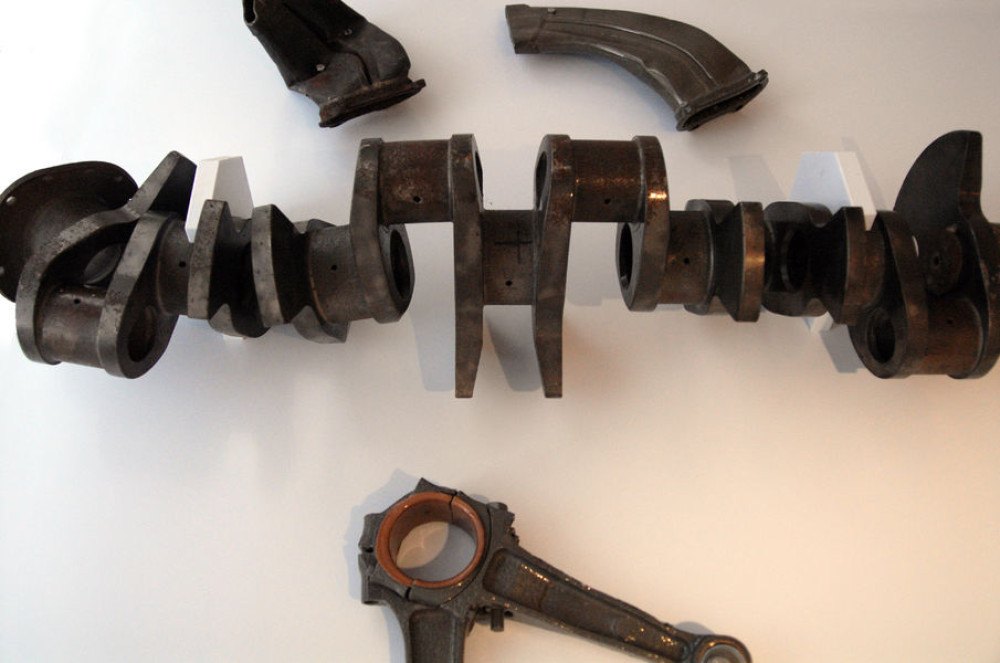
This museum halving spaces, the one dedicated to the ibex and the other one to the story of the crash of Sir Trafford Leigh-Mallory's plane on November 14th, 1944 above the Rivier d' Allemont.Free entranceThis space also recalls the disappearance in November 1944 of the great British air marshal, Sir Trafford Leigh-Mallory, in a mysterious plane crash over the Rivier d'Allemond.
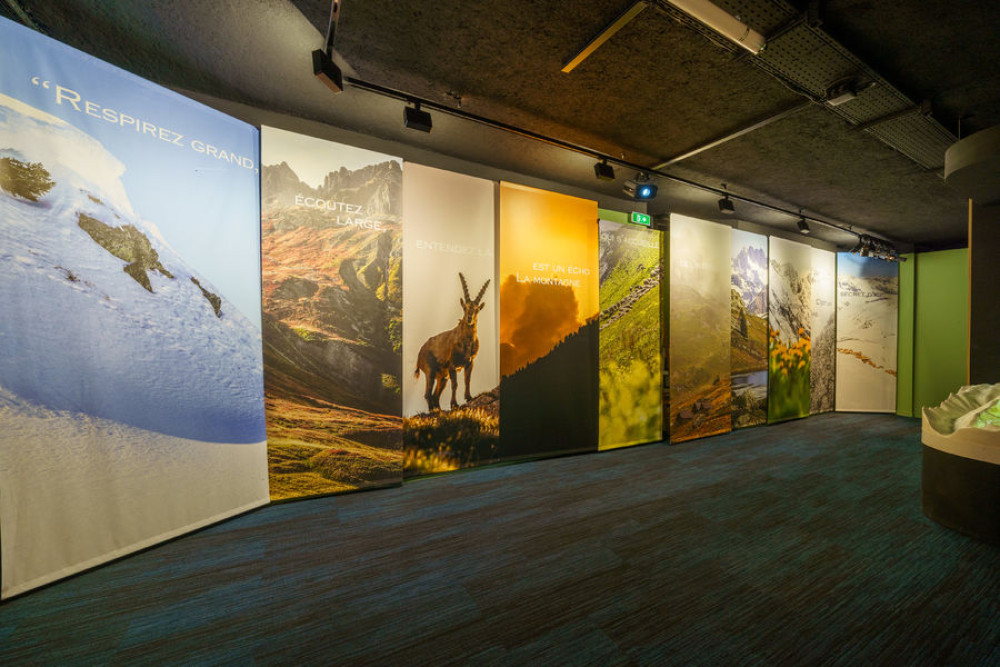
Portrait of the Lord of the Alps: On the verge of extinction at the end of the 19th century, the ibex, an emblematic animal of the Alpine fauna, is now being reintroduced in the various Alpine massifs. Its conservation, morphology, habitat and diet through the seasons, social life, predators and scientific monitoring in the Belledonne massif are all presented through a beautiful scenography, films, games, panels, mountain outings...
Espace York Mallory:The story of the disappearance, in November 1944 in a mysterious plane crash over Rivier d'Allemond, of British Air Chief Marshal Sir Trafford Leigh-Mallory, who commanded the Allied air force during the Normandy landings, is told here.
LABEL :
The museum is a member of the "Route des Savoir-Faire de l'Oisans".

Listed among the “Musées de France” since 2003 and affiliated with the municipal archaeological site of Brandes-en-Oisans, the Alpe d’Huez Museum of History and Archaeology traces the long history of the village of Huez and its mountain pasture, from the Middle Ages to the present day.Having been awarded the "Musée de France" designation in 2003 by the Ministry of Culture, the Musée de l’Alpe d’Huez has featured two new exhibits since December 2022: the permanent exhibitions “The Spectacle of the Mountains” and “Brandes and the Gold Rush of the 12th and 13th Centuries.”
You can also explore the section dedicated to World War II through the exhibition “Summer 1944: The Maquis of Oisans.”
3 PERMANENT EXHIBITIONS: “THE SPECTACLE OF THE MOUNTAINS,” “BRANDES AND THE GOLD RUSH OF THE 12TH AND 13TH CENTURIES,” “SUMMER 1944: THE MAQUIS OF OISANS”
THE SPECTACLE OF THE MOUNTAINS
This long-term exhibition traces the transformation of alpine chalets (now the Vieil Alpe neighborhood) into family-friendly hotels that, beginning in the 1970s and 1980s, formed an internationally renowned tourist resort perched at an altitude of 1,850 meters. Featuring four “kiosks” (immersive cubes) richly illustrated with photographs chronicling the periods 1923–1939, 1945–1973, 1974–1989, 1990–2022, this chronology reveals to visitors the spectacular evolution of Alpe d’Huez through its pioneers (the Moulin, Chaix, Chalvin, and Collomb families, as well as figures such as Maurice Rajon, Jean Pomagalski, Joseph Paganon, etc.), the heyday of traditional hospitality between the 1930s and 1960s, sporting events such as the Tour de France (which first reached Alpe d’Huez in 1952 with Fausto Coppi’s victory; with Dutch, Spanish, French, and British victories in the following decades), new snow and winter sports such as snowboarding in the 1980s, summer skiing on the Sarenne slope and glacier starting in the 1960s, as well as numerous events like the Tomorrowland Winter electronic music festival (since 2019). In addition, urban development—characterized by diverse and multifaceted architecture—is highlighted through an interactive touchscreen (featuring historical and 3D models of the resort’s neighborhoods) and an interactive kiosk that spotlights several key figures associated with this growth. The built heritage (hotels, ski lifts, public buildings, the Rif Nel and Neiges d’Or apartment complexes, Notre-Dame des Neiges Church (1969), International Style buildings such as the Daria I Nor Hotel (2019), Neo-Savoyard chalets, etc.) in Alpe d’Huez is showcased here, as are upcoming real estate projects. Finally, film screenings from the National Audiovisual Institute (leisure activities in the 1950s, the role of real estate developers in the 1970s, the inauguration of the Olympic bobsled track (Grenoble Winter Olympics in February 1968), the conquest and inauguration of the Pic Blanc (3,330 m above sea level) in 1963) will capture the attention of young and old alike.
BRANDES AND THE RUSH FOR MONEY IN THE 12TH AND 13TH CENTURIES
As you explore the resort and the Alpe d’Huez plateau, who would believe that in the Middle Ages, a community consisting of male mining specialists, women, and children (who crushed the ore), settled on the plateau in Brandes, at the foot of the Saint-Nicolas rock, extracting silver ore from the ground at an altitude of 1,800 meters, as well as around Lac Blanc (2,700 meters)? Yet, from the 12th to the 14th centuries, the inhabitants of Brandes (a site that constituted the medieval mining settlement and the highest human settlement in Europe for that period) lived there year-round (between 200 and 250 people), despite harsh weather conditions from October through April. This history of mining techniques (specifically, the development of the pre-industrial era in Western and continental Europe) and human settlement was revealed by systematic archaeological excavations conducted beginning in 1977 by archaeologist Marie-Christine Bailly-Maître (former curator of the Huizat Museum) and her teams, which included speleologists, scientists, archaeology students, and volunteers. The discoveries made during the excavations—including mining techniques, the production of silver powder, Brandes’s finished product used to mint the coins of the Dauphin (lord of the Dauphiné), religious practices and daily life, and the construction of a watchtower with unique architecture, a “shell-keep”) led to the creation of the “Maison du Patrimoine” in 1982, centered around its archaeological collection, which became the “Musée d’Huez et de l’Oisans” and then the “Alpe d’Huez Museum of History and Archaeology” in 2023. Formerly housed in the “Hôtel des Lacs,” this museum, heritage, and cultural institution has occupied the first floor of the AgorAlp (formerly the “Alpe d’Huez Sports and Convention Center”) since 2012. A new exhibition design showcasing the archaeological collection remains on display and contextualizes the artifacts found both above and below ground through several models and a wealth of illustrations.
The archaeological site is open from April through October (toward the clay pigeon shooting range or near the Sarenne Pass road); explore its illustrated educational panels and audio-guided commentary via the PILGRIMZ web app (free download and account).
SUMMER 1944. THE OISANS MAQUIS
Let us also not forget the history of the Oisans Maquis during World War II. While the mountains may seem like a place untouched by the fighting between draft dodgers from the Compulsory Labor Service (STO) and German soldiers, events—sometimes tragic, often heroic—took place in the Grandes Rousses massif and throughout the Oisans region more broadly. Alpe d’Huez hosted a military hospital for the French Forces of the Interior (the FFI, opponents of the German occupation), notably in Huez and later at the Chalet du Signal, an annex of the “Grand Hôtel” in Alpe d’Huez. Faced with the advance of the enemy army and its determination to control the Oisans region and destroy its resistance movement (following the Nazis’ victorious capture of the Vercors in July 1944), Dr. Tissot, a surgeon, ordered the evacuation of the wounded being treated in this small building in mid-August 1944. Thus began a slow and arduous climb for the patients (some in critical condition) and the medical staff up to the heights of Alpette and the slopes of the Grandes Rousses, for those who were able-bodied. This group received welcome and life-saving assistance from the crew of a B-24 Liberator bomber—“11 Americans who fell from the sky” (an expression coined by Pierre Montaz, a member of the Resistance at Alpe d’Huez): The crash of their plane—following a bombing campaign on Munich (Germany)—near Gap, in Prunières, prompted them to cross the Oisans region in late July 1944. Having learned in Le Bourg-d’Oisans of the existence of the military hospital at Alpe d’Huez, they provided invaluable assistance to the retreating FFI. Protecting the evacuation of the wounded (some of whom were taken to the Fare refuge at an altitude of 2,600 meters), the armed Oisans resistance fighters fought a fierce battle on the heights of the Alpette against a division of German Alpine hunters; They emerged victorious on August 14, 1944, suffering no casualties. Relive this significant historical event in the French Resistance in the mountains through richly illustrated educational panels and artifacts from the collection of the Musée de l’Alpe d’Huez, also on loan from the Association of Friends and Descendants of the Oisans Maquis.
LEARN MORE ABOUT THESE 3 EXHIBITS
Quick Museum Tour: Discover the museum’s artifacts in a new way! Three artifacts will be examined and placed in their historical and geographical contexts.
Every Wednesday during French school breaks, from 4:30 p.m. to 4:45 p.m. — FREE — from December 2026 to April 2027; register at the museum or by calling 04 76 11 21 74
CULTURAL PROGRAM
Museum Late-Night Events (FREE, registration recommended at the Museum; held from 8:00 PM to 10:00 PM) are offered during the winter season; discover the heritage of the town of Huez-Alpe d’Huez, as well as screenings on environmental, historical, and artistic topics, among others.
For more information, call 04 76 11 21 74 or email accueil.musee@mairie-alpedhuez.fr
CULTURAL AND GUIDED TOURS IN THE RESORT
=> Guided tour of Pic Blanc, with its exceptional panoramic views at an altitude of 3,330 meters, and a visit to the Ice Cave (10:00 a.m.–12:30 p.m.)
Upon arrival at the cable car station, the cultural services guide will cover several topics: the Michelin Green Guide 3-star panorama, the history of the resort and skiing, information on geology, the landscape, fauna, flora, glaciers, and the history of the Alpe d’Huez resort…
No walking required; maximum of 20 people per tour (access via the Pic Blanc cable car). Tuesdays and Thursdays mornings, from 10:00 a.m. to 12:30 p.m.
How to get there: Meet in front of the indoor ticket counters for the Pic Blanc gondola (formerly DMC, at the top of the resort, at an altitude of 1,850 m, on the right 150 m past the Pistes roundabout (at the end of Avenue du Rif Nel); Pay by credit card at the SATA ticket office and meet Frédérik Tane, cultural guide and facilitator, in the same room at 9:45 a.m.)
Tour prices: Contact the SATA Museum (04 76 11 21 74) (04 76 80 30 30)
Registration is required at the Alpe d’Huez Museum: 04 76 11 21 74 or accueil.musee@mairie-alpedhuez.fr; limited availability
=> During the winter season, another guided tour is offered by the Huez-Alpe d'Huez Cultural Department; register at the Museum (by email or phone at accueil.musee@mairie-alpedhuez.fr or 04 76 11 21 74; €5 or €3; 04 76 11 21 74): a tour of the Notre-Dame des Neiges Church, a remarkable religious and cultural landmark known for its wooden architecture, the multicolored Arcabas stained-glass windows depicting the Gospel according to Saint Mark, and the Raphaël organ; its history is closely tied to the development of the ski resort and the Tour de France cycling race. The church is one of the buildings designated as “20th-Century Heritage” by the Isère department. Organ concerts are held during the season on Thursday evenings (information available at the Museum).
THE MUSEUM’S ART AND TEMPORARY EXHIBITIONS
In the Anne Auvergne Hall (1st floor of AgorAlp, across from the Museum), take advantage of the spacious room and its beautiful lighting to explore exhibitions of watercolors, paintings, sculptures, prints, digital art, photographs, and more throughout the winter. Opening receptions followed by a reception are held in the company of the artists during the winter season.
FREE ADMISSION; exhibitions from December 2026 to April 2027
CREATIVE WORKSHOPS WITH THE ARTISTS for children and adults, introducing the techniques featured in the exhibitions; €5 or €3 per person; for more information, contact the museum (in person or by phone at 04 76 11 21 74)
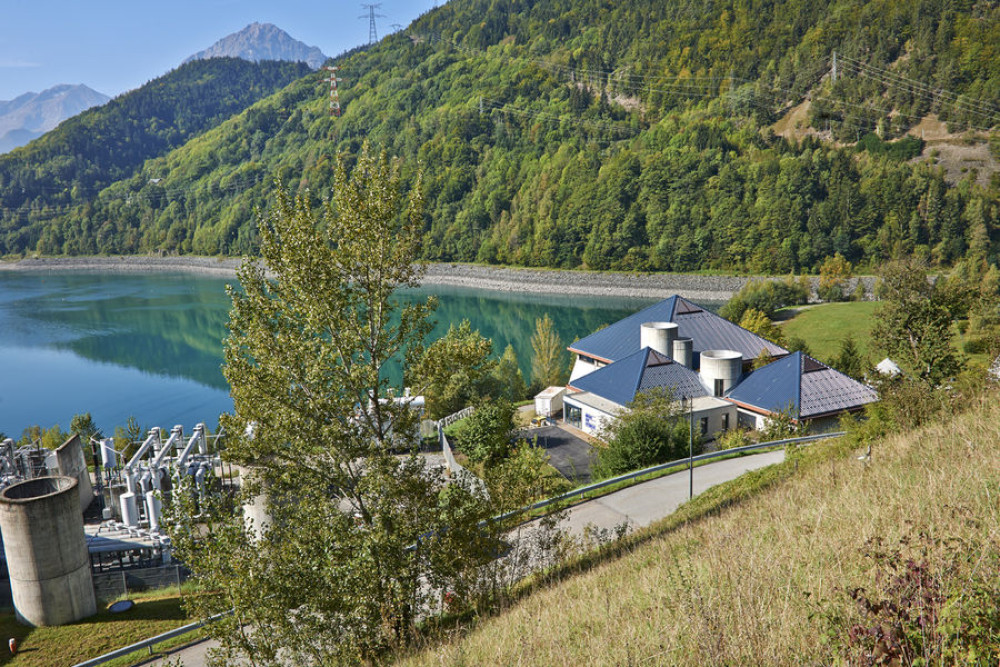
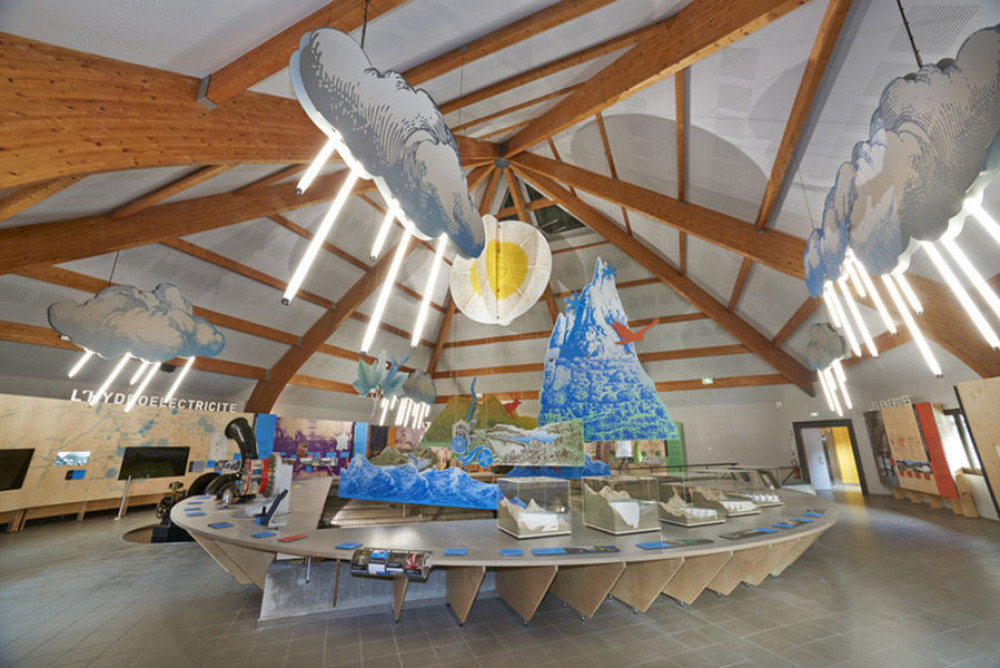
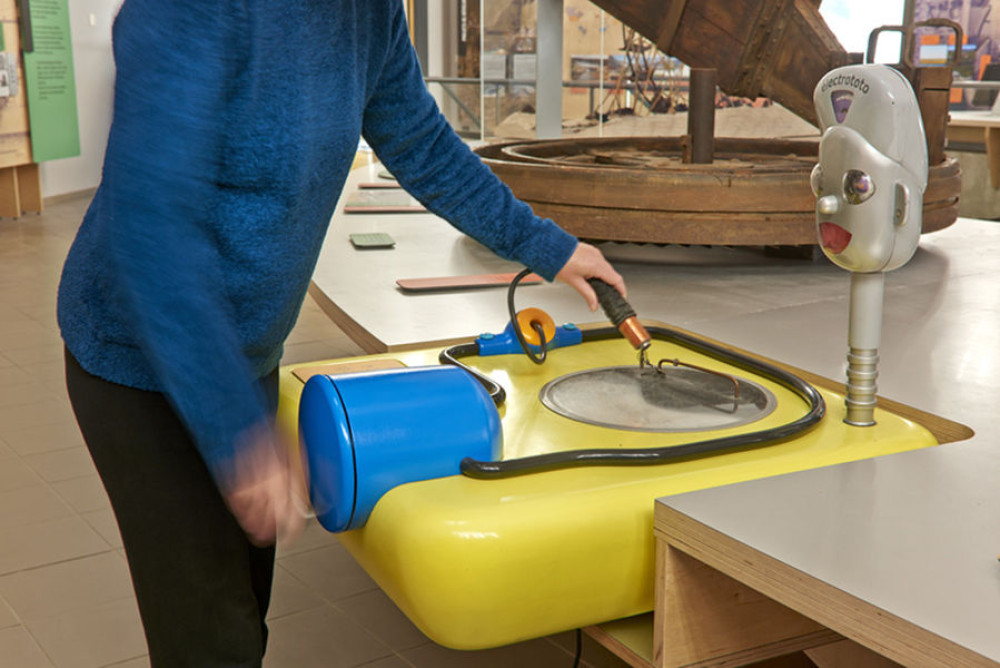
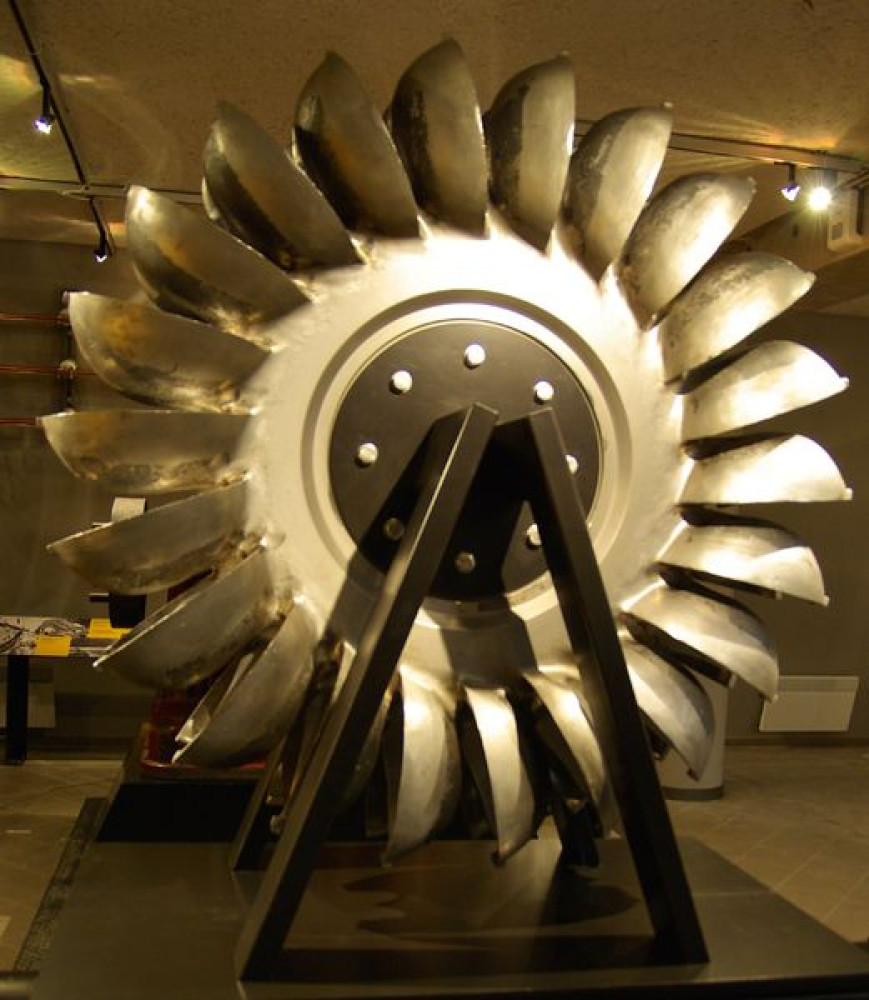
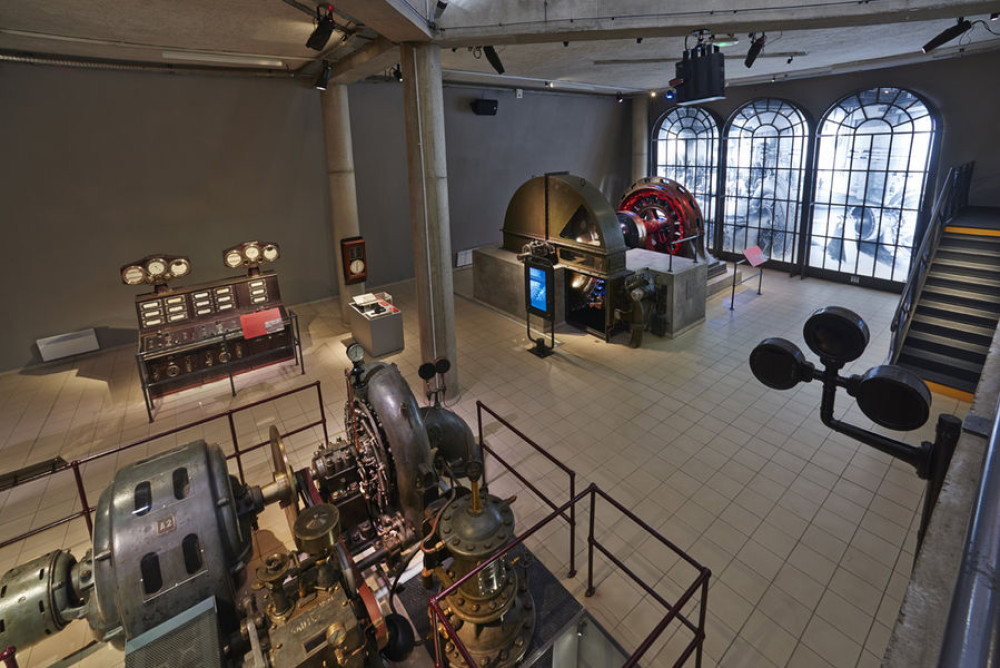
The Musée EDF Hydrélec is the only museum in France dedicated to hydroelectricity. Installed in Oisans, the Musée EDF Hydrélec features a new 900m2 scenographic display that retraces the epic story of the production of hydroelectricity.It pays homage to the scientists, engineers, technicians and manoeuvres that played a role in building the hydroelectric power stations and dams, some of which have become an integral part of our heritage and genuine works of art. Installed in Oisans, in the heart of an area with a long history of hydroelectricity, the Musée EDF Hydrélec has now been awarded the «Musée de France» label. It features a number of unique collections comprising scientific and technical objects from the 19th and 20th centuries.
Member of the "Route of the know-how of the Oisans", he organizes the guided tour "Exceptional electricity" on reservation ..
This establishment offers the E-Bike Service: charge your electric bike here on request (remember to take your charger).
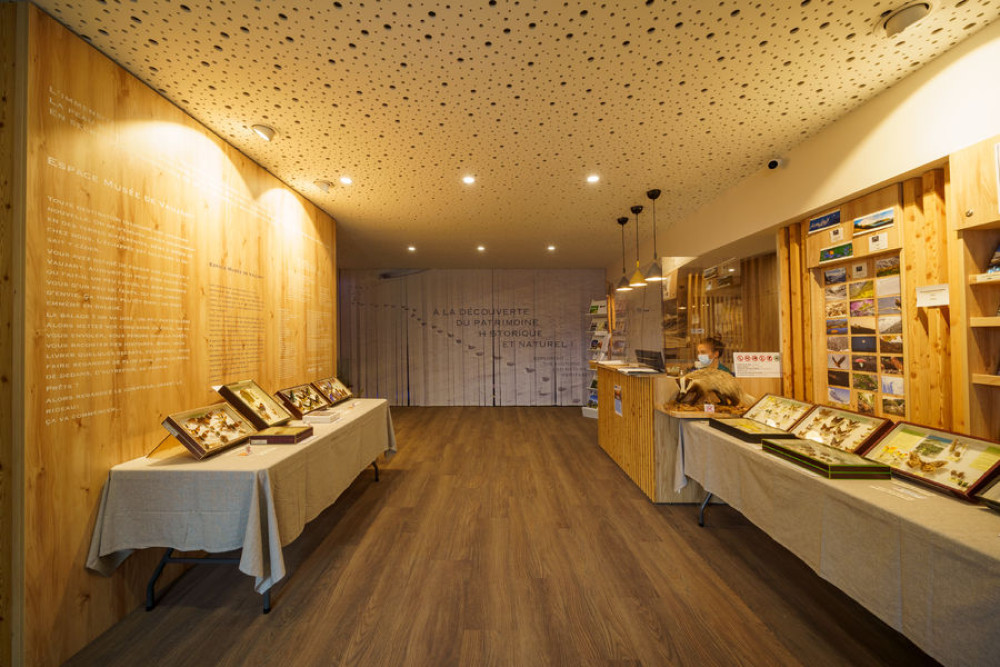
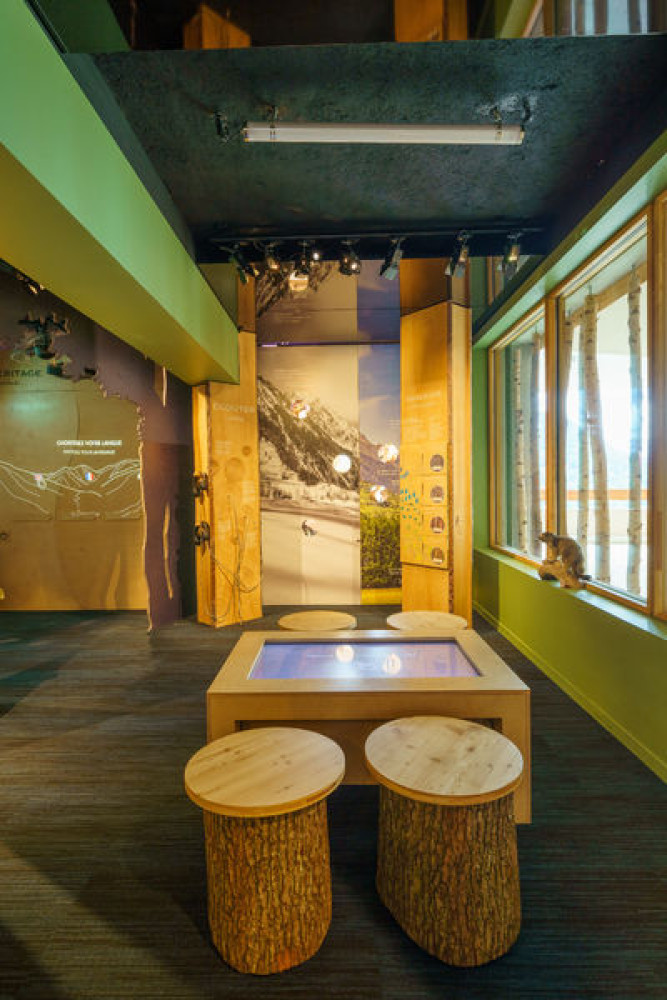
Espace Vaujany Museum will be a traveler, unforeseen, adventurer, discoverer ... You will be pilot, mycologist, snowmaker or musheuse.
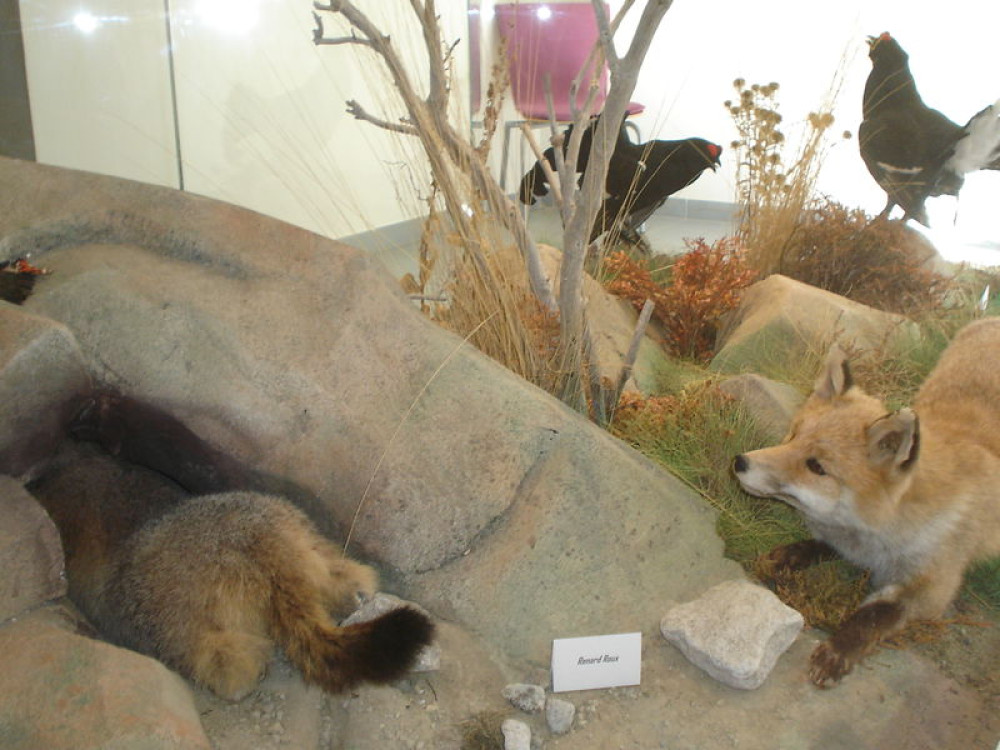
You will learn to recognize the animals in their footsteps, the small flowers to their perfumes etc ...It is an immersive space of discovery, discovering nature as historical heritage, discovering great local revolutions as challenges for tomorrow.
Poly sensory, playful, we manipulate a lot of things, we look and we marvel, we learn too, and we play with family, a lot.
It is an "ageless" space for curious souls, an adventure-discovery full of emotions and surprises, actions and sensations, not least!
AND WHAT ARE WE FIND? : A travel!
After a spectacular and sensational arrival in Vaujany, which we will not reveal the content, you will enter no animals ... in the forest.
There, before you venture, you will be given all the keys to reading this territory unique in the world: A multimedia animation will finally allow you to understand the formation of landscapes, and how the geology of Vaujany is exceptional. You will finally understand the movements of the African and European plates. At the origin of the formation of the Alps, the evolution of the reliefs, and in what they are so specific!
An animated model, equipped with small optical theaters, will offer you a scholarly journey in the landscape: you will be told about aiguillettes and streams, ski slopes and all that makes up the landscape.
The adventure can then begin.
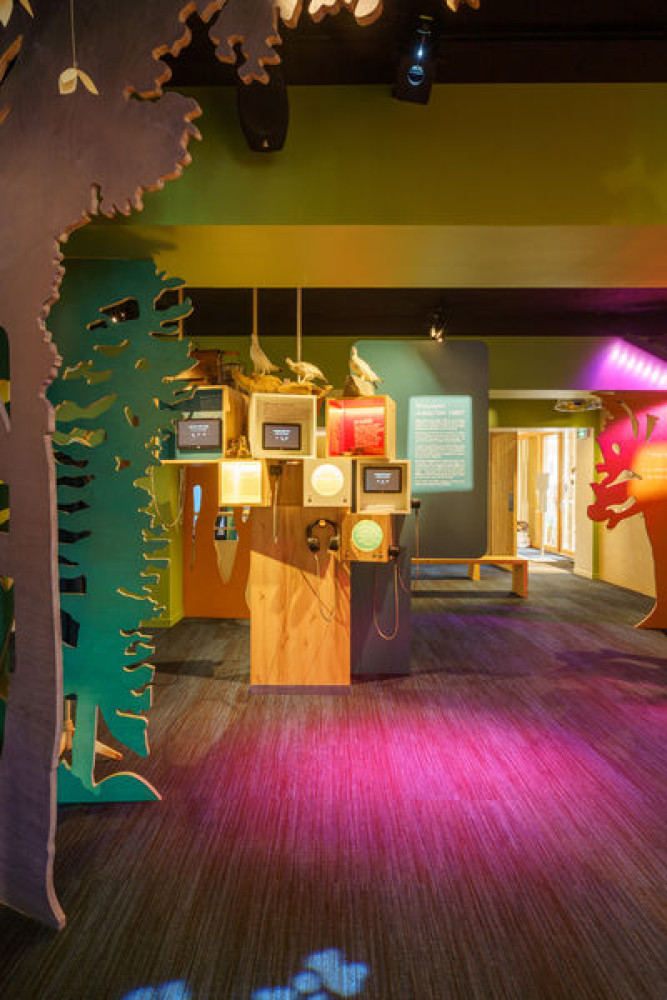
An immersive walk in the forest will allow you to discover all that composes it:
- Wildlife: you will finally learn who lives where, depending on the environment or altitude,
- The flora: an immense interactive herbarium will help you to recognize the flowers that you encounter during your walks, those hidden under your skis in winter and that delight the spring here and full boxes will reveal the secrets of pharmacopoeia as the recipe of Génépi or the spice jam of the peaks,
- Mycology: you will become a savvy picker or an outstanding cook,
- In the forest you can also have fun to recognize the footprints of the animals, the song of the Tetra Lyre or the grunt of the wild boar.
Even the secret breathing of the trees will be revealed to you !!!
A moment of pure scientific magic!
The whole bathed in an extremely stenographic environment which, thanks to a deployment of immersive technologies, will make you live a real spectacle.
Your walk will also lead you to meet the men and women who made and do Vaujany:
Hidden in little magic boxes that will reveal their secrets, you will find the past life, with stories of elders, the enmontagnement and the first school ringtones, you hear the hawkers pass and we will remind you all the small trades that we used to practice here ...
You will then switch to Vaujany today: an unspoilt village, its rules of urban planning and its construction bias, a tourist resort, its offers and its orientations.
It is also where you will be unveiled the big companies or the small gestures of a daily mountain, whether to limit the risks of avalanche or to preserve the roads, you will find all the techniques and the new professions (what does a snowmaker really do, what is the life of a musheuse, etc.), through videos and interviews with inhabitants, technicians, ... enthusiasts!
Finally, you will find all the local entertainment here, our parties and balls, and all that makes the charm of life in Vaujany.
You will then be able to stick to the stakes of development and of the future, and after having acquired the mastery of the data of historical evolution, you exercise with the political and strategic decision-making: three "interactive walls" will allow you to approach the big ones contemporary challenges, and practice territory politics, or simply measure the impact of your own behavior.
You will then come out of the enchanted and learned forest, and you can resume ... the way of the airs.
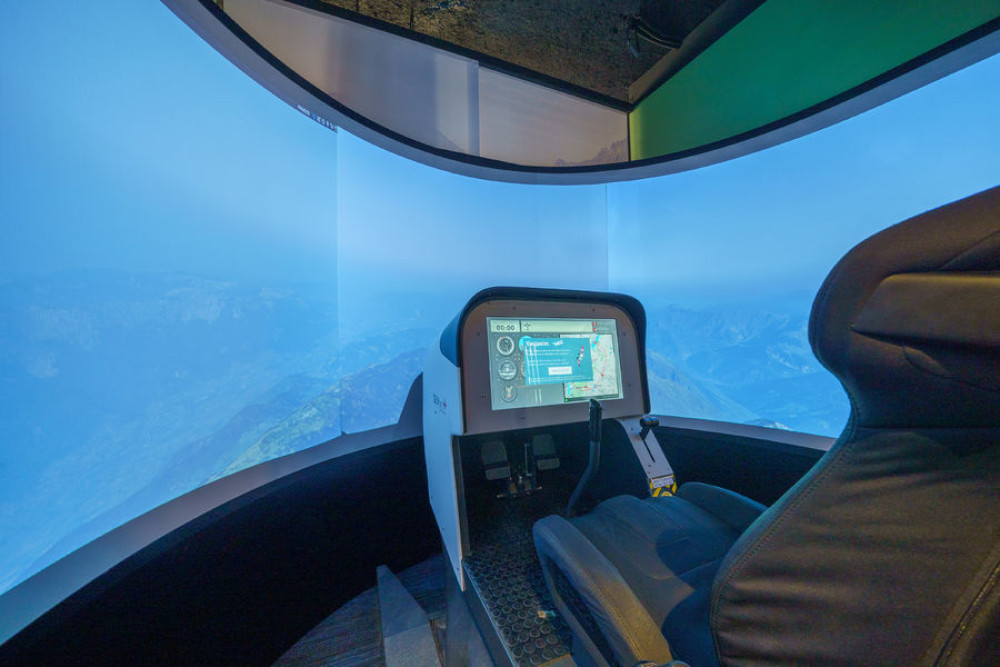
Because to close this magnificent course, we decided to install a real professional flight simulator, which will give you the exceptional opportunity to learn the piloting of an aircraft flying over Vaujany and its surroundings: attention, possible crash !
Group visits by prior arrangement.
 Isère Outdoor - Trace - Col de Croix de Fer - mountain pass