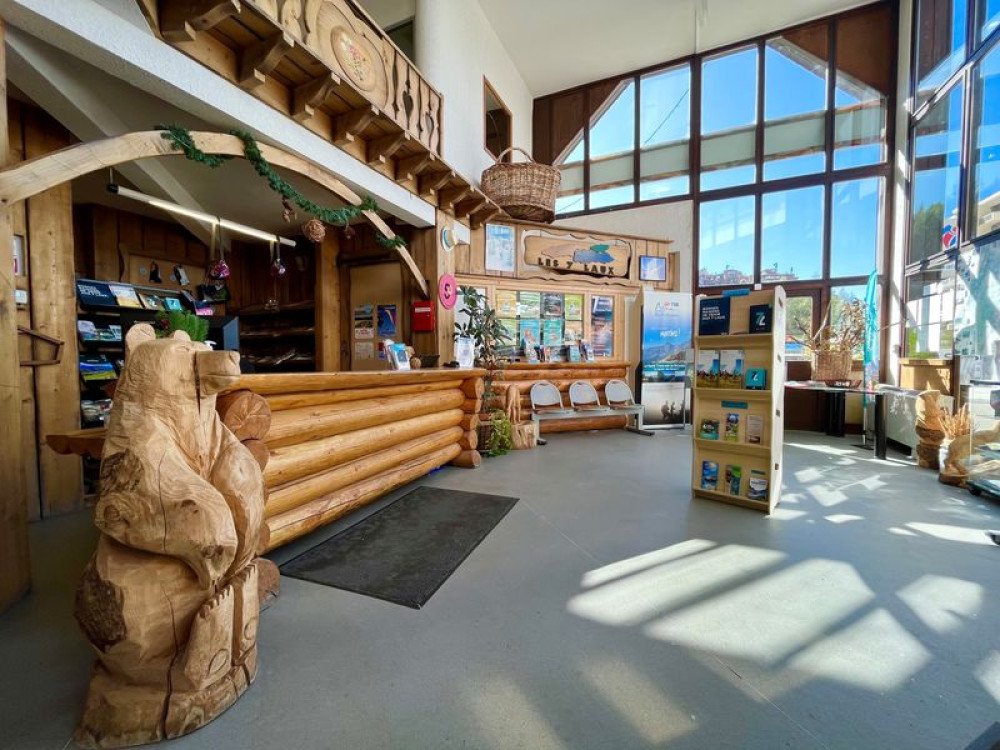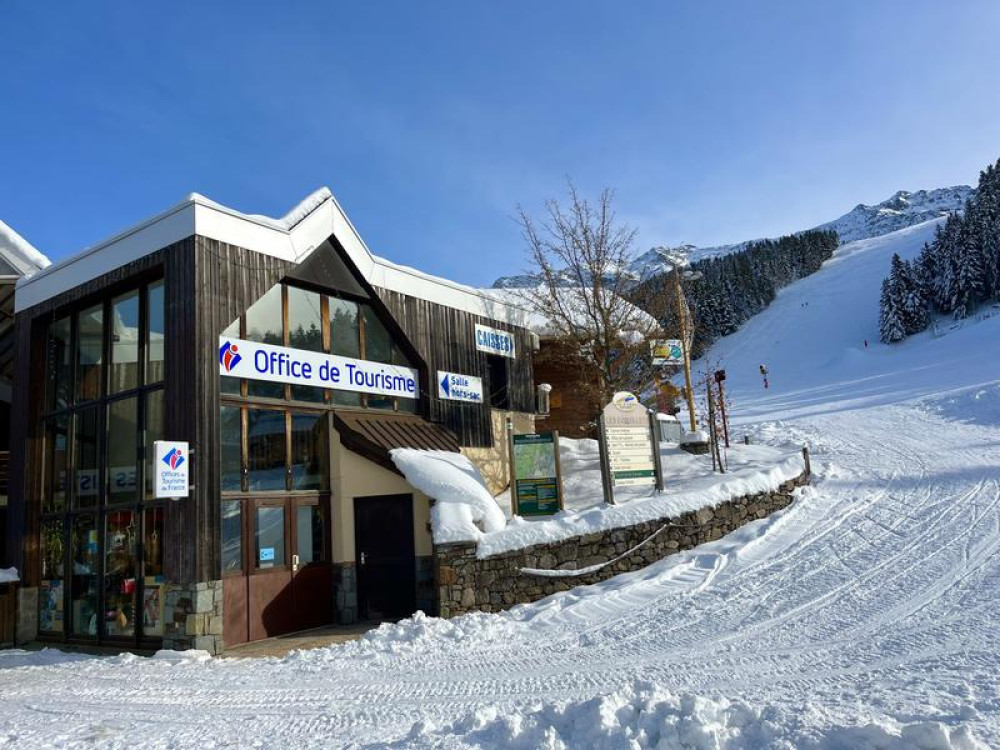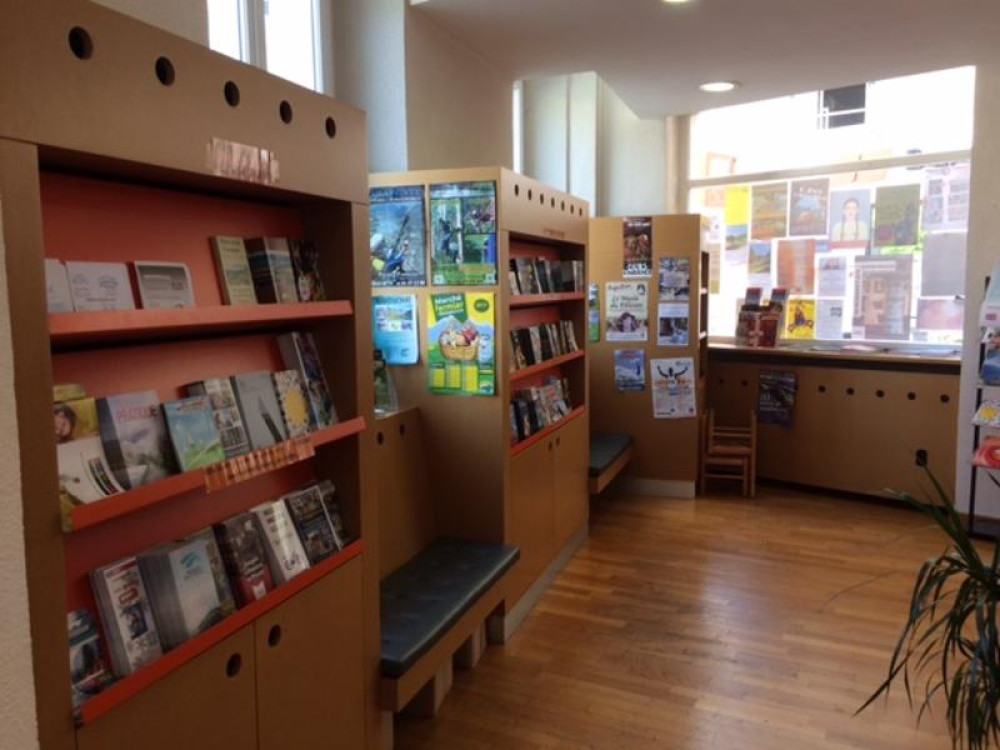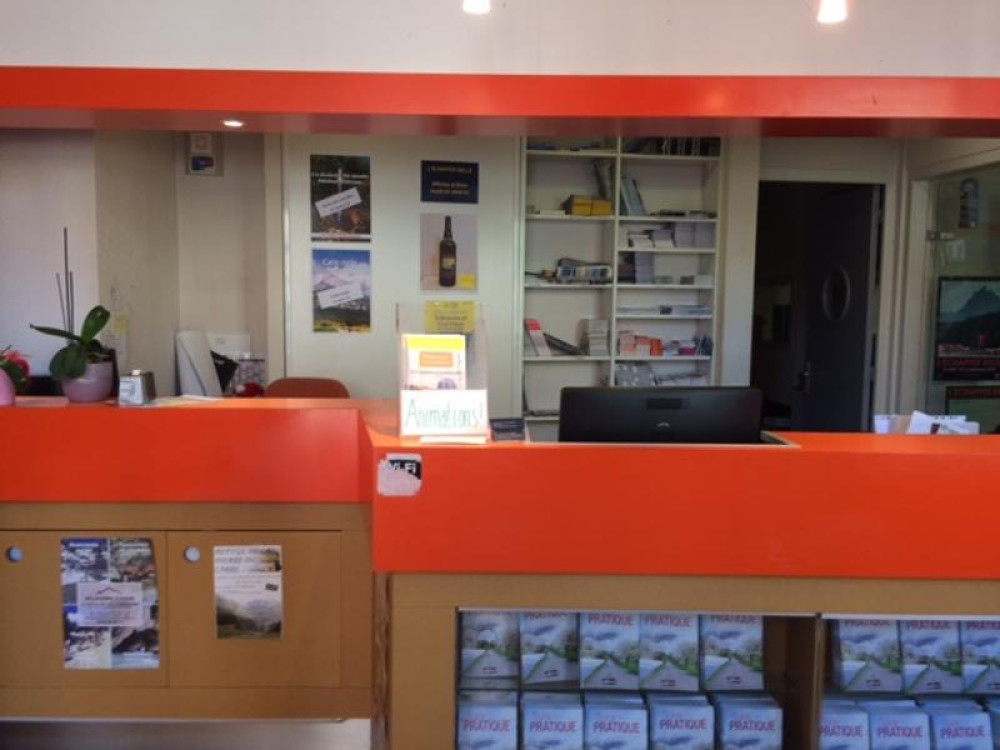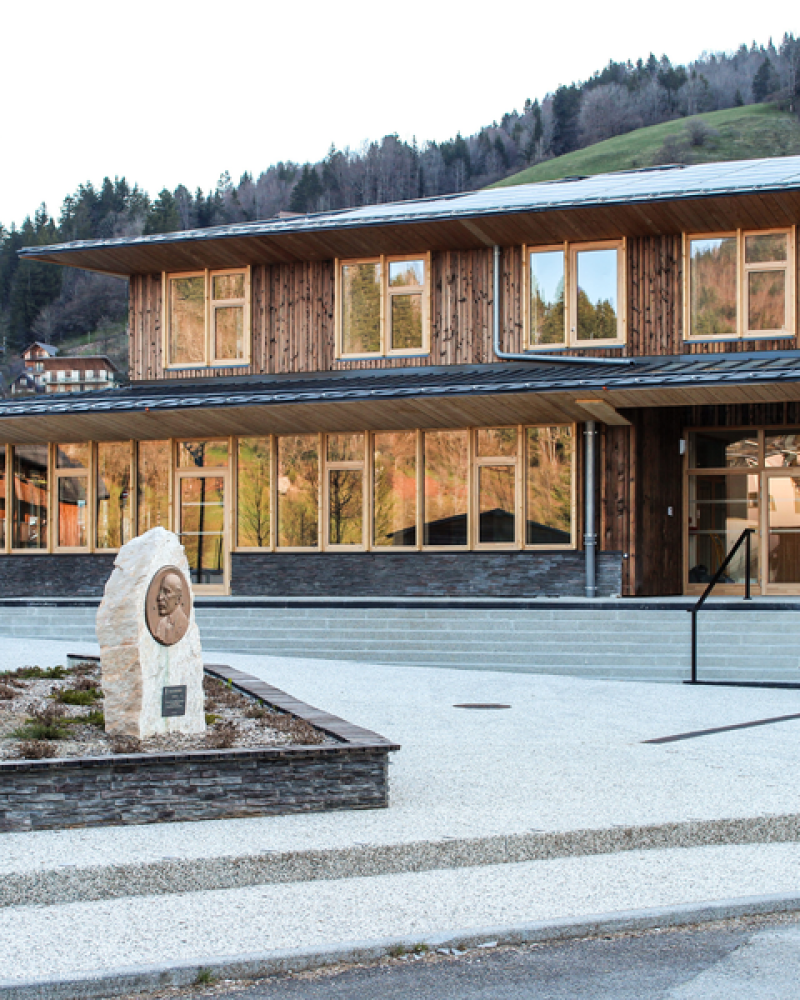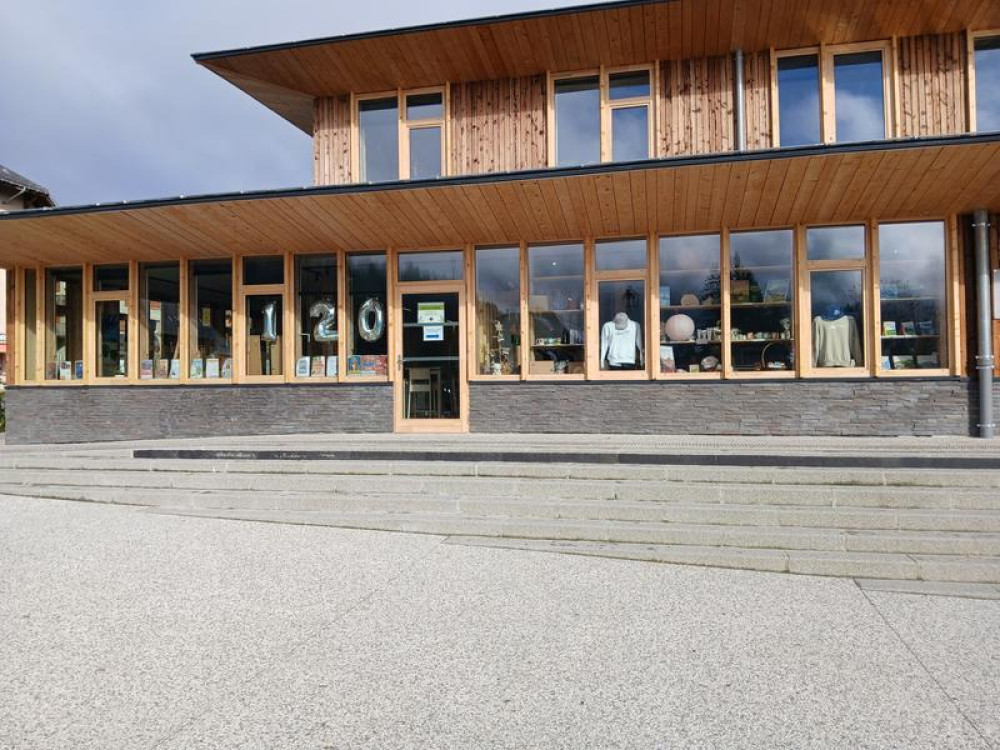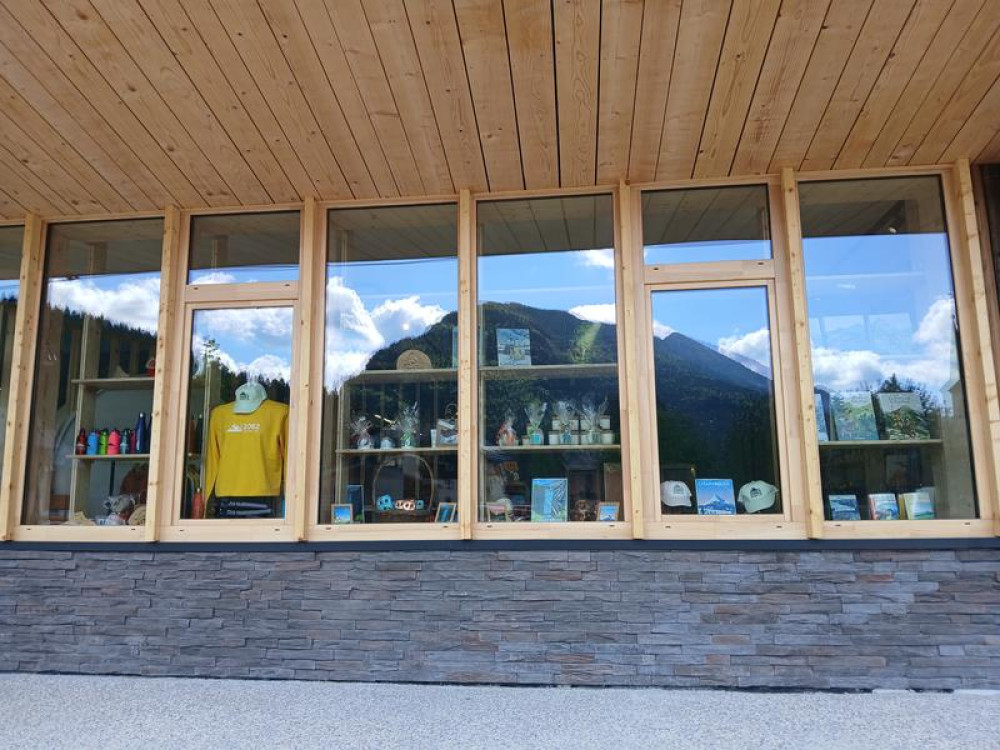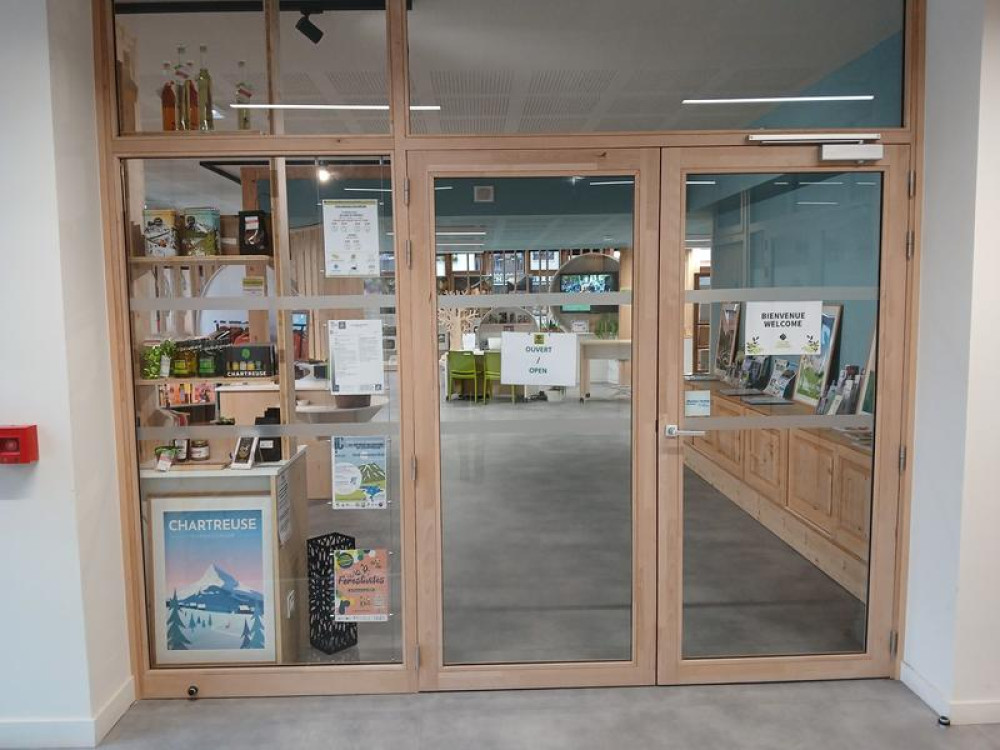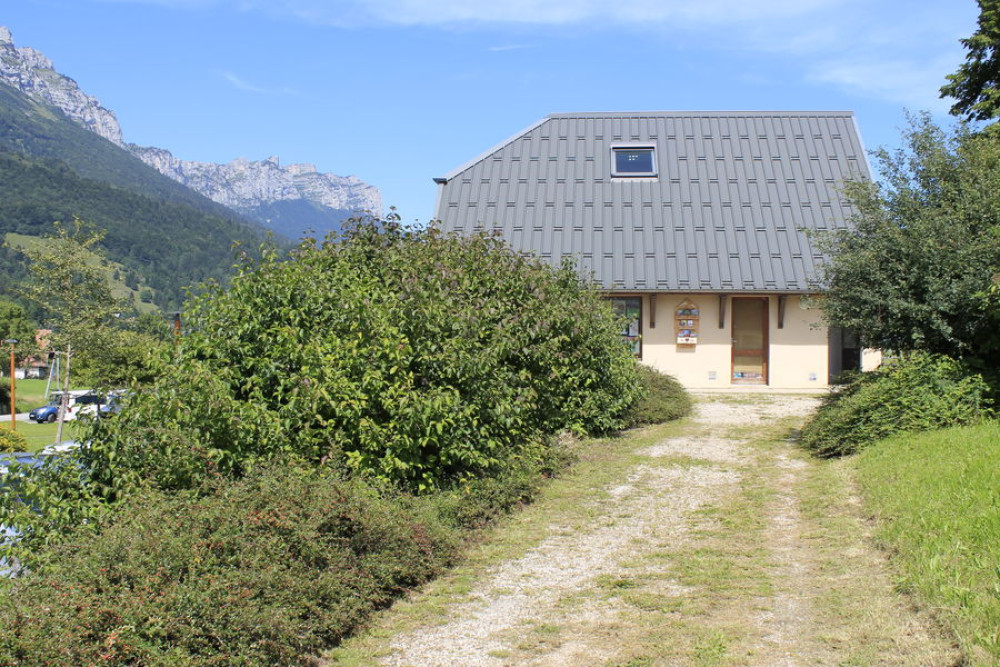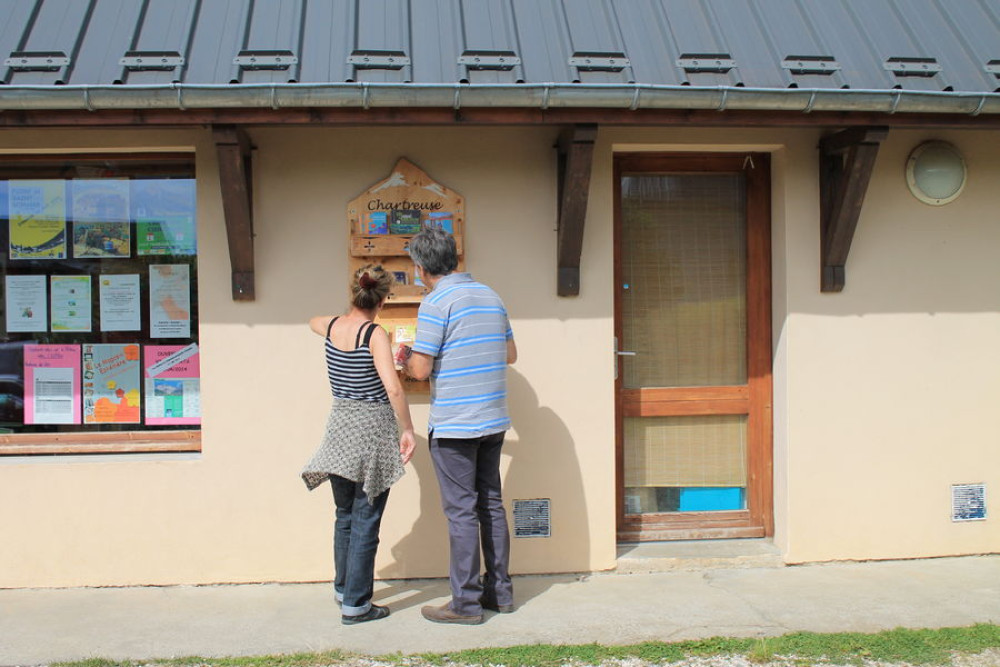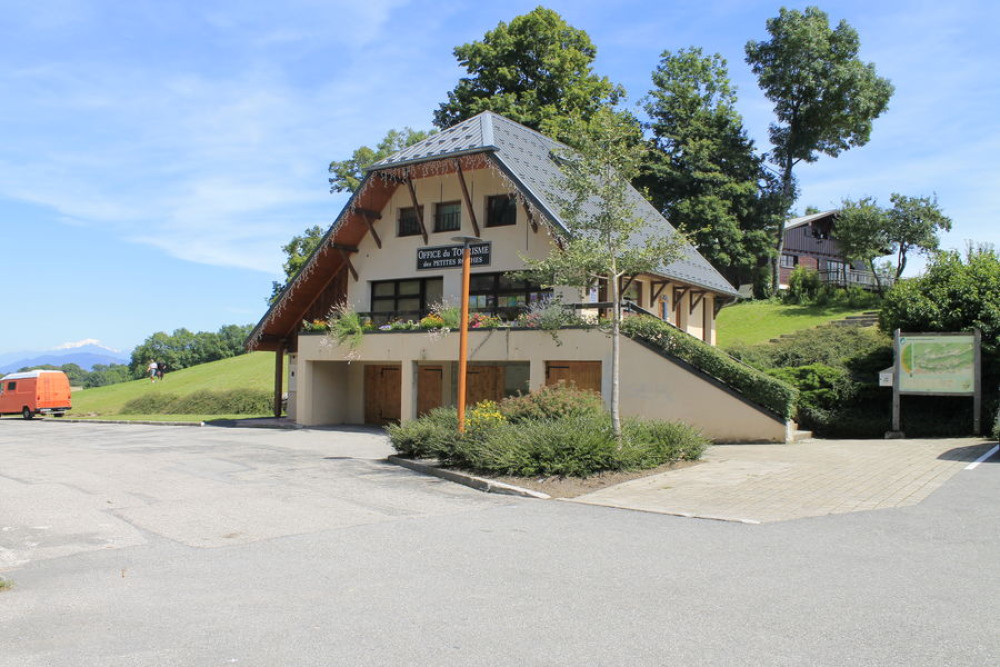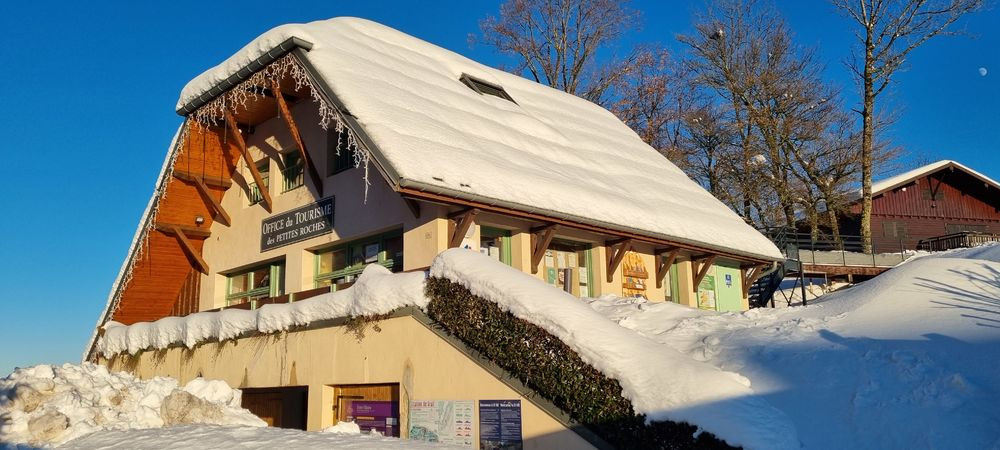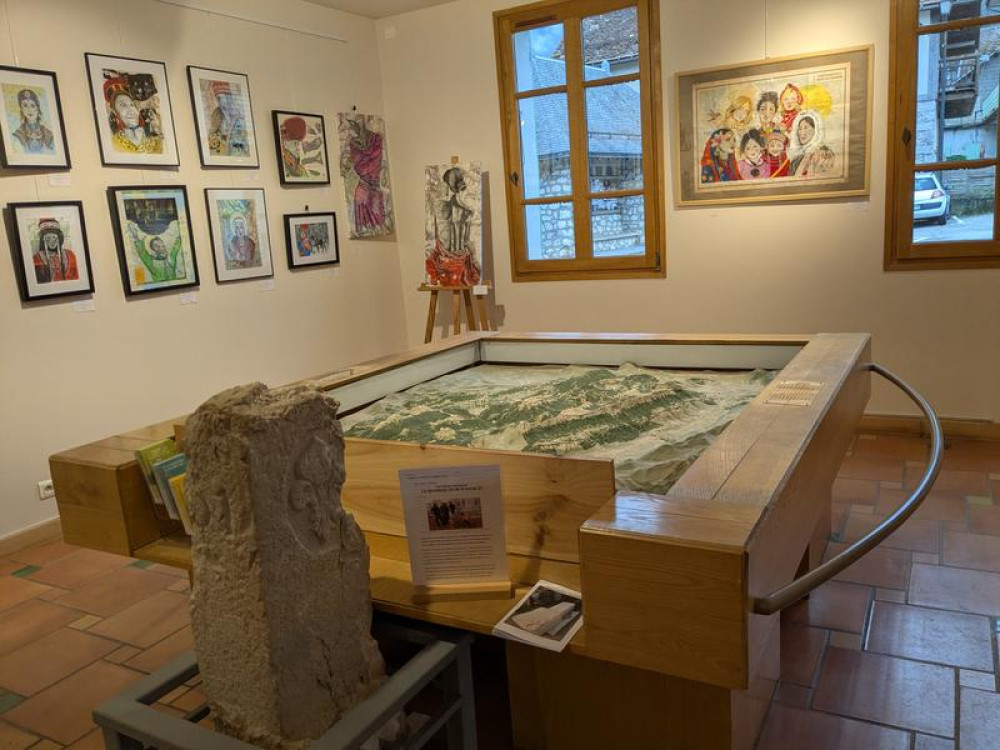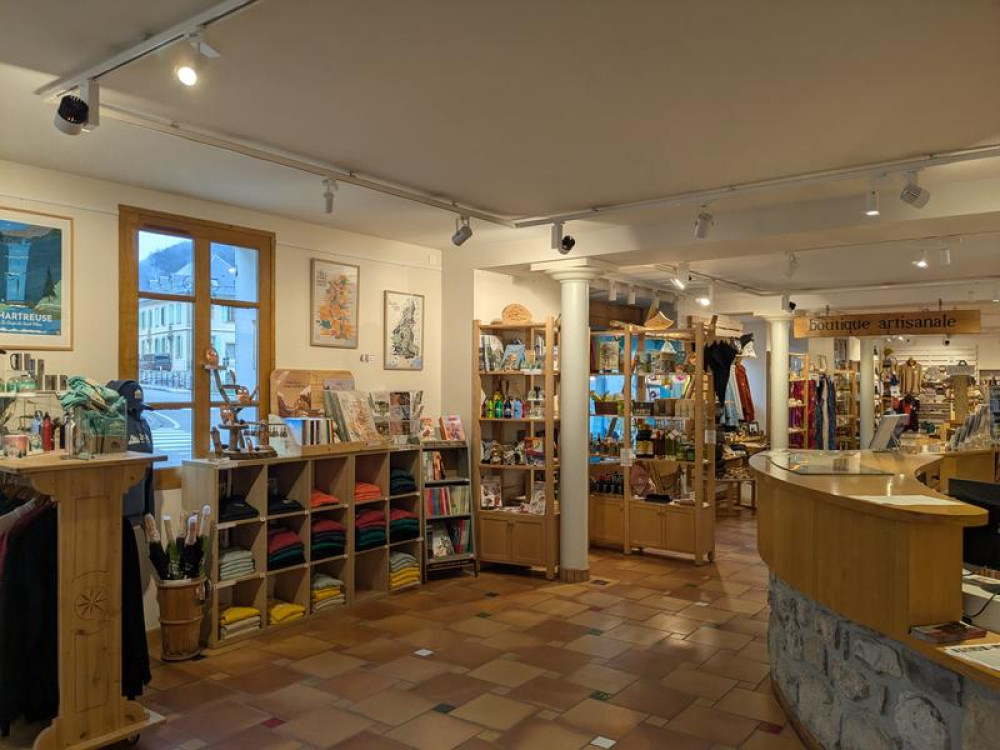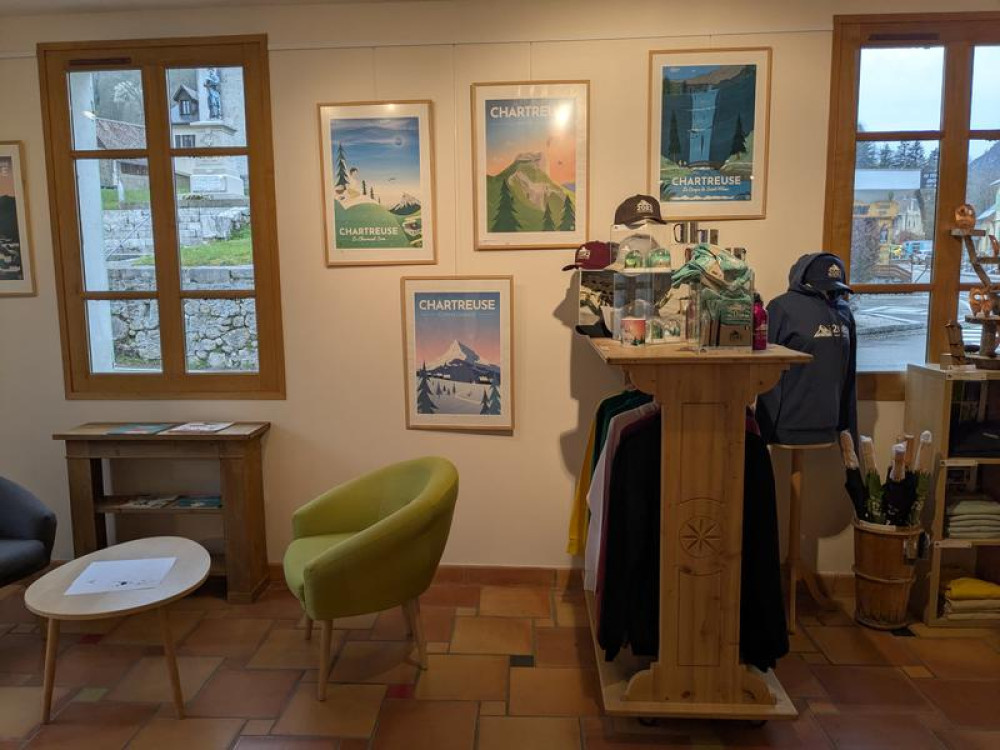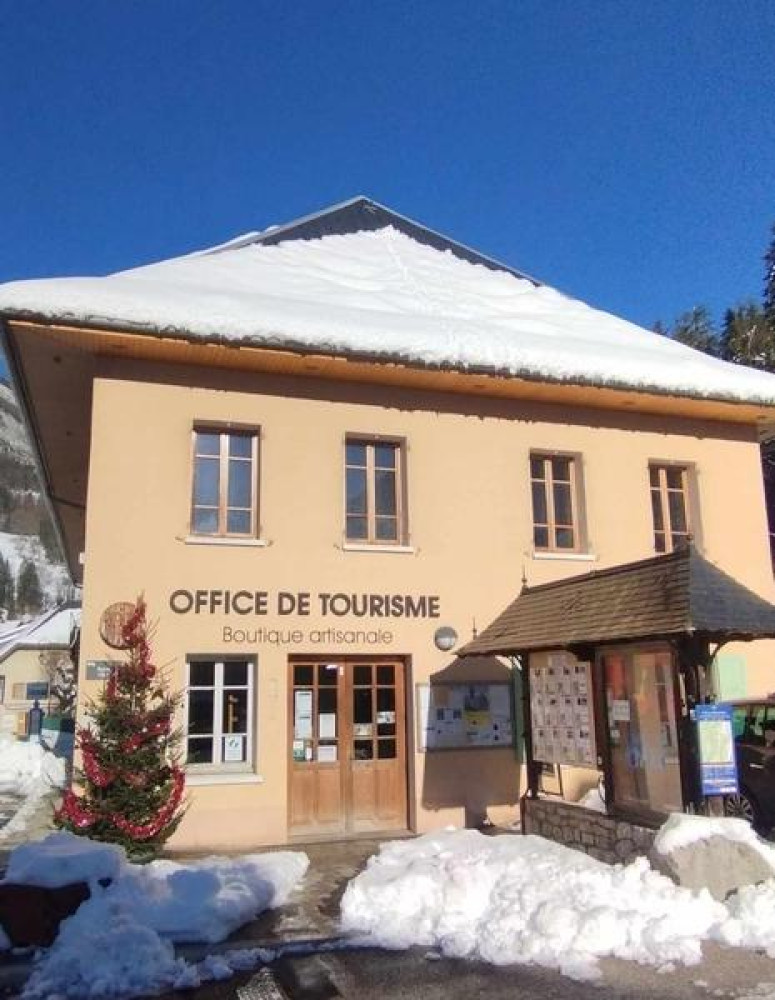
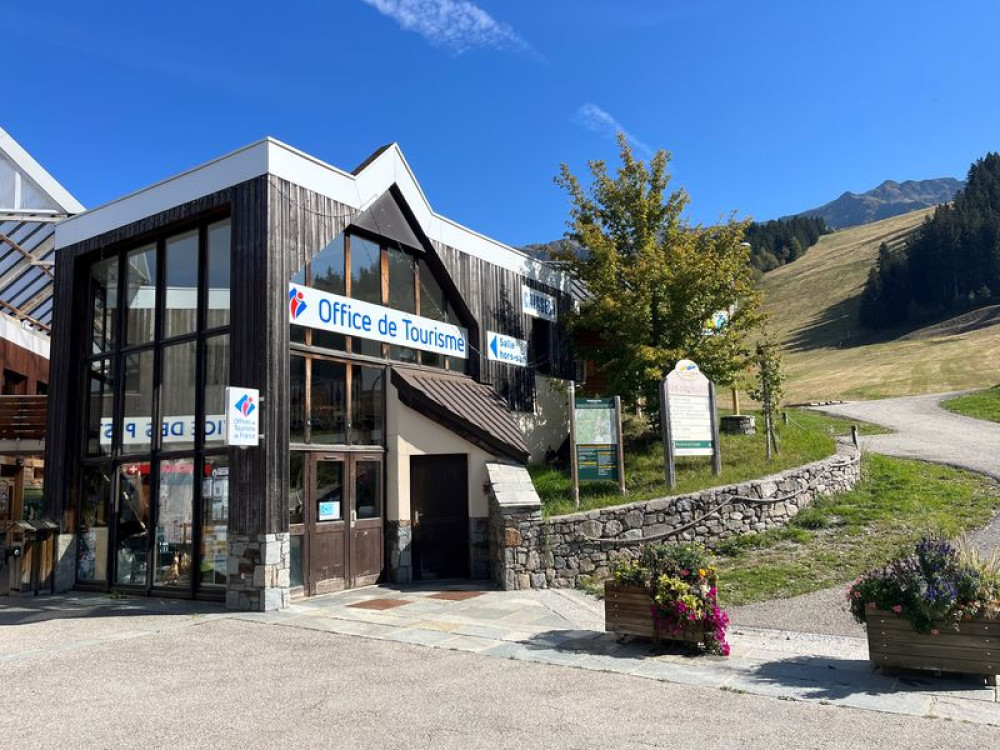
The 7 Laux Prapoutel Tourist Information Office is located at the foot of the slopes and in the centre of the resort.


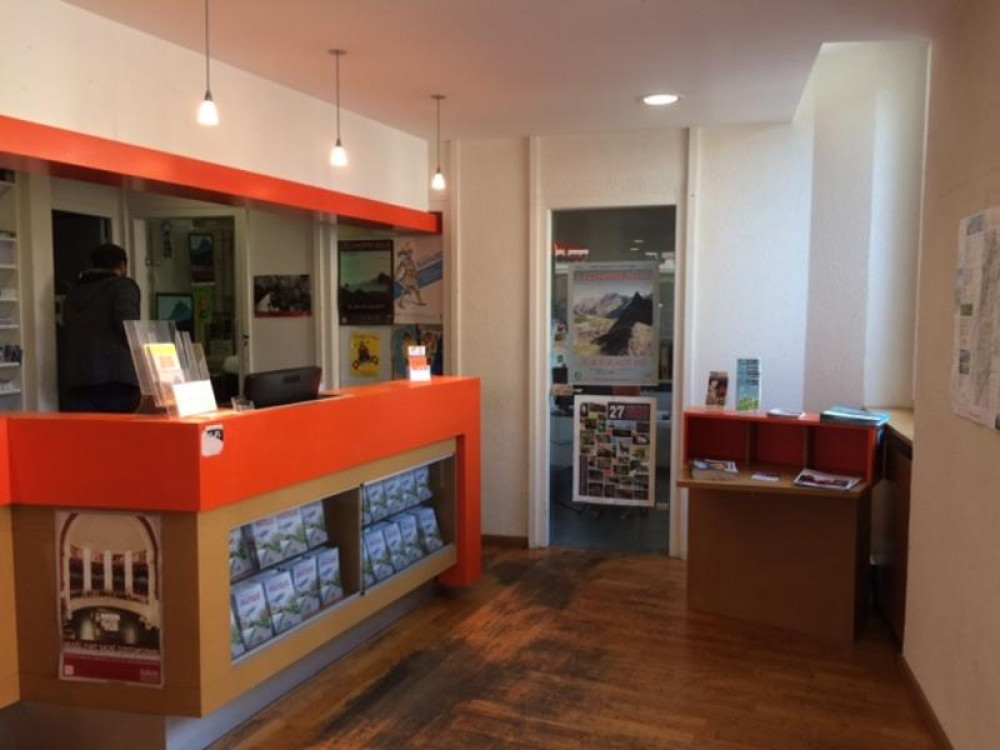
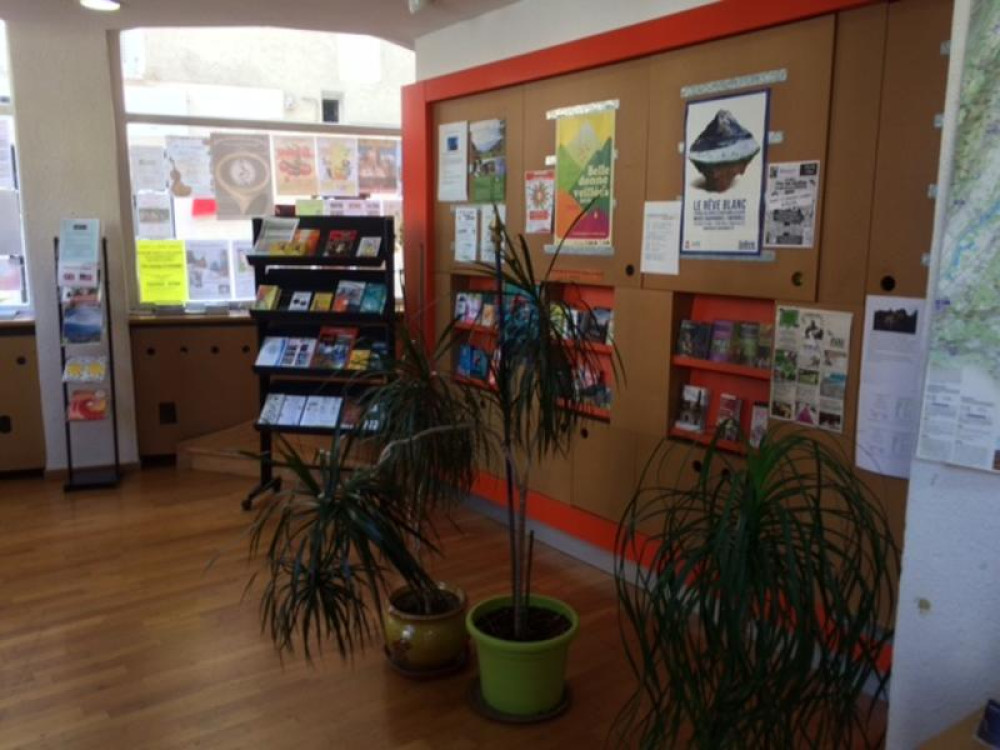
The whole team at the Tourist Information Center is happy to be able to advise and guide you during your stay. Don't hesitate to contact the Office for expert advice on the area and on all the activities that are proposed in our surroundings.In addition to the reception service, the Tourist Information Office has a reservation center to help you find the accommodation that is exactly right for you. It also has an entertainment service and a groups, incentive and seminars service.
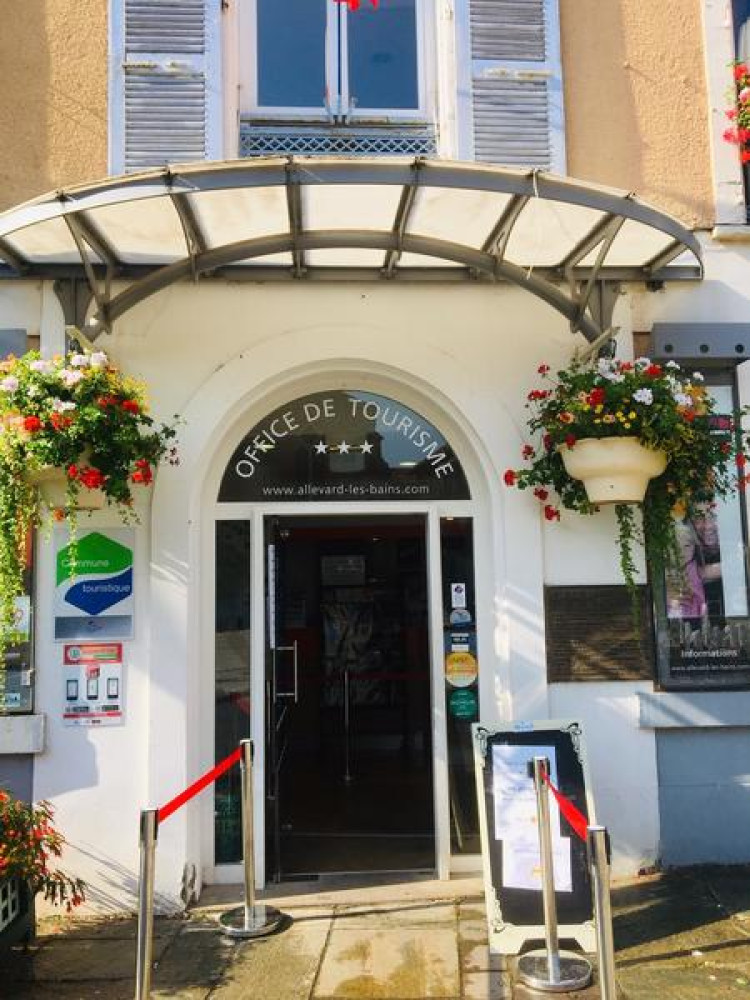
Allevard-les-Bains has many assets:
- a spa, treating the respiratory tract and rheumatology from April to the end of October
- An unspoilt setting with 240 km of marked hiking trails, a lake and mountain activities.
- Two nearby winter sports resorts: Le Collet and Le Pleynet-Les 7 Laux.
- A Nordic ski area: Barioz.
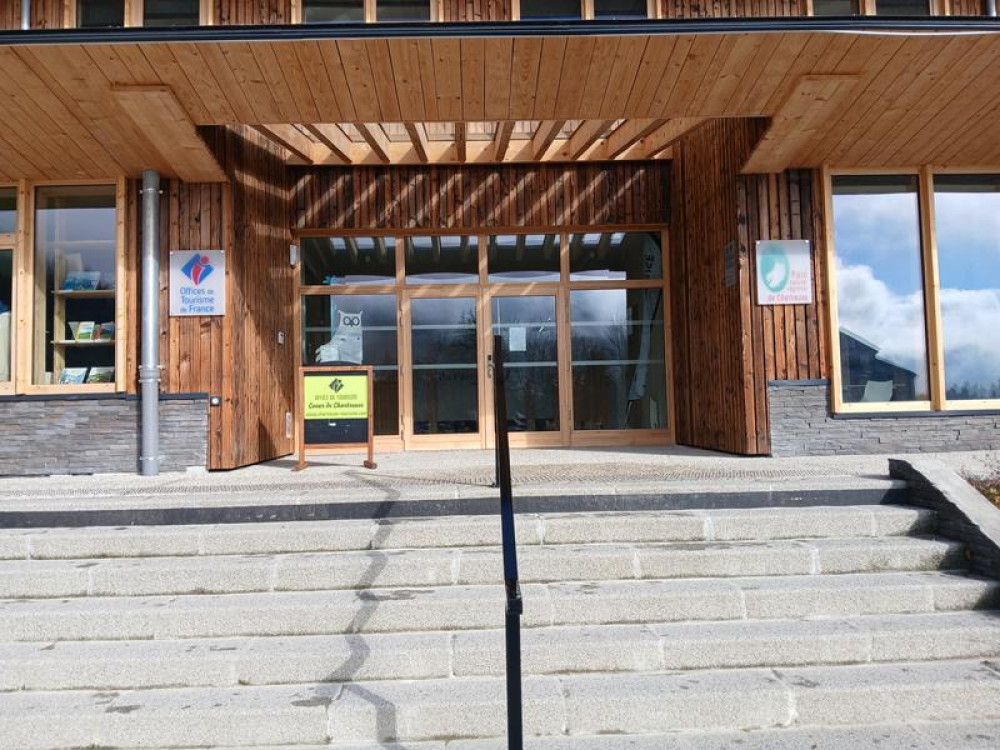
Carole, Laura, Sarah and Chloé are here to welcome you, provide information and offer advice on local activities. We also have a shop and offer ticket services, fishing permits and coach tickets (Relais Cars région).
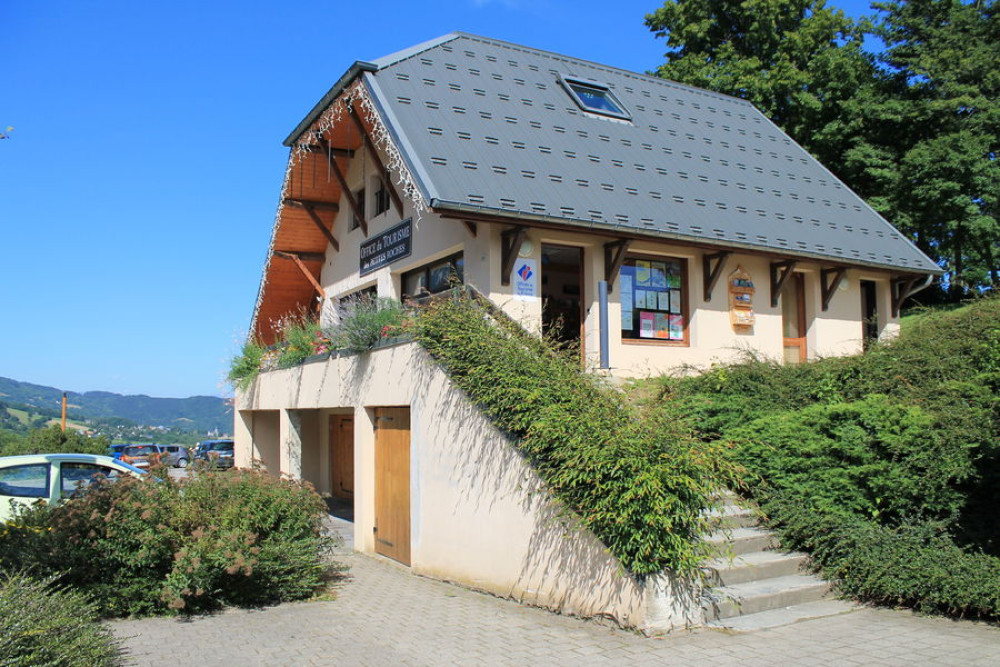
Located in the heart of the Chartreuse Regional Nature Park, Le Plateau des Petites Roches is a mid-mountain village that welcomes you in summer and winter with warmth and friendliness.
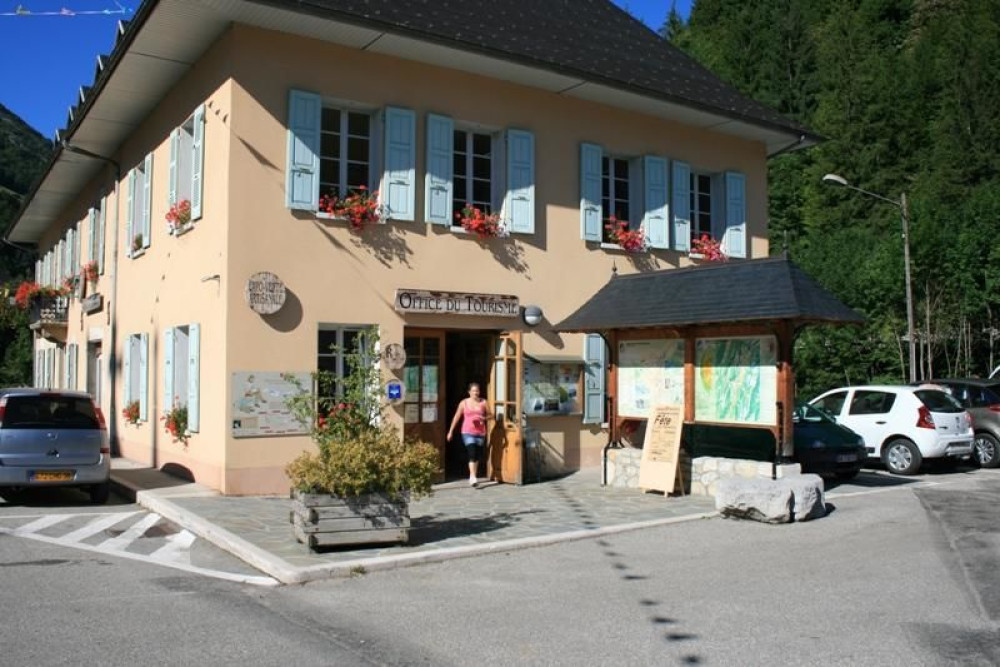
The tourist information centre of Les Entremonts welcomes you all the year. In the heart of the Chartreuse massif, the villages of St Pierre d’Entremont exude simplicity and authenticity. Ideal for relaxing or active holidays

The information office at Le Pleynet les 7 Laux is located in the heart of the resort, at the foot of the stairs leading to the ski lifts and the Wiz luge. You'll find all the information you need for your stay.
The Allevard Tourist Information Office department offers a range of events in the area throughout the year.


Period of opening : From 18/12/2021 to 03/04/2022
Opening hours daily between 9 am and 5 pm.
Closed exceptionally on January 1st and December 25th.

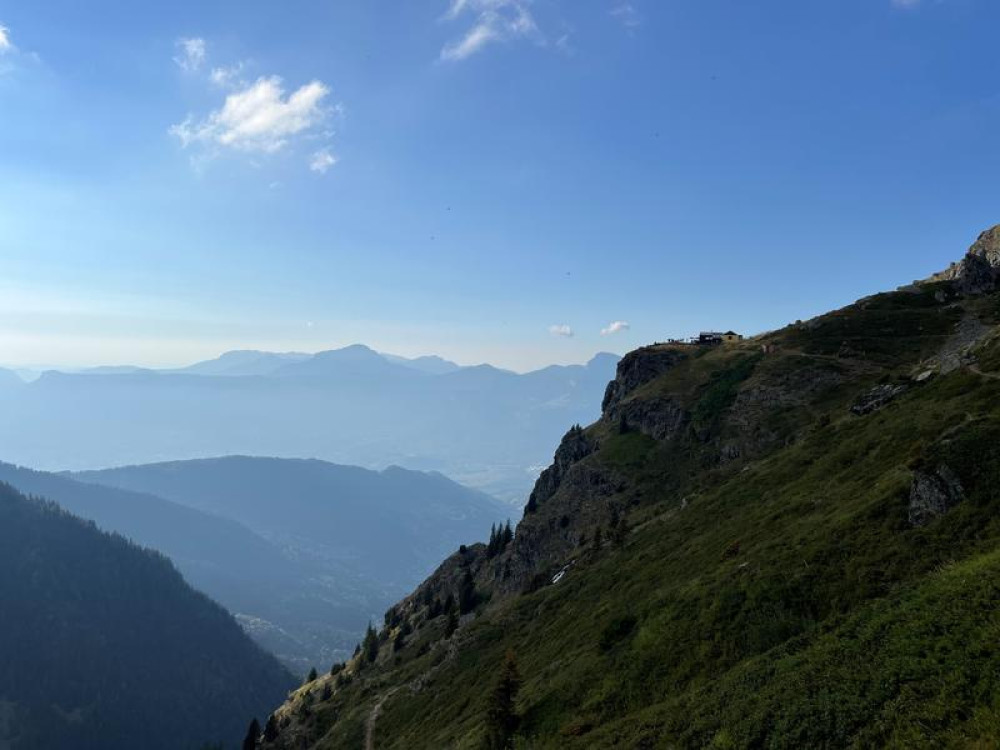
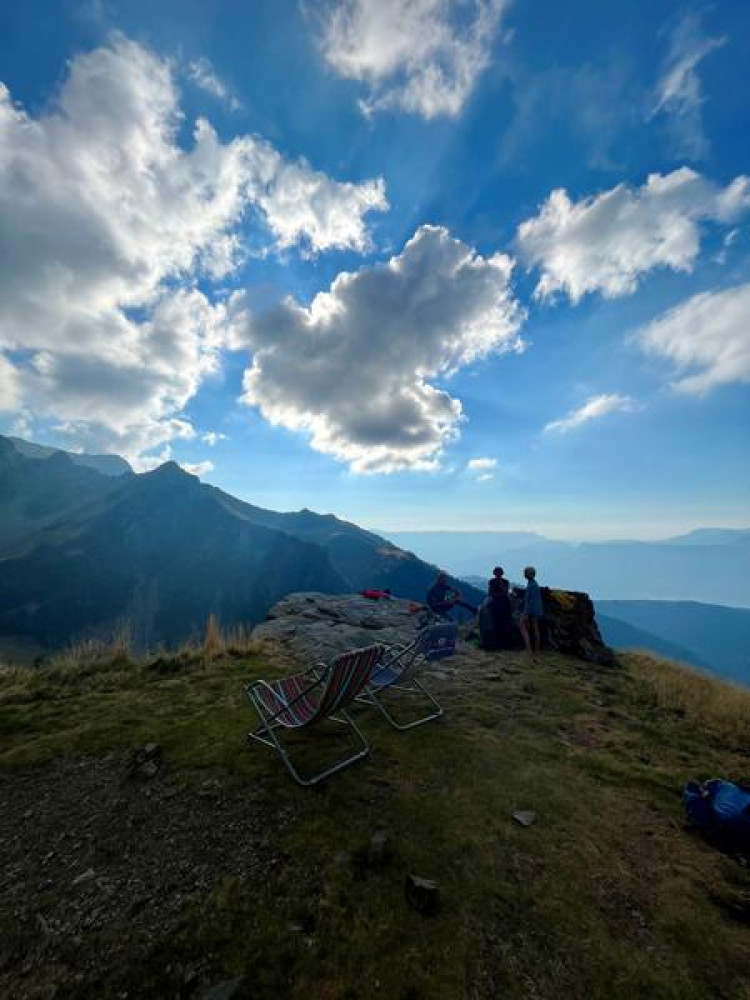
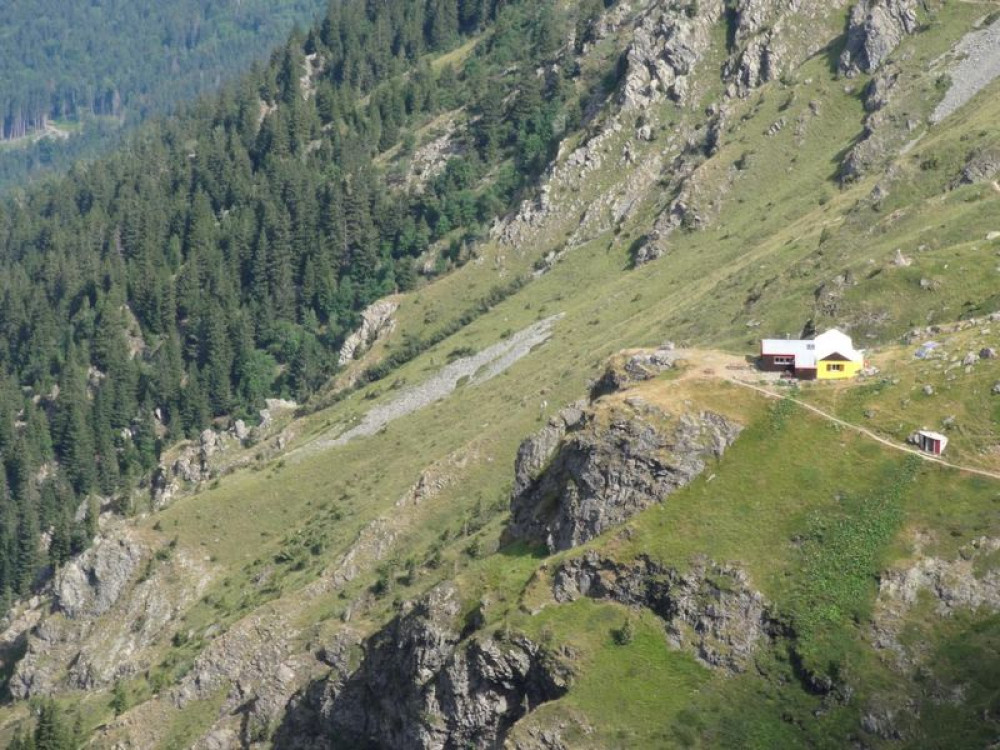
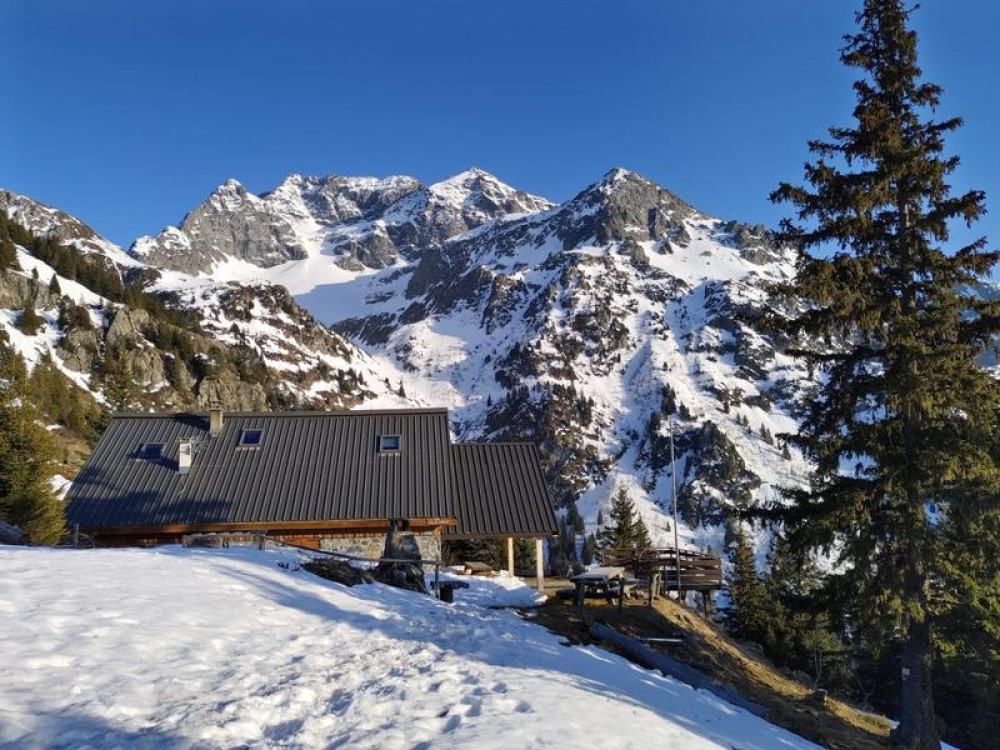
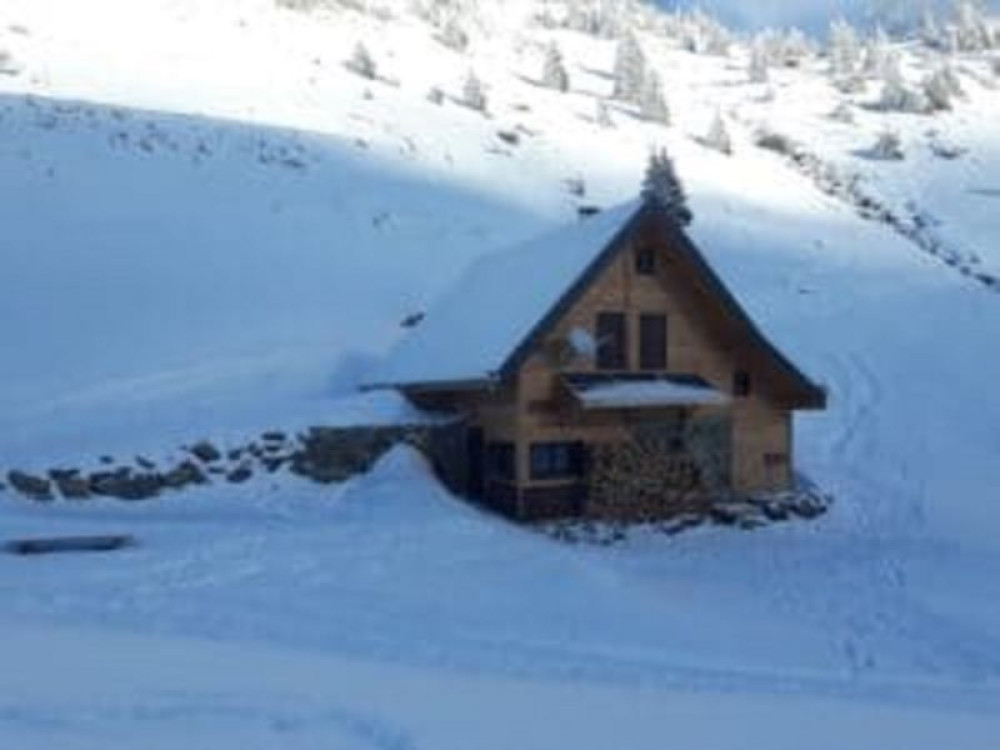
If you in need of a quiet and relaxing time in the middle of nature, hiking to this mountain hut is your answer. You will sure appreciate eating home-made food on the terrasse enjoying the amazing view of the mountains around and discovering the conviviality of spending a night in a guarded mountain hut.The hut is situated at an elevation of 1700 meters with a beautiful panoramic point of view.
From the Parking lot in the "Espace Nordique du Barioz" at 1400 meters altitude, you'll find two different trails, the one on your right is a little trail going by "Pierre roubet" (name written on the yellow signs) the one on your left is a mud road.Period of opening : From 14/05 to 02/10/2022, daily.Prices : Night: 12 €
Bed and breakfast: 19 €
Breakfast: 7 €
Dinner: 18 €
Half board (pp): 37 €
Half-board (child): 29 €.
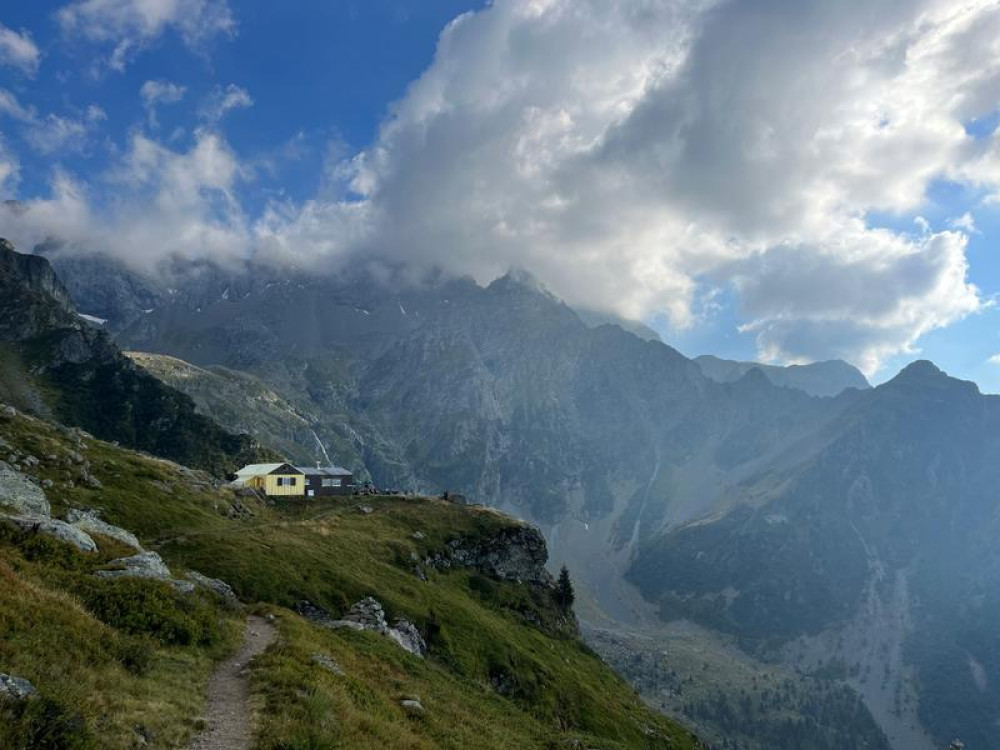
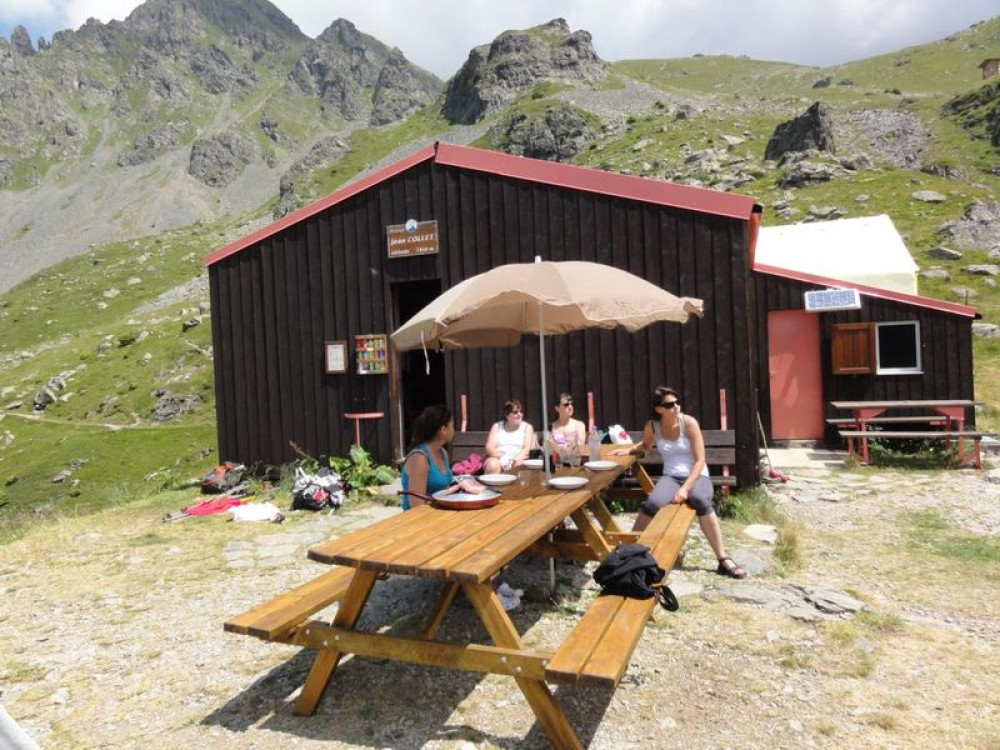
Located on a vantage point, the Jean Collet refuge is a quiet, cosy spot in the middle of nature. The hikes around the refuge, which are of varying degrees of difficulty, will take you to the lakes and passes of the Belledonne.Getting there :
High gain :
Walking time :
Ease of access :
IGN map :
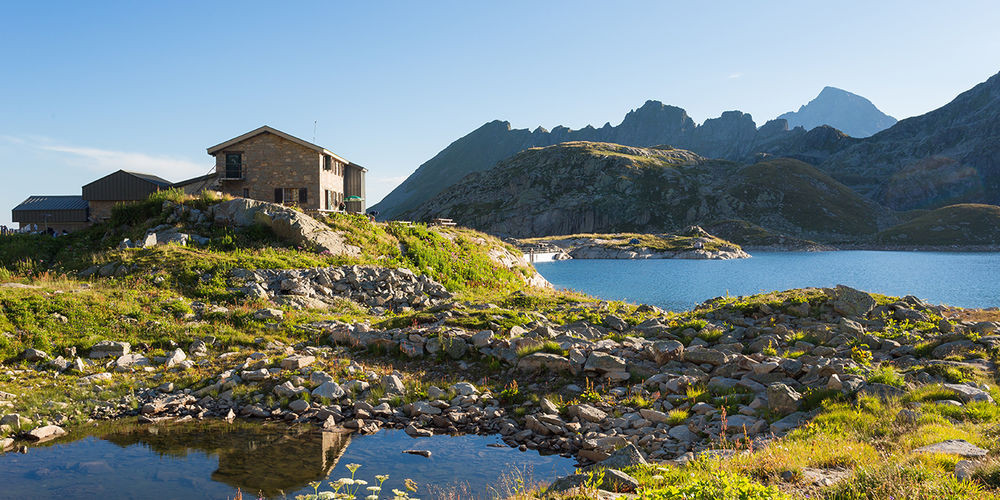
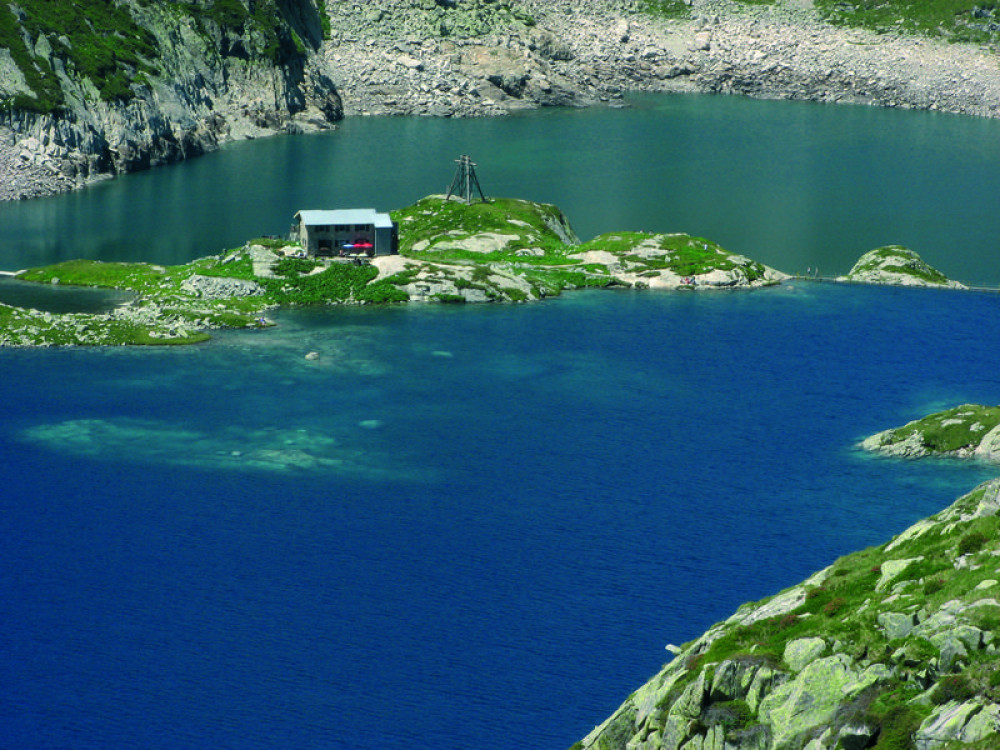
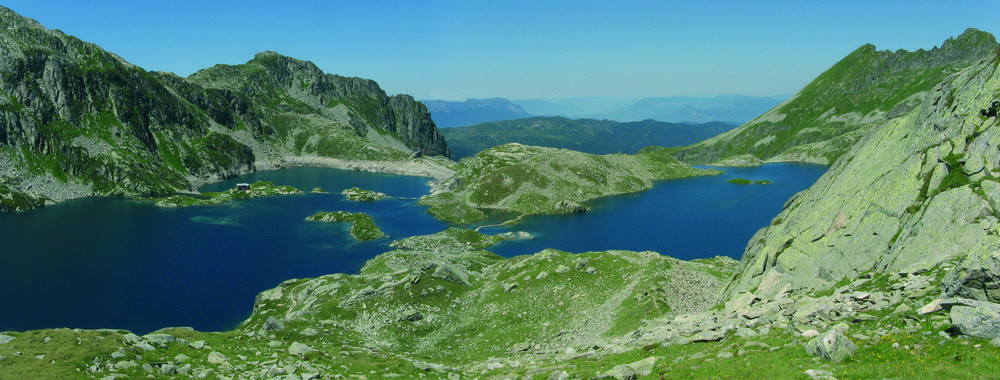
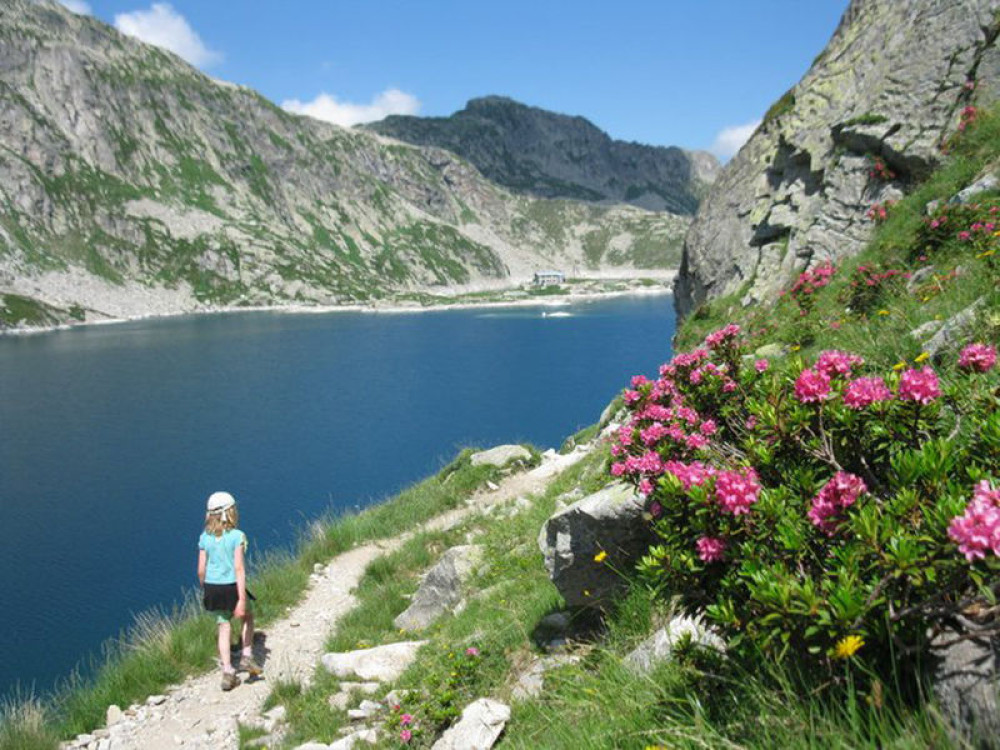
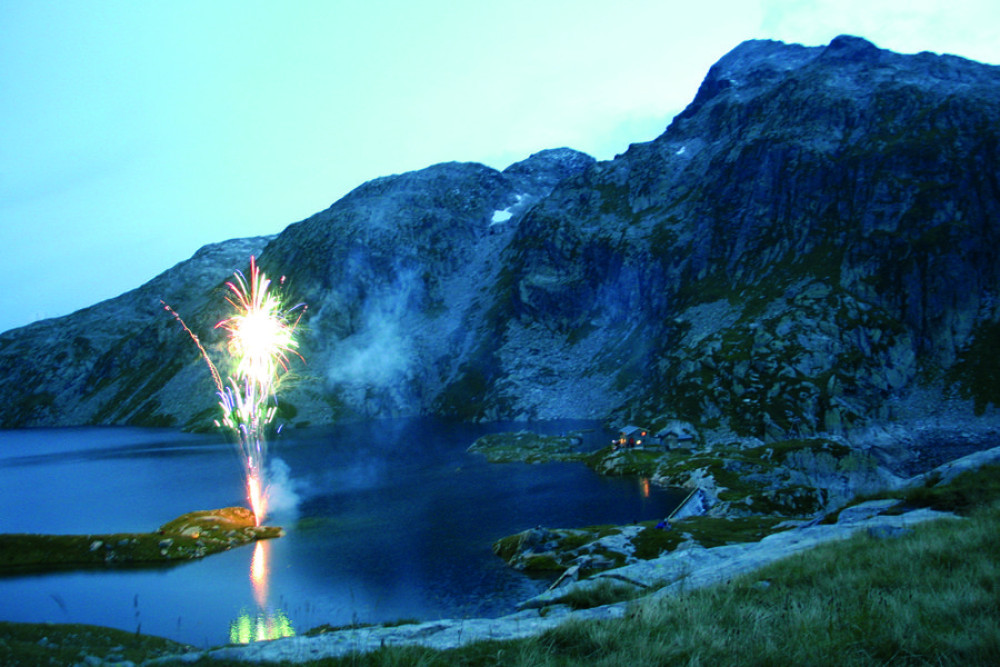
The Les 7 Laux refuge sits on an island at an altitude of 2,135 m, surrounded by the Rocher Blanc and the Pic de la Belle Etoile, and the clear blue waters of 12 mountain lakes.Getting there : By Belledonne, two routes are possible among others to access the refuge: Fond de France or Le Pleynet. After Allevard les Bains, direction Fond de France or Le Pleynet. At Fond de France, the trail starts in the car park next to the gîte l’Essentiel. At Le Pleynet take the forest road at the end of the car park (the one up).
High gain : 1100
Walking time : 4 to 5h
Ease of access : difficult
IGN map : n°3335 ET
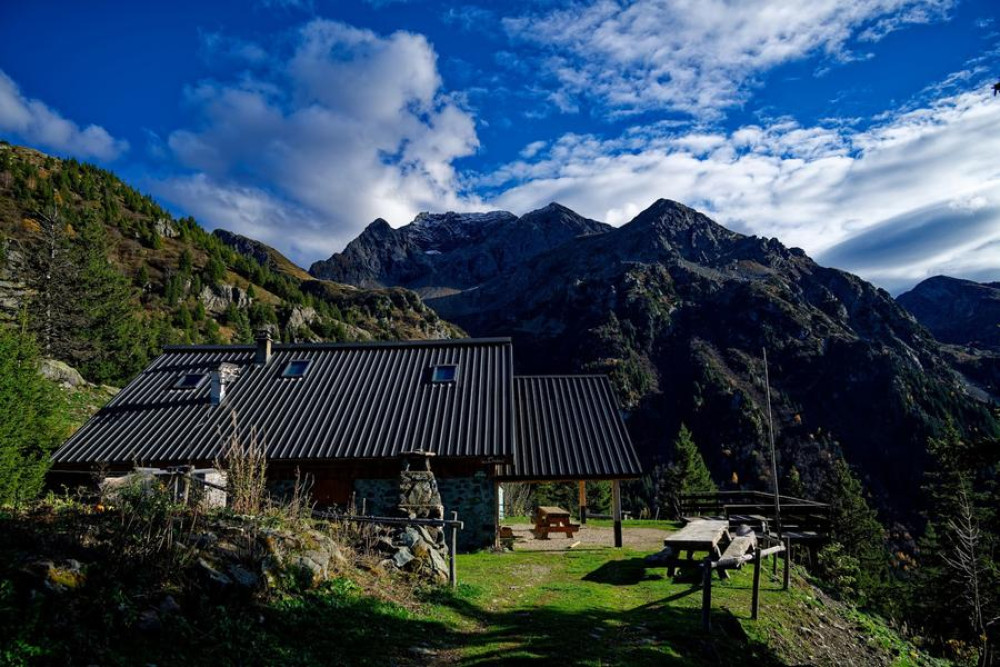
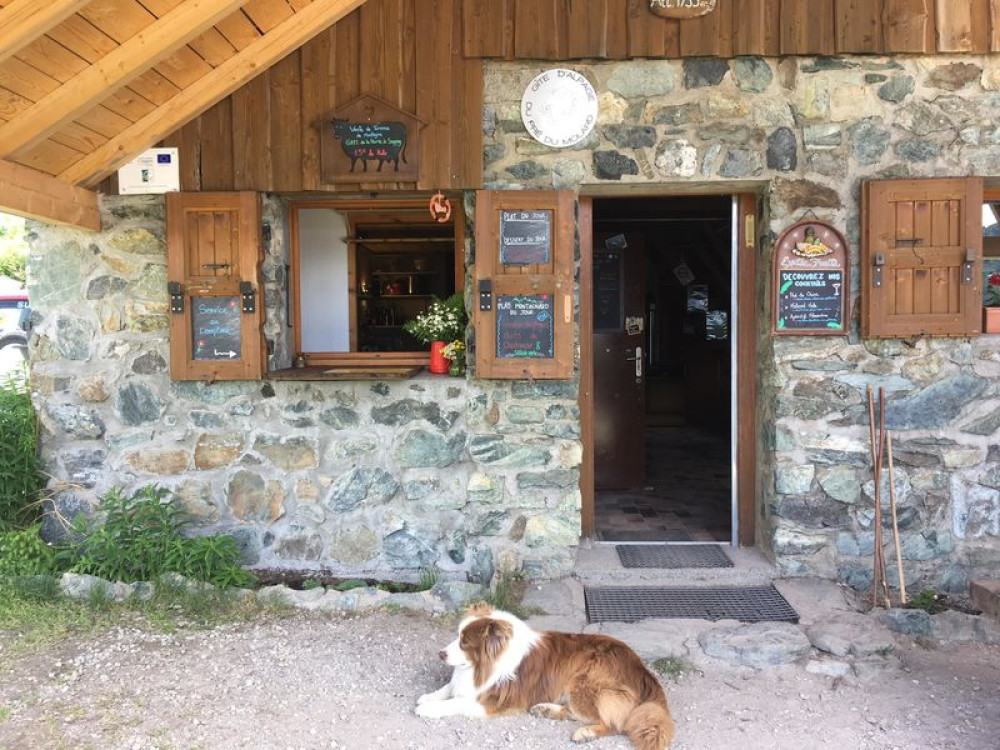
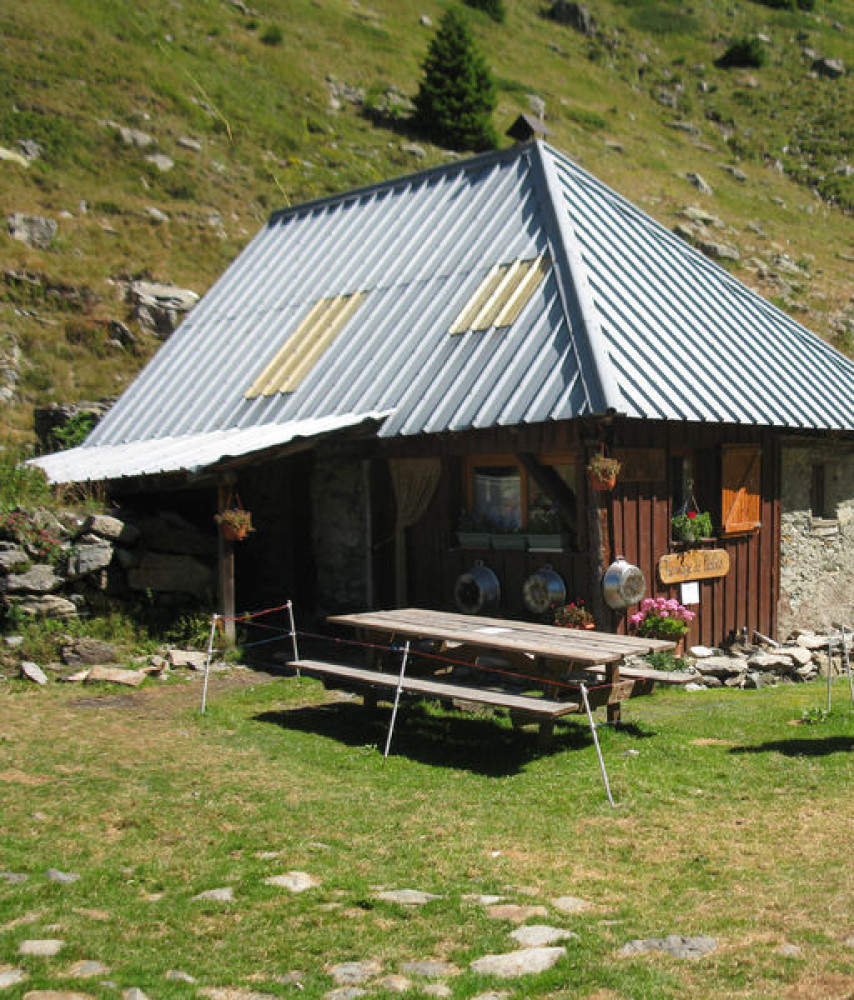
Located high above La Combe-de-Lancey at an altitude of 1,735 metres, Le Pré du Mollard refuge is one of the most unspoilt and little-visited spots in the Belledonne massif.

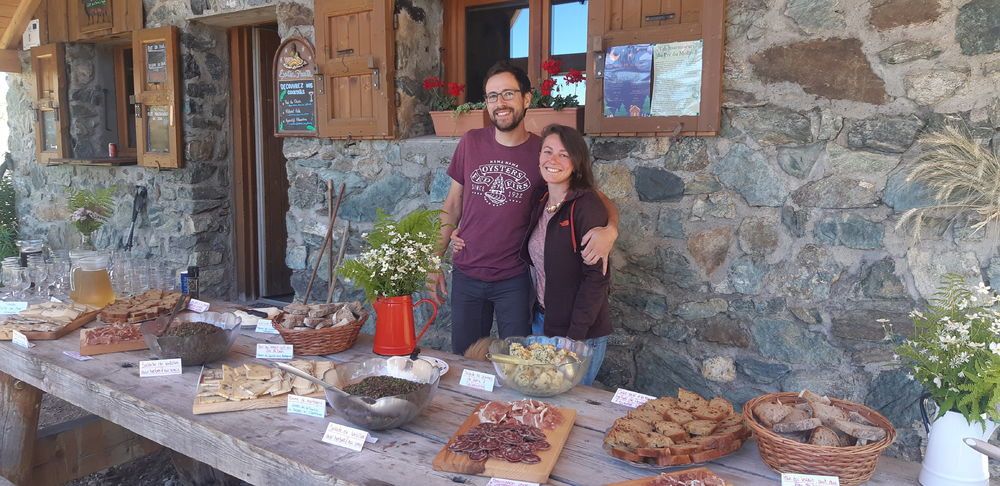
Situated in the heart of the Belledonne massif on the GR 738, the Habert d'Aiguebelle refuge (1,735 m) was completely renovated in 2017 from an old building that was once used as a sheepfold.
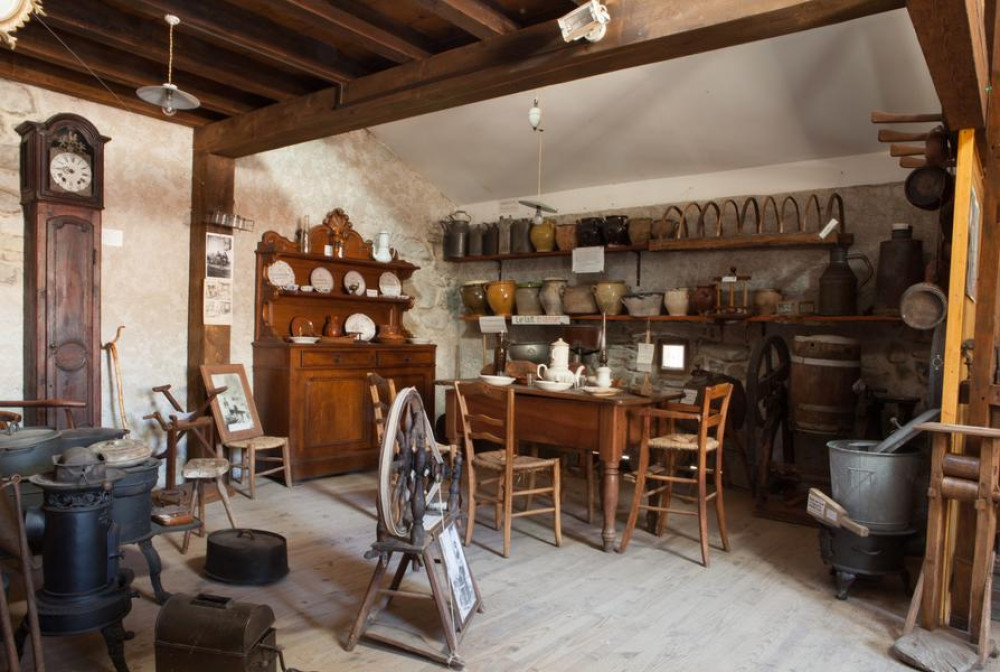
Since 1988, the Combe de Lancey Rural Museum has been housed in the outbuildings of the Château. It boasts a rich collection of objects and tools illustrating life in the hamlets of the Belledonne balconies in bygone days.More than 1300 objects represent 5 themes: former activities such as glove making, clog making, smith working... It also shows how the houses were furnished, what life was like for an farmer in mountain areas.
Come and discover the rich and fascinating History in a guided tour of the Museum.
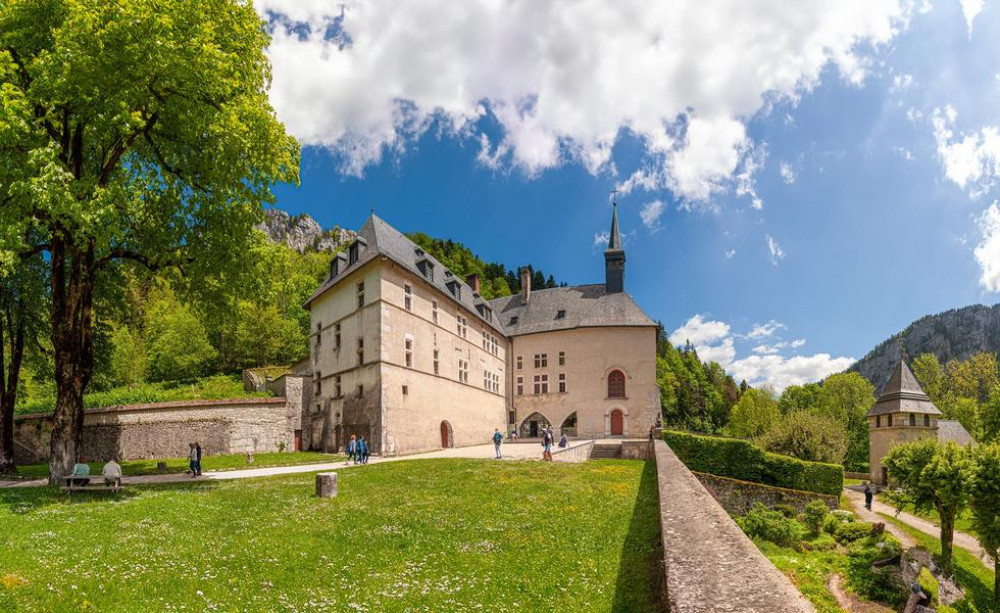
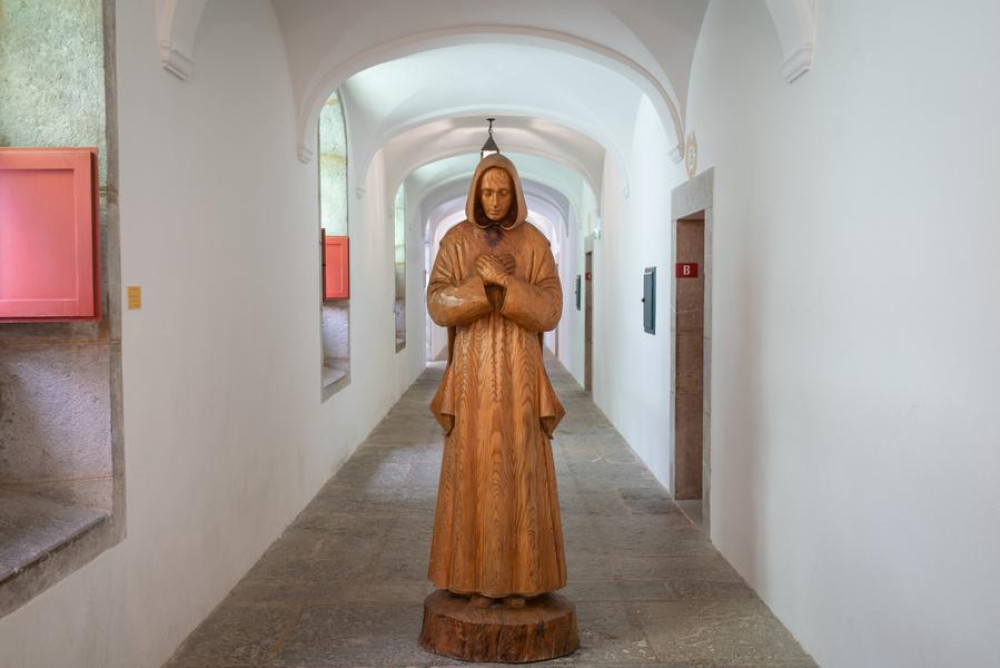
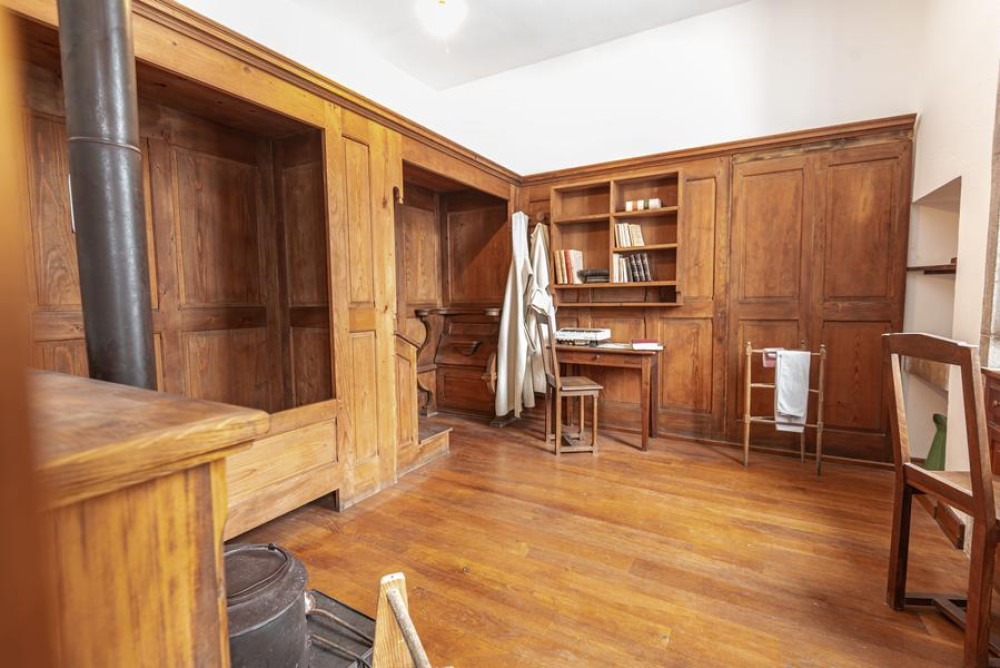
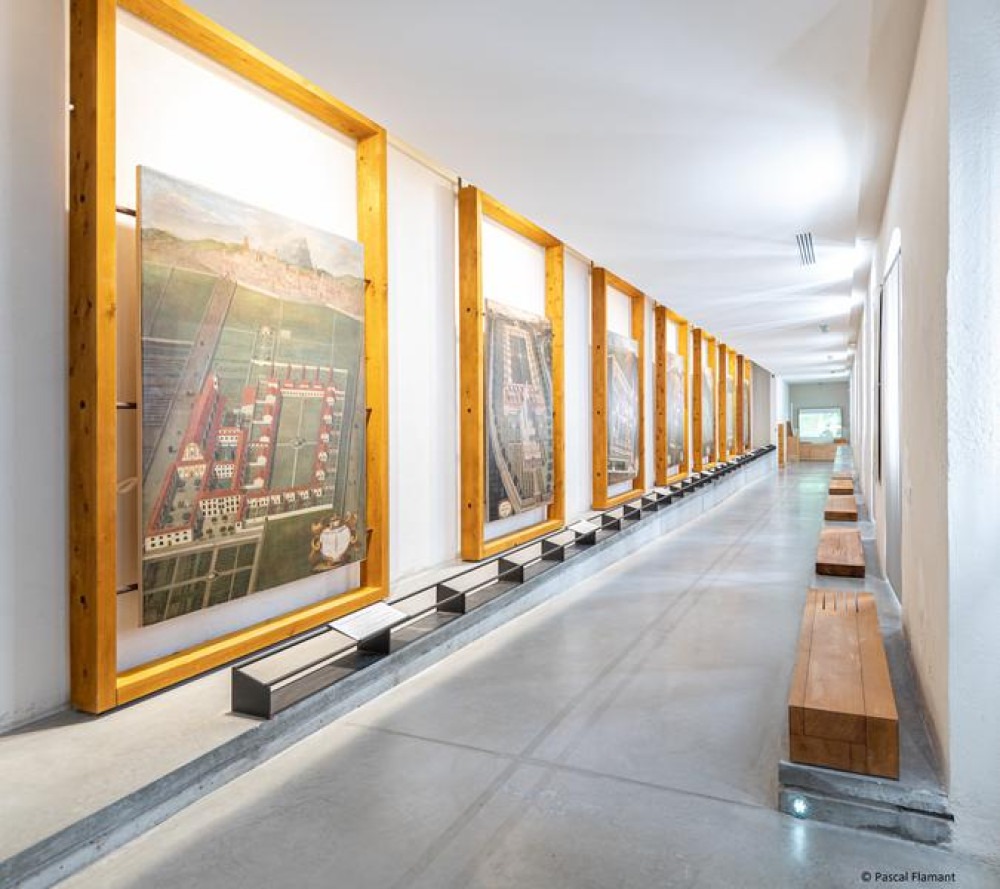
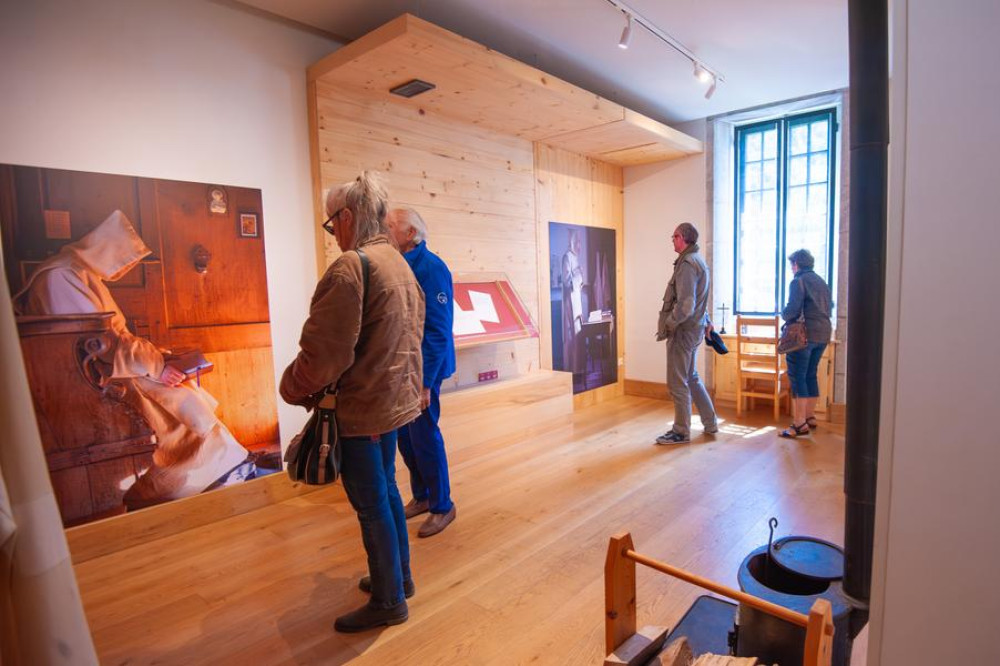
In the heart of the chartreuse mountains, this unique site is just 2 km from the famous monastery founded by Saint Bruno in 1084.cIn the heart of Chartreuse mountains, this unique site is just 2 km from the famous monastery founded by St bruno in 1084. It was an idea of the monks themselves, and allows you to better understand the mystery of the Cartusians Order, its 900 years history, the monks way of life and more. The present museum, located in the ancient annexe of Chartreux Monastery, provides visitors with a wealth of insight into the monks'human and spiritual adventure.
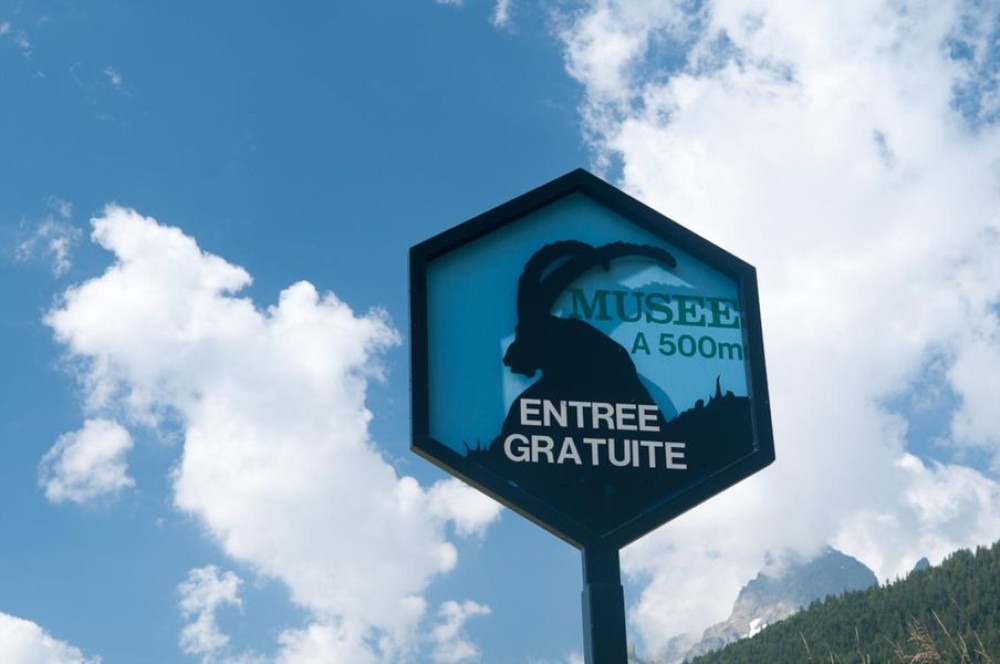
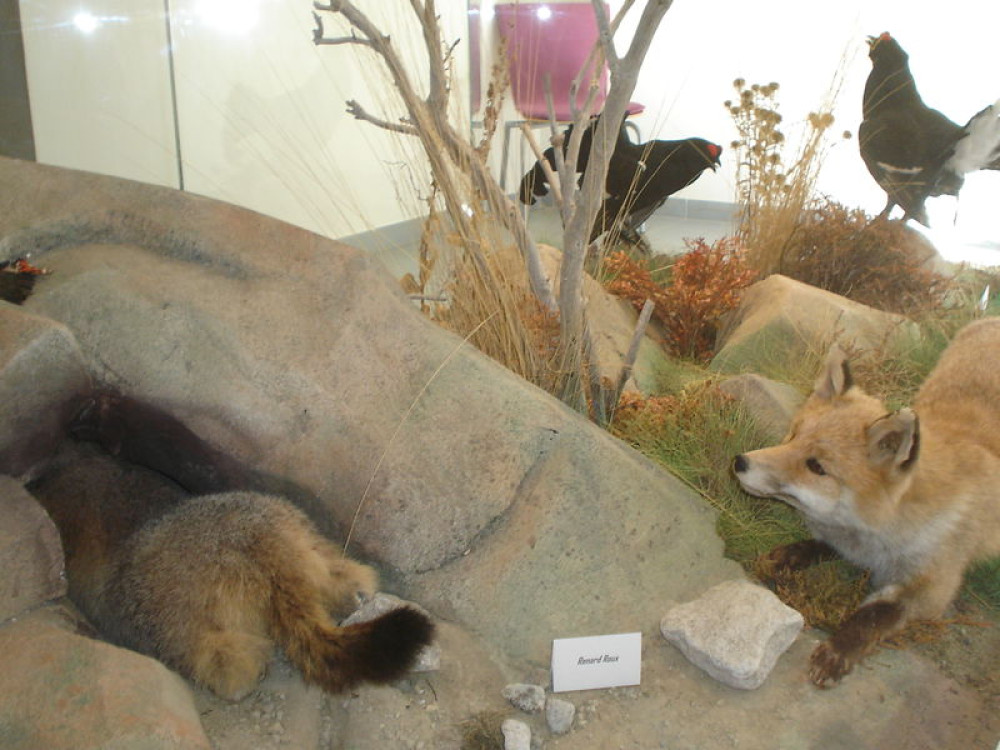
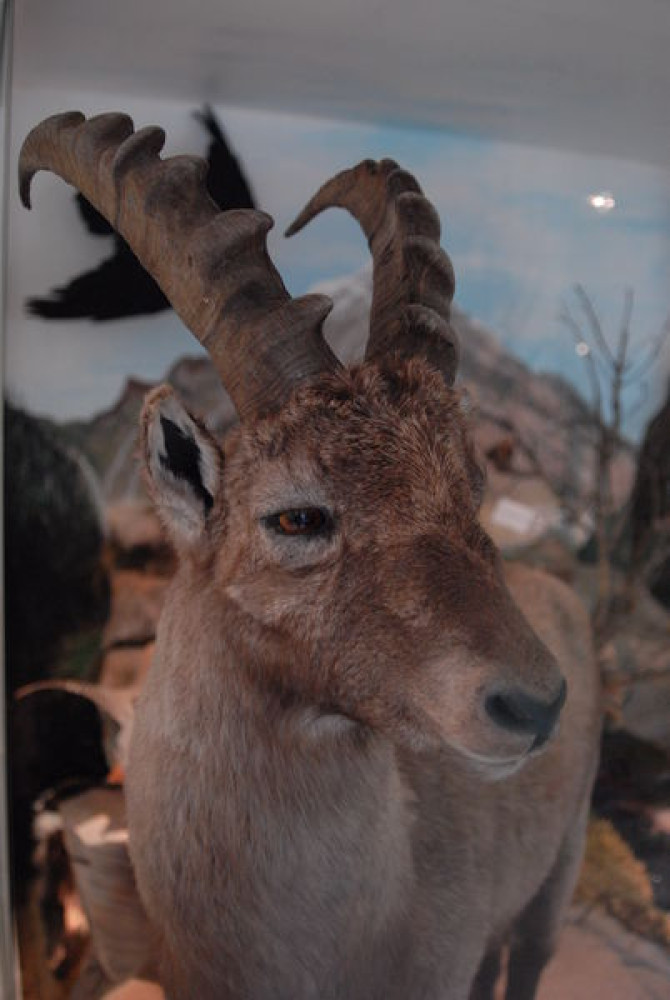
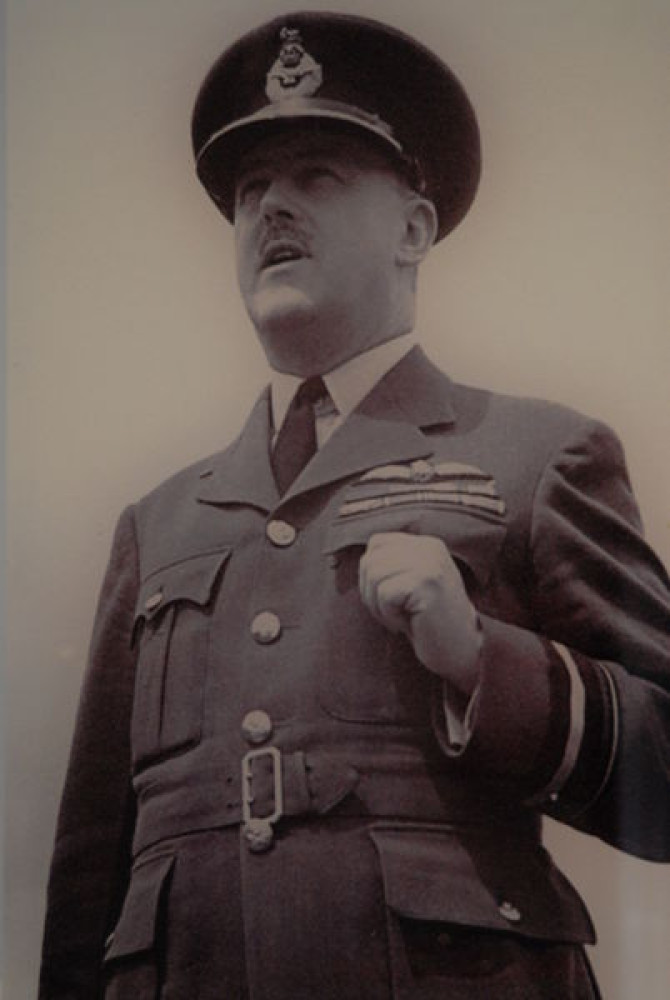
This museum halving spaces, the one dedicated to the ibex and the other one to the story of the crash of Sir Trafford Leigh-Mallory's plane on November 14th, 1944 above the Rivier d' Allemont.Free entranceThis space also recalls the disappearance in November 1944 of the great British air marshal, Sir Trafford Leigh-Mallory, in a mysterious plane crash over the Rivier d'Allemond.
Portrait of the Lord of the Alps: On the verge of extinction at the end of the 19th century, the ibex, an emblematic animal of the Alpine fauna, is now being reintroduced in the various Alpine massifs. Its conservation, morphology, habitat and diet through the seasons, social life, predators and scientific monitoring in the Belledonne massif are all presented through a beautiful scenography, films, games, panels, mountain outings...
Espace York Mallory:The story of the disappearance, in November 1944 in a mysterious plane crash over Rivier d'Allemond, of British Air Chief Marshal Sir Trafford Leigh-Mallory, who commanded the Allied air force during the Normandy landings, is told here.
LABEL :
The museum is a member of the "Route des Savoir-Faire de l'Oisans".
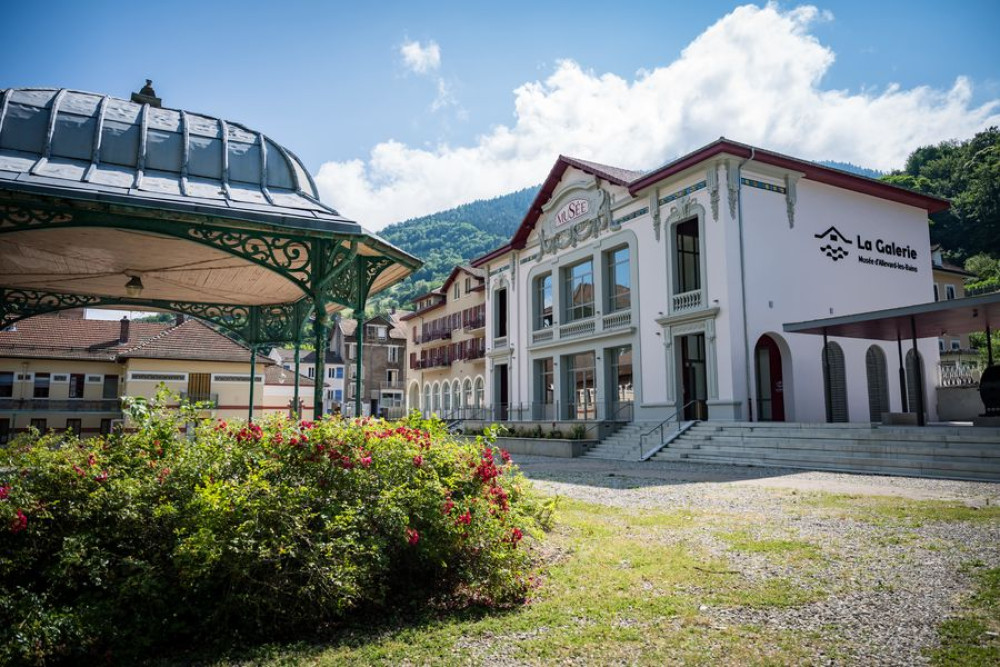
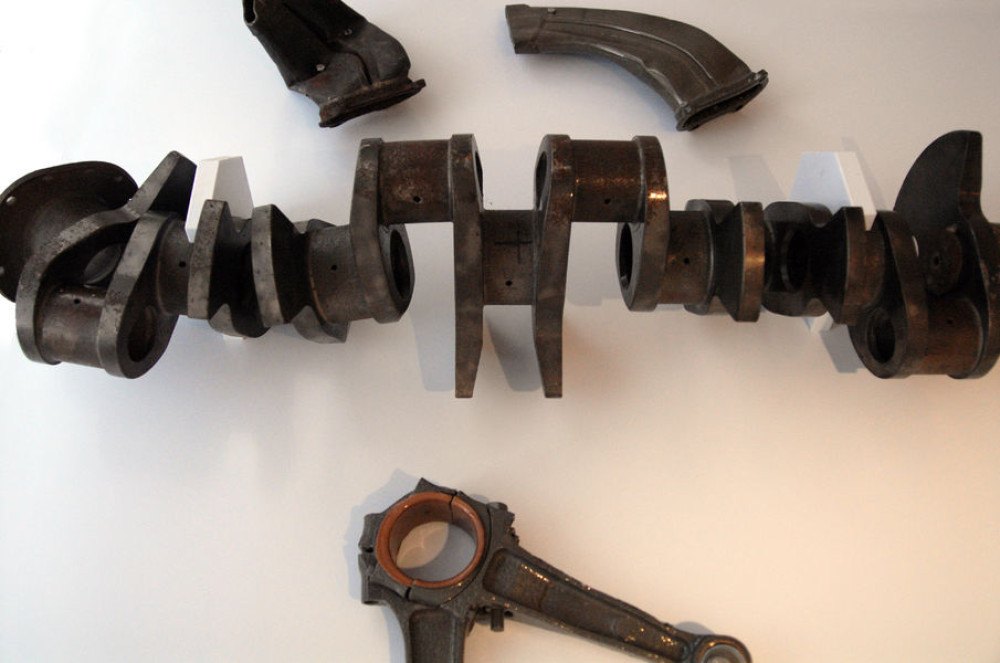
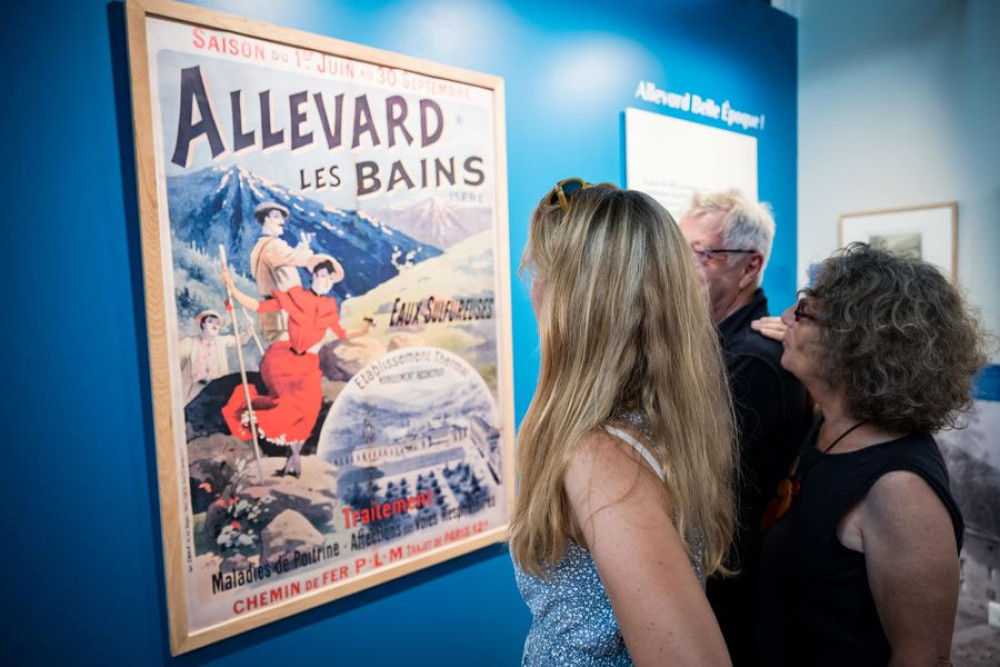
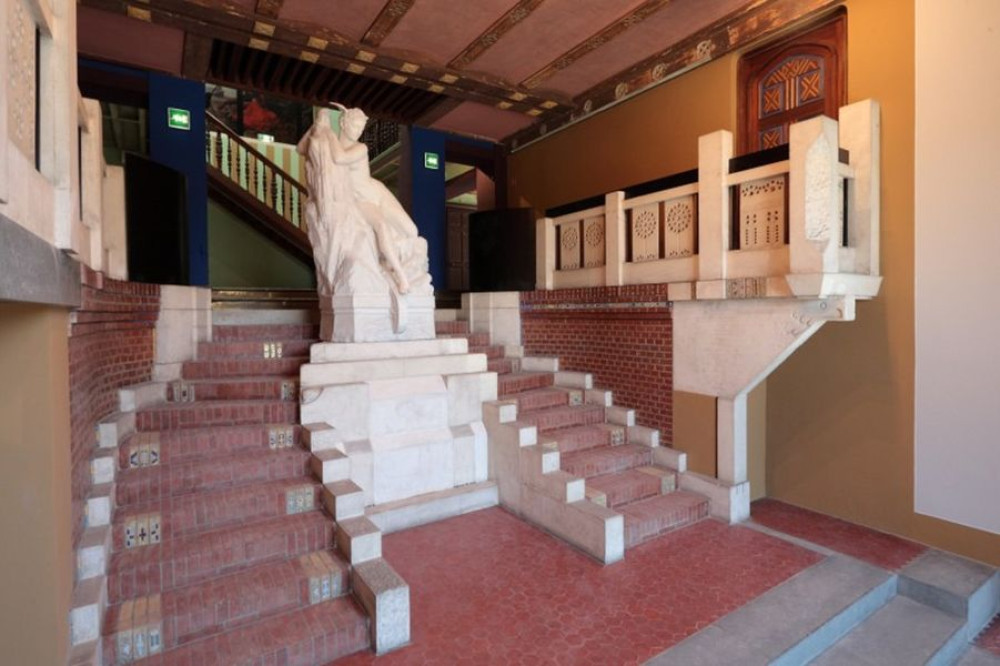
After an extensive renovation, the Musée d'Allevard now welcomes you in its new setting, the former casino of the Parc Thermal d'Allevard. Discover the Allevard region and the major activities that have marked its history.From the metallurgical industry to the spa, via the ski slopes of Collet, you'll discover how its natural resources - iron ore, thermal water and “white gold” - have shaped the Pays d'Allevard over the centuries.
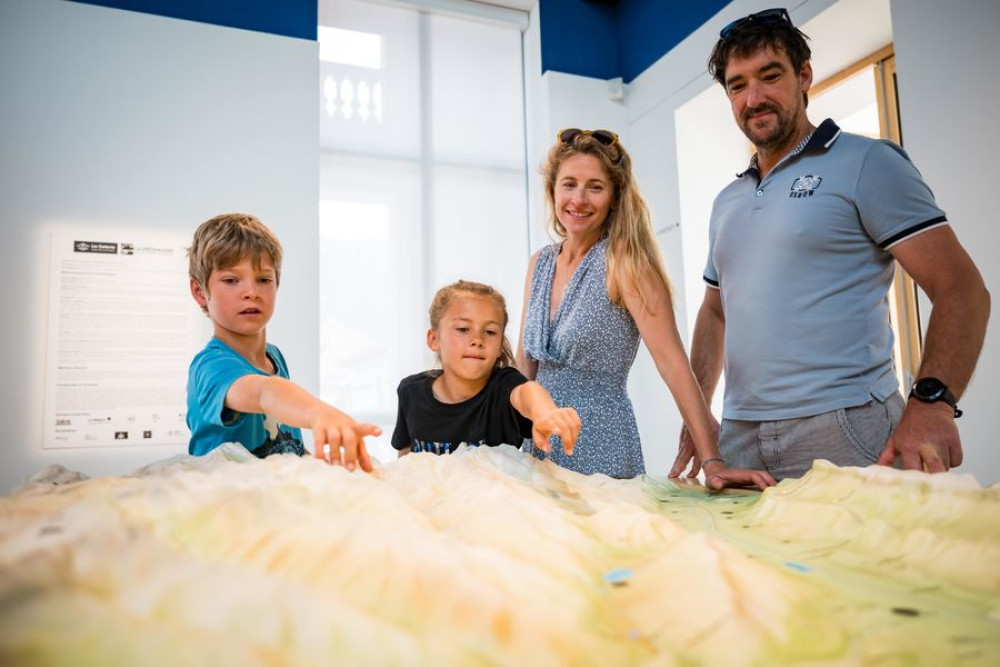
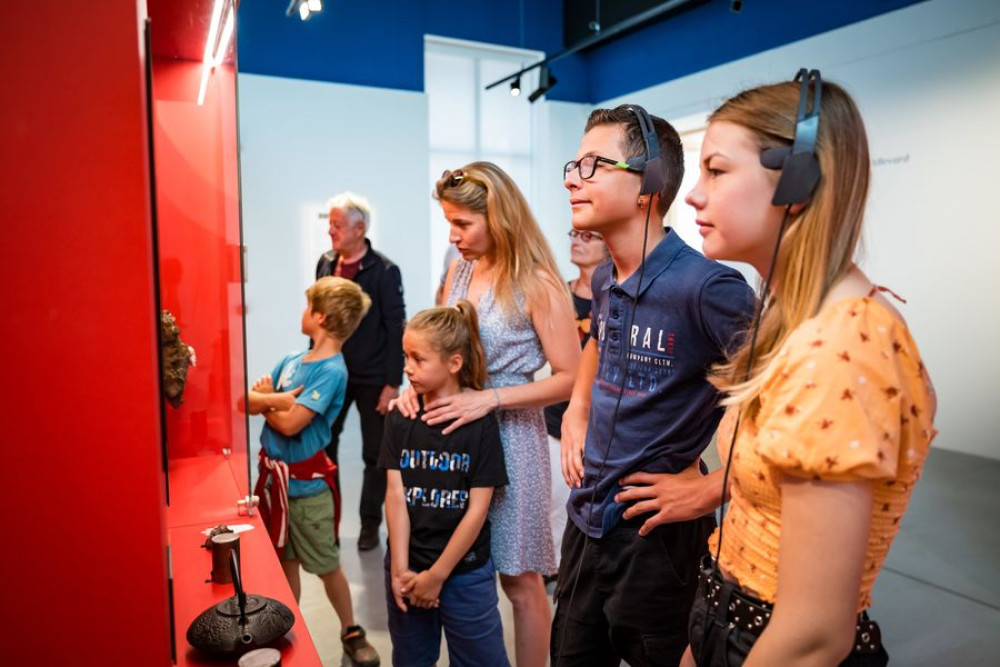
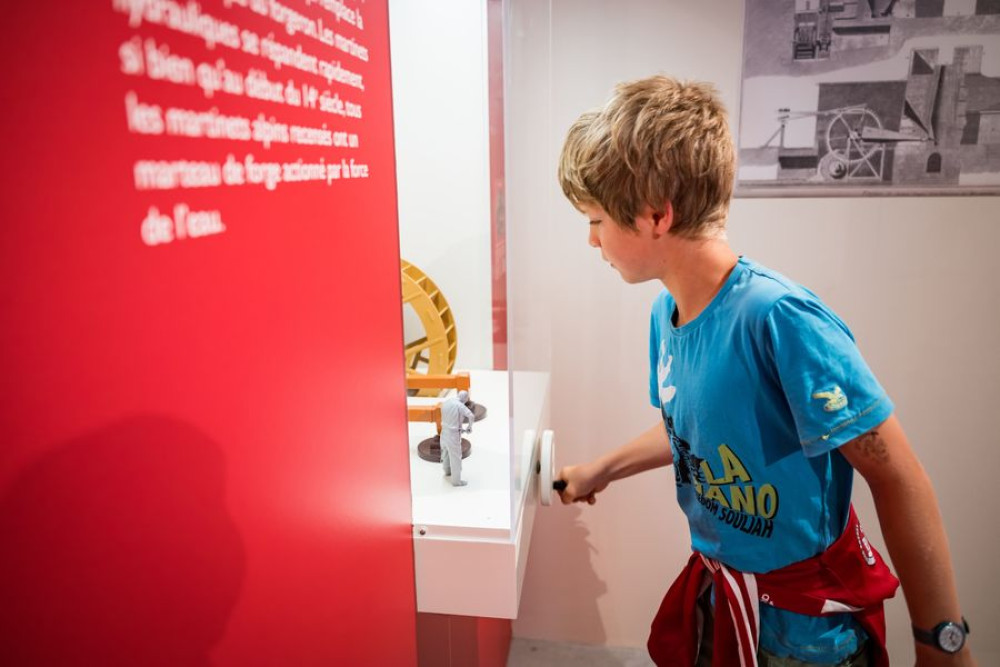
The fun, varied exhibition combines objects, multimedia, games, hands-on activities and models to help you discover and understand the evolution of a mountain region rich in history.
To keep up to date with the Museum's activities, visit the website or follow the Museums du Grésivaudan Facebook page.
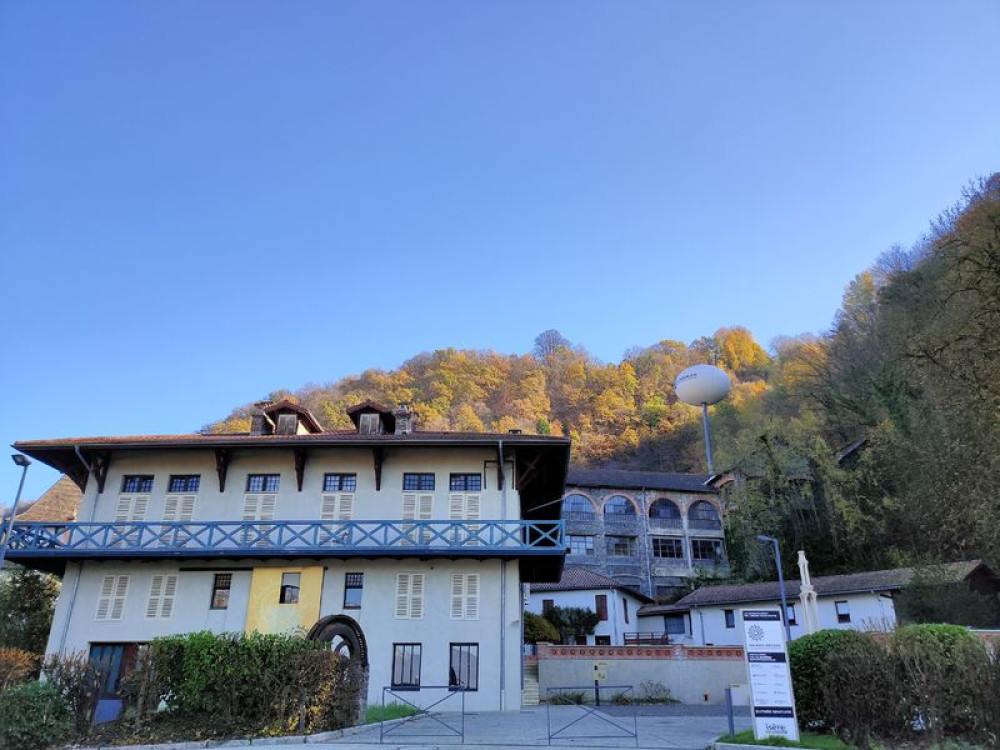
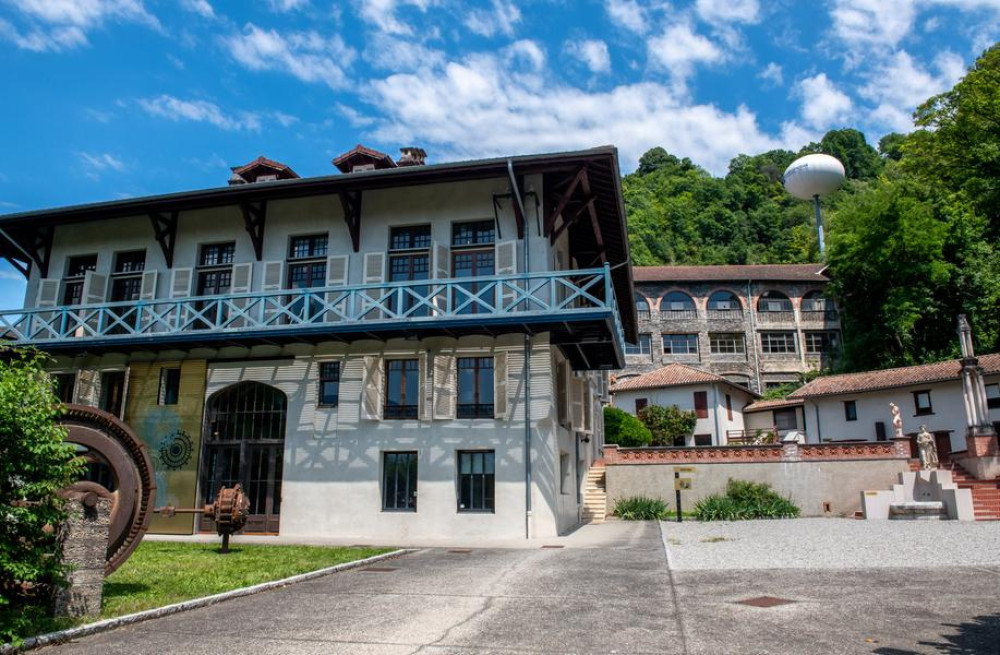
La Maison Bergès [the Bergès family home] - Museum of Hydroelectric Power, standing at the foot of the Belledonne Massif, is an exceptional cultural heritage site which transports visitors back in time to the advent of hydroelectric power.
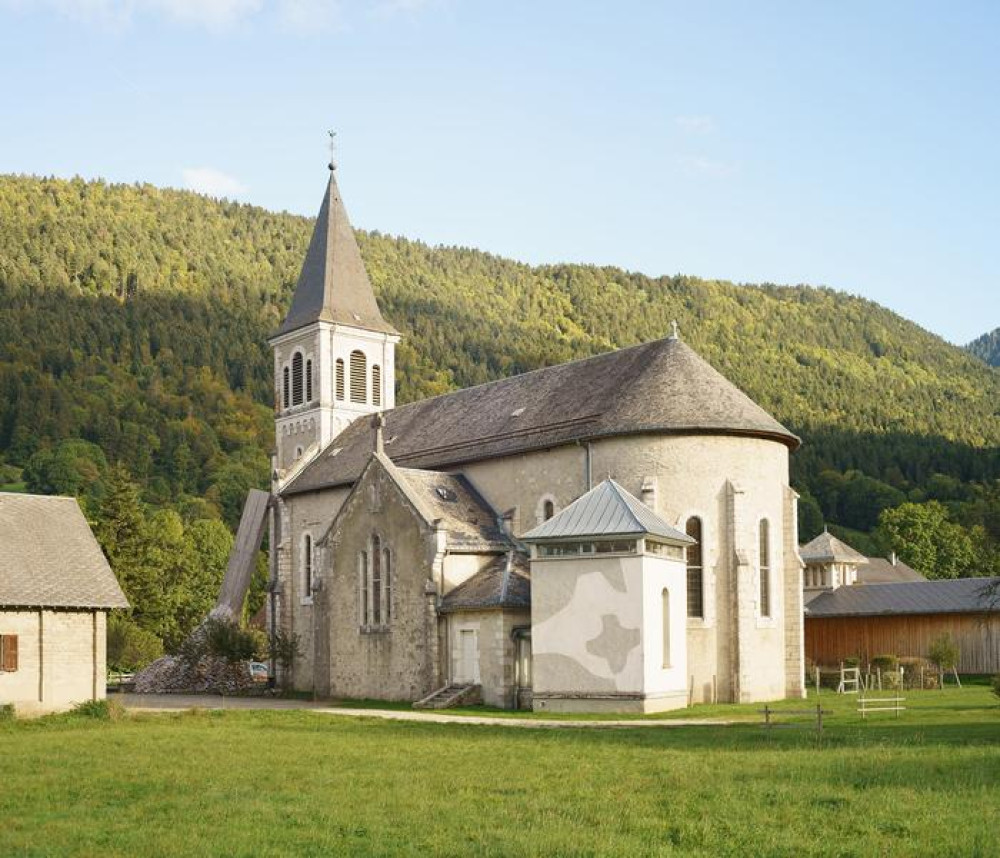
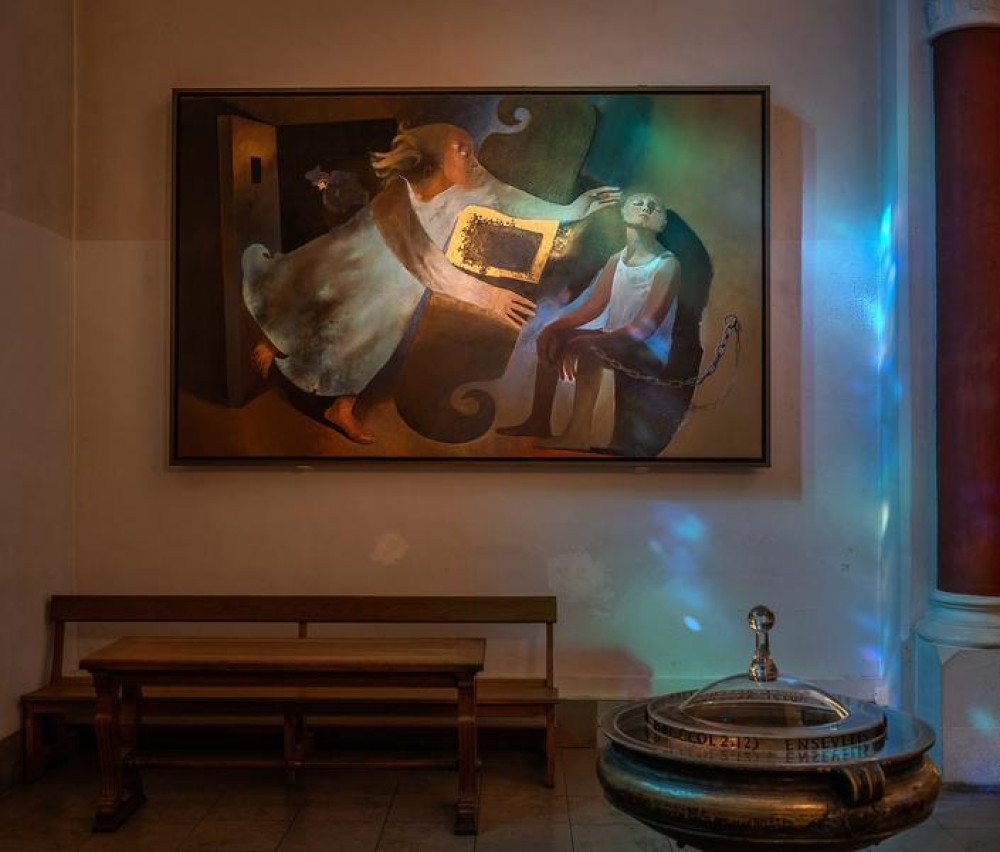
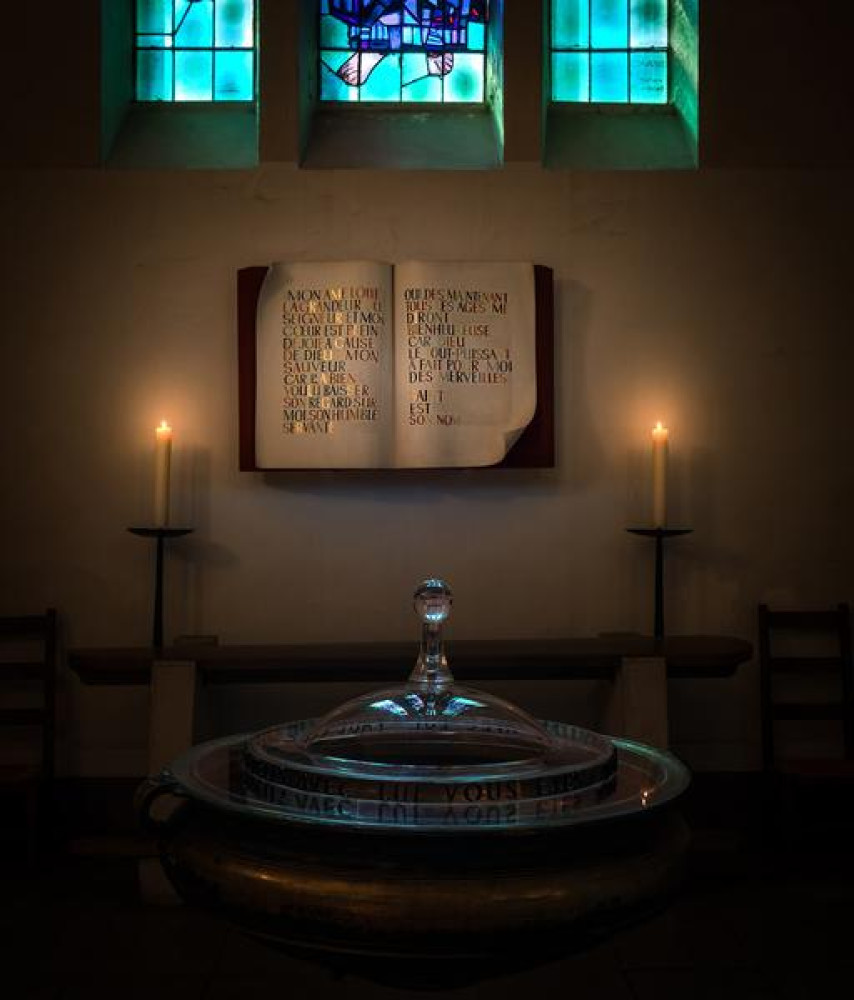
Conceived, designed and created by the artist Arcabas over a period of more than thirty years, this collection of one hundred and eleven paintings, stained glass windows, sculptures and furniture is one of the most accomplished examples of twentieth-century sacred art.Located in an exceptional setting in the heart of the Chartreuse Regional Nature Park, the museum offers visitors a unique experience of encounter with the world of the painter and sculptor Arcabas.
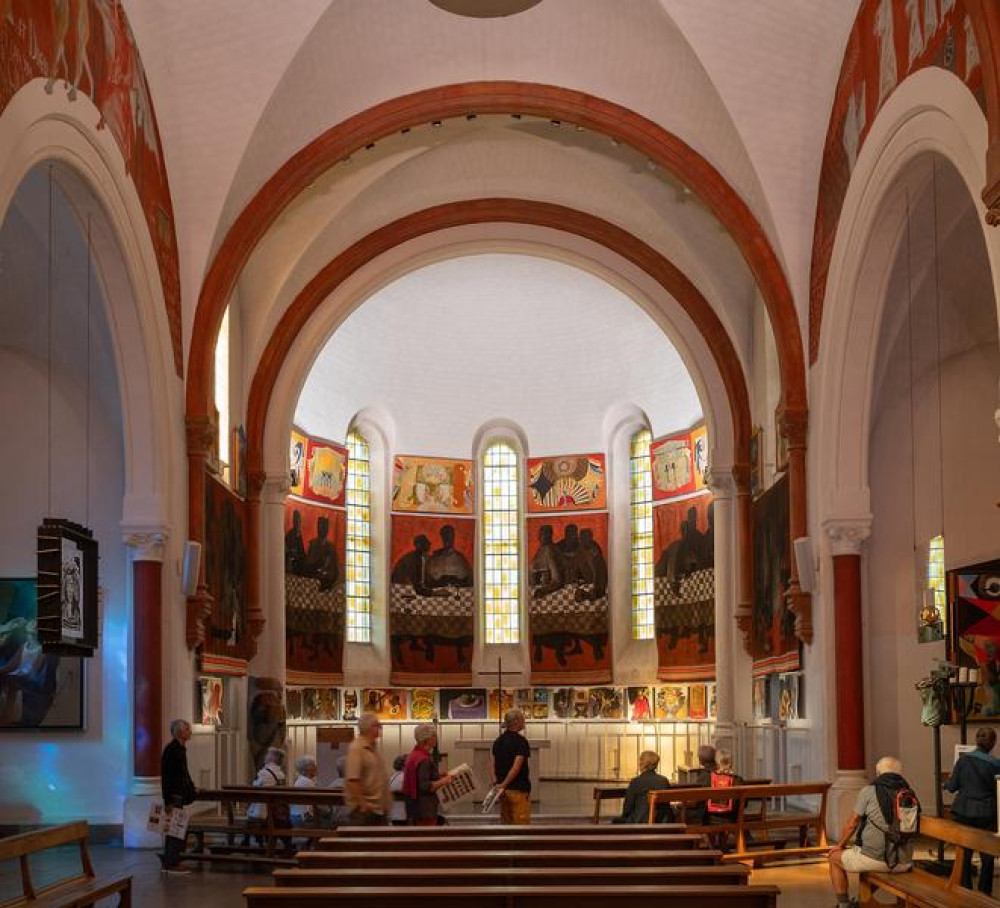
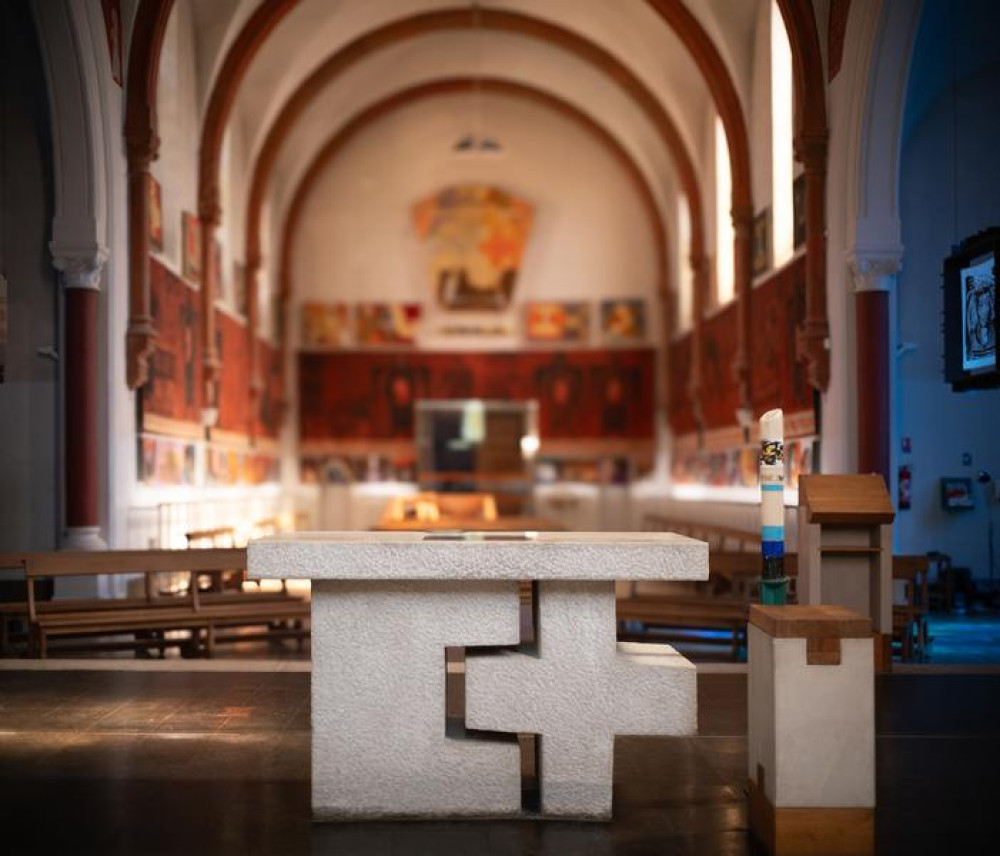
Nowadays, it's rare to see a building whose interior volume is so vigorously possessed by color. Subordinate to the initial volume, but deliberate in the development of its expression, it takes root on the structure of the vault and blossoms in symmetry around the perimeter of the central vessel.
You have to enter this small mountain church, built in 1860, far from the world, to get the shock of this colorful mass, solemnly ordered, becoming a fiery speech, which goes from exordium to narration to end in the conversation of sacred texts. Small in construction, it suddenly becomes large, thanks to a unity of tone that absorbs and includes the entire chromatic scale, and all the diversity of plastic proposals.
Intended, conceived and realized by a single artist, abandoned and then revived over the course of more than thirty years, this unique ensemble ranks as one of the most ardent and accomplished achievements of contemporary sacred art.
After several years spent searching for church walls to paint, where he could express himself and his faith through painting, Arcabas finally came across the modest church of Saint Hugues and its parish priest, Raymond Truffot, in February 1952. The church was undergoing roof and floor repairs. The mayor, confident in his priest, agreed to an artistic intervention inside the church, graciously offered by this unknown painter. It was the beginning of an adventure, but also of a friendship between an artist and a priest, who placed his unwavering trust in the twenty-five-year-old until his death. But little does anyone know that the adventure itself will last thirty-four years.


 Isère Outdoor - Trace - Par les balcons de Belledonne et Chartreuse